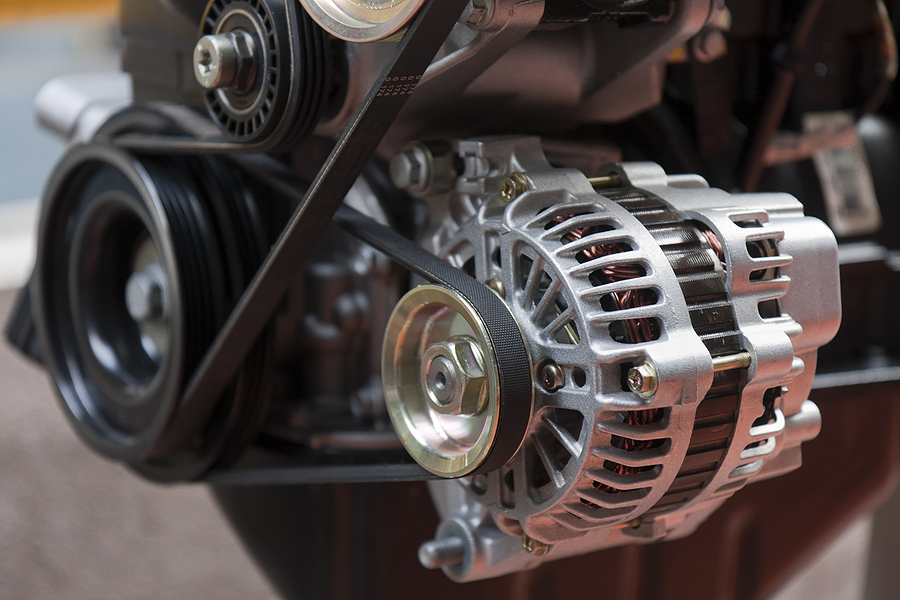
Smart Savings: Your Complete Guide to Used German Auto Parts

Maintaining a German car feels like a badge of honor until you receive that first repair estimate. Whether you drive an Audi, BMW, Volkswagen, or Mercedes-Benz, the sticker shock of genuine parts can make even seasoned car enthusiasts reconsider their loyalty to German engineering.

The good news? You don’t have to choose between quality and affordability. Used auto parts offer a practical solution that can cut your repair costs in half while maintaining the performance and reliability your German vehicle demands. This comprehensive guide will walk you through everything you need to know about sourcing, inspecting, and installing used German car parts.

From understanding different part conditions to finding reputable suppliers, you’ll discover how to make informed decisions that keep your vehicle running smoothly without breaking the bank.
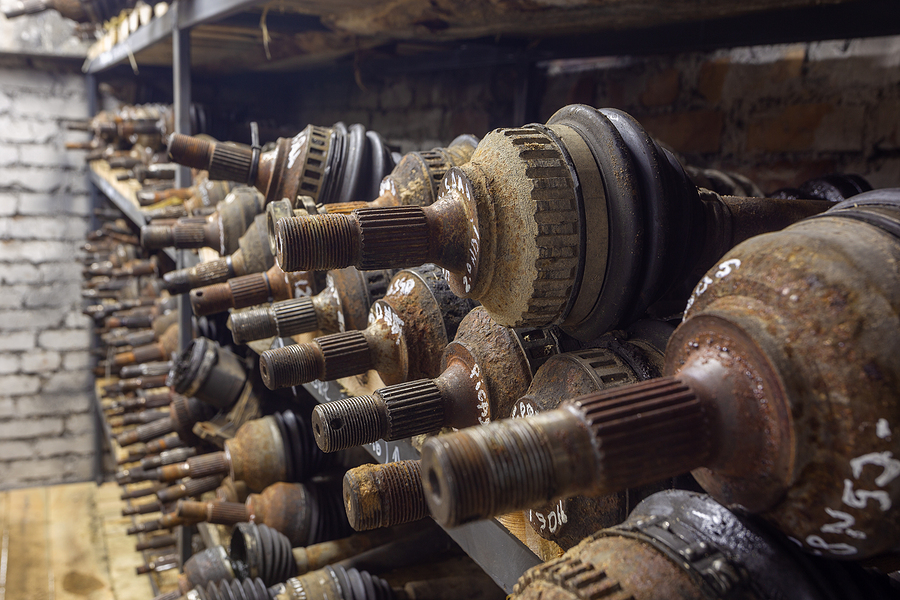
Call 317-571-0800 When You Need Used German Auto Parts in Indianapolis Indiana

Finding Quality Used German Auto Parts

The foundation of a successful used parts purchase lies in choosing the right supplier. Not all used auto parts suppliers are created equal, especially when dealing with the precision engineering of German vehicles.

When searching for used German car parts, prioritize suppliers who specialize in European vehicles. These businesses understand the unique requirements of Audi, BMW, Volkswagen, and Mercedes-Benz models. They typically maintain detailed inventory records, including part numbers, compatibility information, and condition assessments.

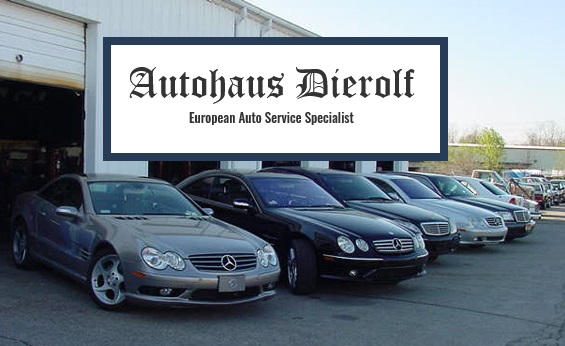
Autohaus Dierolf in Carmel, Indiana exemplifies this specialized approach. As an auto repair shop focusing on German vehicles, we offer below-market-priced used auto parts specifically for German cars. Our expertise ensures you receive parts that meet the exacting standards your vehicle requires.

If outside of the Indianapolis areas, look for suppliers who provide detailed part histories, including mileage information and previous usage. Reputable dealers will also offer some form of warranty or return policy, demonstrating confidence in their inventory quality.

Understanding Used Part Conditions

Used auto parts come in various conditions, each suited to different needs and budgets. Understanding these categories helps you make informed purchasing decisions.

“Like New” parts show minimal wear and tear, functioning almost identically to new components. These parts often come from vehicles involved in minor accidents or those being upgraded with aftermarket components.

“Slightly Used” parts display some signs of use but maintain excellent working condition. They represent an excellent balance between cost savings and reliability for most applications.

“Used – Good Condition” parts show moderate wear but remain fully functional and reliable. These components work well for older vehicles or situations where maximum longevity isn’t the primary concern.

“Used – Fair Condition” parts have noticeable wear and tear but still function adequately. They’re suitable for budget repairs or temporary solutions while you save for higher-quality replacements.

“Reconditioned” parts have been professionally restored to good working condition. These components often provide the best value, combining affordability with renewed reliability.

Cost Comparison: New vs. Used Parts

The financial benefits of choosing used German auto parts become clear when you compare specific examples. Here’s what you can expect to save:

Brake pads for German vehicles typically cost $80 new, while quality used pads average $40—a 50% savings. Side mirrors, essential for safety and often damaged in parking lots, drop from $150 new to $75 used.

More expensive components show even greater savings potential. A headlight assembly that costs $300 new can be found used for $150. Alternators, crucial for your vehicle’s electrical system, cost $400 new but only $200 used.

For major components, the savings become substantial. An ECU (Engine Control Unit) costs $800 new but can be sourced used for $400. Catalytic converters, expensive due to precious metal content, drop from $1,200 new to $600 used.

These savings add up quickly, especially when multiple components need replacement. A comprehensive repair that might cost $2,000 in new parts could be completed for $1,000 using quality used alternatives.

View Our German Auto Parts Inventory!

Your Used Parts Inspection Checklist

Thorough inspection prevents costly mistakes and ensures you receive parts that meet your expectations. Start with a visual examination, looking for obvious damage, excessive wear, or signs of previous repair attempts.

Check all mounting points and connection interfaces. Cracks, stripped threads, or bent mounting tabs indicate potential installation problems or reduced reliability. Pay special attention to electrical connections on components like alternators or ECUs.

For mechanical parts, test all moving components. Bearings should rotate smoothly without binding or excessive play. Springs should compress and extend without resistance or permanent deformation.

Verify part numbers match your vehicle’s specifications exactly. German manufacturers often use multiple part revisions for the same model year, and using the wrong revision can cause compatibility issues.

Request documentation of the part’s history when possible. Mileage information, previous vehicle details, and removal circumstances provide valuable context for assessing remaining useful life.

Installation Guidelines for Used Parts

Proper installation maximizes the lifespan and performance of used auto parts. Some installations require professional expertise, while others can be handled by skilled DIY enthusiasts.

Simple components like brake pads, air filters, or interior trim pieces often allow for straightforward installation. However, complex systems like ECUs, transmission components, or safety-related items typically require professional installation to ensure proper function and maintain vehicle safety.

Professional installation becomes especially important for emissions-related components. Catalytic converters, oxygen sensors, and other emission control parts must be installed correctly to maintain your vehicle’s environmental compliance and avoid costly inspection failures.

When installing used parts yourself, always use new gaskets, seals, and hardware when possible. These inexpensive components ensure proper sealing and prevent leaks that could damage your investment.

Frequently Asked Questions

What are the advantages of buying used auto parts over new ones?

Used auto parts offer significant cost savings, typically 50% less than new parts. They’re also environmentally friendly, reducing waste and the demand for new manufacturing. For older vehicles, used parts may be the only option when new parts are discontinued.

How do I ensure the used part fits my specific German car model?

Always verify part numbers against your vehicle’s specifications. German manufacturers use precise part numbering systems, and even minor variations can affect compatibility. Consult your vehicle’s service manual or a knowledgeable parts specialist.

What should I do if the used auto part fails shortly after installation?

Contact your supplier immediately to discuss warranty options. Reputable suppliers typically offer return policies or warranties on used parts. Keep all documentation and receipts for warranty claims.

Are used OEM parts as reliable as new aftermarket parts?

Used OEM parts often provide better fit and function than new aftermarket alternatives. German manufacturers design OEM parts specifically for their vehicles, ensuring optimal performance and longevity when properly maintained.

Where can I find a reliable supplier of used German auto parts?

Look for suppliers specializing in European vehicles with established reputations. Local shops like Autohaus Dierolf often provide personalized service and expertise specific to German vehicles.

What is the typical warranty period for used auto parts?

Warranty periods vary by supplier and part type, typically ranging from 30 days to one year. More expensive components often carry longer warranties, while wear items may have shorter coverage periods.

Can using used parts affect my car’s performance or safety?

Quality used parts should not negatively impact performance or safety when properly selected and installed. However, safety-critical components should be inspected thoroughly and installed by qualified professionals.

How does buying used parts contribute to environmental sustainability?

Used parts reduce manufacturing demand, conserve raw materials, and prevent functional components from entering landfills. This circular economy approach significantly reduces the environmental impact of vehicle maintenance.

Conclusion

Choosing used auto parts for your German car represents more than just cost savings—it’s an investment in smart ownership. The substantial financial benefits, combined with environmental responsibility, make used parts an attractive option for maintaining your Audi, BMW, Volkswagen, or Mercedes-Benz.

Success depends on careful supplier selection, thorough inspection, and proper installation. By following these guidelines and working with knowledgeable specialists, you can enjoy the performance and reliability your German vehicle was designed to deliver without the premium price tag.

Remember that quality used parts often outperform cheap aftermarket alternatives while costing significantly less than new OEM components. Your German car deserves parts that match its engineering excellence, and quality used options provide exactly that opportunity.

Ready to start saving on your next German car repair? Contact Autohaus Dierolf today to explore our inventory of quality used German auto parts and discover how much you can save while maintaining your vehicle’s performance and reliability.

Ask About Your Part Right Now

Related Post: How To Choose the Right Parts When Repairing Your German Car
How to Find Trusted German Car Repair in Indianapolis

German cars are renowned for their precision engineering, stylish design, and unmatched performance. Whether you drive a BMW, Mercedes-Benz, Audi, or Volkswagen, it’s important to give your car the specialized care it deserves. But finding a trusted German car repair shop can feel overwhelming, especially when your vehicle’s performance and safety are at stake. 

This guide will walk you through everything you need to know about finding a reliable German car mechanic in Indianapolis. From understanding what makes German cars unique to evaluating local shops, we’ve got you covered. 

Carmel Indianapolis European Auto Repair
Carmel Indianapolis European Auto Repair 317-571-0800

Why Do German Cars Require Specialized Repairs? 

German cars are not like their American or Japanese counterparts. They are known for cutting-edge technology, high-performance engines, and advanced design. But these features also mean they require a deeper level of expertise when it comes to repair and maintenance. 

Here’s why specialized knowledge is essential for German car repair: 

  • Unique Engineering: German vehicles often use sophisticated technologies like turbocharged engines, dual-clutch transmissions, and advanced braking systems. 
  • Precision Manufacturing: These cars are built to exacting standards, which means repairing them requires precise attention to detail. 
  • Technology-Driven Diagnostics: Modern German cars rely heavily on electrical systems and onboard computers that demand specialized diagnostic tools. 

Without a trusted German car repair shop such as Autohaus Dierolf in Carmel, IN, you risk improper repairs that could lead to performance issues or damage. 

Steps to Find a Reputable German Car Mechanic 

1. Research Local Mechanics 

Start by searching for “German car repair near me” or “European automotive repair shop in Indianapolis” on Google. Focus on mechanics or shops that explicitly specialize in German vehicles. Look for services like brake repairs, oil changes, electrical diagnostics, or even transmission work for German cars. 

Quick Tip: A well-designed website can be a good indicator of a professional and organized shop. Look for information on their expertise with German cars, the tools they use, and testimonials from local customers. 

2. Check Credentials and Certifications 

Not all mechanics are created equal. Ensure that the mechanic or repair shop holds certifications such as ASE (Automotive Service Excellence) or manufacturer-specific credentials for brands like BMW or Audi. 

Why This Matters: Certified mechanics are trained to handle the intricacies of German car maintenance and repairs, ensuring your vehicle is in capable hands. 

3. Read Online Reviews and Testimonials 

Customer feedback is one of the most reliable ways to gauge the quality of a repair shop. Check platforms like Google Reviews, Yelp, or even the Better Business Bureau for insights into other customers’ experiences. 

What to Look For: 

  • Frequent praise for professionalism and expertise in German car repair. 
  • Positive mentions about transparency in pricing and diagnostics. 
  • Feedback highlighting successful complex repairs like engine overhauls or electrical diagnostics. 

4. Ask for Recommendations 

Do you know someone else who owns a German car? Word-of-mouth referrals from fellow German car enthusiasts in Indianapolis can be incredibly valuable. Their firsthand experiences can help you identify trustworthy shops, like Autohaus Dierolf, that might not appear on your initial search. 

5. Evaluate Shop Equipment and Technology 

German cars depend on advanced diagnostic systems that require state-of-the-art equipment. Ensure the repair shop is equipped with specialized tools like OBD scanners and OEM-certified parts. 

Pro Tip: A modern repair shop with up-to-date technology is far more capable of accurately diagnosing and fixing issues in German cars compared to a general auto mechanic. 

6. Get a Detailed Estimate 

Before committing to any repairs, request a detailed cost estimate. The shop should be transparent about labor, parts, and potential additional costs. 

What to Ask For: 

  • Are they using genuine parts or aftermarket alternatives? 
  • Can they explain each cost item in detail? 
  • How long will the repair take? 

This ensures you avoid unexpected costs and understand what you’re paying for. 

Book German Car Repair Service Today

Why Trusting the Right Mechanic is Worth It 

A trusted German car mechanic isn’t just someone who fixes your vehicle when it’s not running well. They’re a partner in maintaining your car’s performance for years to come. At the right shop, you’ll find mechanics who understand the nuances of brands like Mercedes-Benz, Audi, BMW, and Volkswagen and are fully prepared to bring out the best in your vehicle. 

FAQs About German Car Repair in Indianapolis 

What makes German car repair different from other car repairs? 

German cars feature advanced engineering, unique designs, and sophisticated electrical systems, making them more complex to repair. Specialized expertise and tools are required to address these complexities effectively. 

How can I find a trustworthy German car mechanic in Indianapolis? 

Start with online searches for reputable European automotive repair shops, read customer reviews, check credentials, and ask other German car owners for recommendations. 

What certifications should a German car mechanic have? 

Look for certifications such as ASE (Automotive Service Excellence) or brand-specific accreditations for manufacturers like BMW, Audi, or Mercedes-Benz. 

Why is regular maintenance important for German cars? 

German cars are designed for performance and longevity, but skipping regular maintenance like oil changes, brake checks, or electrical diagnostics can lead to costly repairs down the road. 

What should I expect in a cost estimate for German car repairs? 

A detailed estimate should include labor, parts (and whether they’re genuine OEM or aftermarket), additional services, and projected timelines. Transparency is key! 

Take the Next Step for Reliable German Car Repair 

Don’t leave your German car’s performance to chance. Finding the right mechanic is the first step to ensuring your car runs smoothly and safely for years to come. Whether it’s a routine oil change or complex engine work, partnering with an experienced German car mechanic will save you time, money, and headaches. 

If you’re in Indianapolis, IN, and need trusted experts, contact Autohaus Dierolf to schedule an appointment with our certified professionals.  We are German-trained mechanics who specialize in European make and model vehicles.

Book Your Service Now!

Related Post: German Car Maintenance Guide: Recommended Schedule for Longevity

German Car Maintenance Guide: Recommended Schedule for Longevity 

German cars are renowned for their engineering excellence, exceptional performance, and luxurious features. Whether you own an Audi, BMW, Volkswagen, or Mercedes Benz, these vehicles are designed with precision. However, this sophistication demands a dedicated vehicle maintenance routine to keep them in peak condition and avoid costly repairs. 

Neglecting factory-scheduled maintenance can lead to common issues such as oil leaks, electrical problems, or suspension wear that German car owners often face. This comprehensive guide is here to help! We’ll provide you with actionable recommendations for engine care, fluid checks, brake system upkeep, tire care, and more. 

Keep reading to discover the meticulous maintenance schedule your German car deserves, ensuring a smooth and reliable drive for years to come. 

Call 317-571-0800 When You Need German Car Maintenance in Indianapolis Indiana

Your German Car Maintenance Schedule

Engine Maintenance

Oil Changes 

Oil changes are essential for any vehicle, but for German cars, clean oil is critical to maintaining engine health and performance. The recommended interval for oil changes varies by model and oil type, but typically it’s every 5,000–7,500 miles or every 6-12 months.

For newer BMWs and Audis, synthetic oil is a must to reduce wear and optimize engine performance. Regular oil changes help prevent common issues such as sludge buildup and overheating. 

Spark Plug Replacement 

Faulty spark plugs can reduce fuel efficiency and impact engine performance. For German vehicles, spark plug replacement is typically needed every 30,000–60,000 miles. Ignoring this could lead to misfires or acceleration issues, especially in performance models like BMW M-Series or Audi S-Line variants. 

Timing Belt 

The timing belt is a critical component that synchronizes your engine’s operations. For German cars such as Volkswagens and Audis, it is recommended to replace this every 60,000–100,000 miles. A worn or damaged timing belt can lead to engine failure, which is a costly and avoidable repair. 

Regular Fluid Checks

Fluids act as the lifeblood of your car, ensuring everything runs smoothly. Neglecting them can lead to overheating, poor handling, or even brake failure. 

Monthly Fluid Checks 

Inspect your car’s fluids monthly or as frequently as possible. Pay particular attention to the following fluids:

  • Brake Fluid 
  • Power Steering Fluid 
  • Transmission Fluid 
  • Coolant (Antifreeze)
  • Windshield Wiper Fluid

Fluid Replacement Intervals 

Replace fluids every 2-3 years or as specified in the factory-recommended schedule. For example, Mercedes-Benz models often include these recommendations in their maintenance intervals. 

Brake System Care for Safety 

One of the standout features of German cars is their high-performance braking systems. To keep them functioning reliably, follow these guidelines for maintenance: 

  • Brake Pads: Inspect every 6 months and replace them when their thickness drops below the safe limit. 
  • Brake Rotors: Check during every pad replacement to ensure no warping or excessive wear. 
  • Brake Lines: Inspect for leaks or cracks annually to avoid sudden failures. 

Frequent city driving or spirited highway driving (typical among performance models) can accelerate brake wear, so be diligent about your inspections! 

Schedule German Car Maintenance Now

Tire Maintenance

Proper tire care doesn’t just enhance your German car’s performance; it also safeguards your safety and fuel efficiency. 

Tire Rotation 

Rotating your tires every 5,000–8,000 miles ensures even wear. Uneven tire wear can affect handling in models like the Audi A4 or BMW 3-Series, which are equipped with advanced suspension systems. 

Alignment and Pressure 

Keep your tire alignment in check annually and monitor tire pressure weekly. Incorrect alignment or air pressure can affect the precision handling German cars are known for. 

Choosing the Right Tires 

Consider high-performance or all-season tires specific to your car model and driving conditions. Tires for Mercedes-Benz SUVs like the GLE or Volkswagen Touareg may differ significantly from those suited for a sporty BMW M4. 

Common Maintenance Issues in German Cars (and How to Avoid Them) 

Even with regular upkeep, German cars may encounter specific challenges. Understanding these issues helps you take proactive measures to prevent them. 

Oil Leaks 

Older German models often experience oil leaks due to gasket wear. Regular oil changes and timely gasket inspections can mitigate these issues. 

Electrical Problems 

The advanced electrical systems in German cars, including sensor-based technology, can be prone to malfunctions. Periodic diagnostics by a certified service center will help identify and resolve these issues early. 

Cooling System Failures 

German cars like Volkswagens and BMWs are known to experience water pump or radiator failures, leading to overheating. Adhering to scheduled coolant changes reduces the risk of these failures. 

Suspension Issues 

Luxury models like Mercedes-Benz and BMW rely on sophisticated suspension for excellent ride quality. However, worn suspension components can diminish comfort and handling. Routine inspections preserve ride quality and minimize costly repairs. 

Brake Wear 

High-performance braking systems may require frequent attention, particularly for performance cars. Following a strict brake pad and rotor inspection schedule will keep you ahead of wear and tear. 

Conclusion

Preventative maintenance is not just about keeping your German car functional; it’s how you maintain its luxury, performance, and value over time. By following the recommended maintenance intervals detailed above, you ensure a smoother and more reliable ownership experience. 

Need help keeping your German car running like new in Indianapolis?  Schedule your maintenance appointment today with Autohaus Dierolf, and experience unparalleled care for your vehicle. From diagnosing complex issues to offering expert solutions, we provide tailored care for Audi, BMW, Volkswagen, Mercedes, and more. 

Book Your Appointment Now!

Related Post: How to Make Your German Car Last Longer: Expert Tips and Tricks

Luxury Assurance: The Importance of Prepurchase Inspections for German Vehicles

Investing in a German luxury car is more than just buying transportation—it’s an acquisition of elegance, performance, and precision engineering. Renowned brands like Mercedes-Benz, BMW, Audi, and Porsche have cemented Germany’s place at the pinnacle of automotive excellence.

However, with premium features and cutting-edge design comes higher stakes for buyers. Whether you’re exploring the thrill of a Porsche 911 or the comfort of a Mercedes S-Class, one crucial step can ensure your purchase delivers everything it promises—a prepurchase inspection.

If you’re considering buying a German car, this guide explains why prepurchase inspections are essential, outlines their unique aspects for luxury vehicles, and provides actionable steps to protect your investment.

Call 317-571-0800 For German Car Prepurchase Inspections in Carmel Indiana

What Is a Prepurchase Inspection (PPI)?

A prepurchase inspection is a detailed evaluation of a vehicle conducted by a professional mechanic or inspection service before buying it. For luxury vehicles like German cars, a PPI serves as a vital safeguard, identifying hidden issues that may not be visible to the untrained eye. This ensures the car you’re eyeing meets its reputation for performance and reliability.

German cars are celebrated for their precision engineering, but that precision requires regular maintenance and expert handling. A thorough inspection can reveal underlying issues often associated with high-end vehicles, such as advanced electronics malfunctions or wear in complex mechanical systems.

Why Is a PPI Crucial for Luxury Vehicles?

German luxury cars have advanced features and intricate craftsmanship that set them apart from standard vehicles. However, these attributes also mean that undetected problems, such as a faulty electronic control unit (ECU) or worn suspension components, can lead to expensive repairs down the line. A prepurchase inspection provides peace of mind, ensuring the quality and reliability of your desired car and protecting your investment.

Key Areas to Check During a German Car Inspection

German vehicles have unique design qualities that require specific attention during an inspection. A thorough prepurchase inspection focuses on critical areas to ensure the car lives up to its name.

1. Engine Performance 

The engine is the heart of any vehicle, and German cars are known for their powerful, meticulously crafted engines. The inspection should check for leaks, irregular noises, or signs of wear. Specific concerns include turbocharger issues in Audi S models or potential timing chain wear in BMWs.

2. Transmission Health 

Transmission repairs or replacements can be among the costliest for luxury car owners. German cars, especially performance variants like the BMW M Series, utilize advanced transmission systems (e.g., dual-clutch or continuously variable transmission). A PPI ensures smooth gear changes and assesses overall transmission health.

3. Electronics and Computer Systems 

German luxury cars boast cutting-edge technology, from infotainment systems to advanced driver-assistance features. Unfortunately, electronic glitches can be common in older models or poorly maintained vehicles. The PPI should confirm that the ECU, sensors, navigation, and other tech systems function as intended.

4. Brakes and Suspension 

German vehicle owners expect comfort and safety. An inspection evaluates the car’s suspension system for wear, including issues with air suspension in Mercedes-Benz models. Brake functionality is assessed to ensure the car delivers the safety and performance expected of a luxury vehicle.

5. Exterior and Structural Integrity 

A PPI will highlight signs of cosmetic damage, such as dents or poor paint repair, while also checking for hidden structural damage. Issues like previous accidents or rust may compromise the car’s longevity and resale value.

6. Service History and Records 

A complete inspection involves reviewing the car’s service history. German cars require regular, specialized maintenance. Gaps in service records often indicate potential neglect.

How Are German Cars Different From Non-Luxury Cars?

German cars are built with tighter tolerances and advanced technologies that require specialized tools and expertise for evaluation. Inspection services familiar with high-performance and luxury vehicles will know what to look for, unlike a general mechanic accustomed to non-luxury makes.

Finding the Right German Car Prepurchase Inspector

Selecting a qualified inspector is essential for ensuring an effective prepurchase inspection. Not all mechanics are equipped to handle German luxury cars, so it’s vital to find one with experience in evaluating high-end vehicles. Here’s how to choose a trusted service:

Look for Experience with Luxury and German Cars 

Choose inspection services that specialize in German and high-performance vehicles. Ask about certifications or partnerships with brands like BMW, Audi, or Porsche.

Check Reviews and Recommendations 

Online reviews, recommendations from trusted sources, or referrals from car enthusiasts provide insight into the inspector’s reputation and reliability.

Confirm Their Equipment and Knowledge 

Ensure the inspector uses advanced diagnostic tools compatible with German car systems. These tools are essential for identifying issues with specialized components.

Ask About the Inspection Scope 

Request a detailed report of what their service includes and ensure it covers critical areas like electronics, performance, and safety systems.

The Benefits of a Comprehensive Inspection

Investing in a thorough prepurchase inspection brings peace of mind and long-term benefits. Here’s why it’s worth it:

Avoid Costly Repairs 

Luxury and performance car repairs can add up—especially for German brands. A PPI minimizes unexpected costs by catching minor issues before they turn into major (and expensive) problems.

Ensure Vehicle Safety 

From brake systems to air suspensions, an inspection ensures the car is safe to drive, protecting both you and your passengers.

Confirm Authenticity and Quality 

With a PPI, you know you’re not overpaying for a subpar vehicle. This is particularly important when purchasing from a private seller or used car market.

Protect Your Investment 

German cars offer high resale value when well-maintained. A PPI ensures you’re starting with a quality vehicle, preserving its value over time.

Prioritize a PPI for Your German Luxury Car

Buying a German luxury car is an investment in sophistication and driving pleasure. But like any significant purchase, it requires due diligence. A prepurchase inspection is the ultimate safeguard to ensure the vehicle meets your standards and won’t surprise you with costly repairs.

Thinking about purchasing a German vehicle? Save yourself the headache of future complications and prioritize a PPI from a qualified inspector. Share this guide with a fellow car enthusiast or connect with trusted inspection services to learn more. Drive off in confidence, knowing your German luxury car delivers on its promise.

Are you gearing up to purchase a new Audi, BMW, or equally excellent German car? Let us help. Contact Autohaus Dierolf at 317-571-0800 for European automotive prepurchase inspection service in Carmel, Indiana. Whether you are thinking about buying a German car or have already bought one, our German-trained mechanics here to keep it running smoothly for years to come. Don’t wait any longer – talk to us today!

Related Posts:

A Beginner’s Guide to Basic Car Care for German Vehicles
How to Make Your German Car Last Longer: Expert Tips and Tricks
Why a Mercedes Could Be Your Next Best Investment

Keep Your Volkswagen Performing: The Ultimate German Car Care Guide

Volkswagen cars, known for their engineering precision and reliability, hold a special place in the automotive world. Yet, to keep your Volkswagen running smoothly, regular maintenance is crucial. Whether you’re a proud VW owner or considering joining the Volkswagen family, understanding how to care for your vehicle can significantly enhance its longevity and performance.

In this guide, we’ll explore essential car care tips tailored for Volkswagen vehicles. From routine maintenance to finding the right mechanic, we’ll cover everything you need to know to ensure your car stays in top shape. Plus, we’ll discuss the debate between OEM and aftermarket parts, and highlight common issues VW owners face—and how to prevent them.

Call 317-571-0800 When You Need a Volkswagen Mechanic in Indianapolis Indiana

The Importance of Regular Maintenance for Volkswagen Cars

Owning a Volkswagen comes with the responsibility of diligent care and maintenance. Regular upkeep not only extends the life of your vehicle but also enhances its performance and safety. Routine checks help catch minor issues before they escalate into costly repairs.

Neglecting maintenance tasks can lead to decreased fuel efficiency, reduced engine performance, and even major mechanical failures. A well-maintained Volkswagen provides a smoother ride, better fuel economy, and a higher resale value. Therefore, investing time and effort in VW maintenance is a wise choice for every owner.

For those buying a Volkswagen, understanding the importance of consistent upkeep is vital. Knowledgeable buyers are better equipped to negotiate deals and choose models that align with their maintenance capabilities. Whether you’re a seasoned owner or a potential buyer, maintaining your Volkswagen should always be a priority.

A Brief History and Significance of Volkswagen

Volkswagen, or “the people’s car,” was founded in Germany in 1937. Its mission was to produce affordable yet reliable automobiles for the masses. The iconic Volkswagen Beetle became synonymous with the brand, revolutionizing personal transportation worldwide.

Over the decades, Volkswagen has consistently delivered innovative designs and engineering excellence. Models like the Golf, Passat, and Jetta have become staples, showcasing the brand’s commitment to quality and style. Today, Volkswagen continues to push boundaries with electric vehicles, maintaining its status as a leader in the automotive industry.

Understanding Volkswagen’s rich history helps owners appreciate the legacy and engineering prowess behind their vehicles. It instills a sense of pride and responsibility, motivating them to maintain their cars with the care and attention they deserve.

Routine Maintenance Tips for Volkswagen Owners

To keep your Volkswagen in peak condition, regular maintenance is essential. Key tasks include oil changes, tire rotations, and battery checks—each critical to your vehicle’s health and longevity.

Oil Changes

Regular oil changes are crucial for maintaining engine efficiency and preventing wear. It’s recommended to change your Volkswagen’s oil every 5,000 to 10,000 miles, depending on your driving habits and conditions. Use the right grade of oil, as specified by Volkswagen, to ensure optimal performance.

Tire Rotation

Tire rotation helps maintain even tread wear, extending the lifespan of your tires. Volkswagen experts recommend rotating your tires every 6,000 miles. Regular rotations improve handling and increase fuel efficiency, providing a safer driving experience.

Battery Checks

Frequent battery checks are vital to avoid unexpected breakdowns. Inspect for corrosion, secure connections, and test the battery’s charge regularly. Replacing the battery every 3 to 5 years is advisable to ensure your Volkswagen starts every time.

Finding a Reliable Volkswagen Mechanic

Choosing the right mechanic is pivotal for proper Volkswagen repair and maintenance. A skilled professional understands the intricacies of VW vehicles and can offer expert advice and services.

What to Look For

When selecting a mechanic, look for certifications from reputable organizations like the National Institute for Automotive Service Excellence (ASE). Additionally, ensure they have experience working specifically with Volkswagen models.

Questions to Ask

Before committing to a mechanic, ask about their experience with Volkswagen repairs, warranty policies, and pricing transparency. Inquire about the availability of OEM parts to ensure quality replacements for your vehicle.

Building a Relationship

Establishing a good relationship with your mechanic fosters trust and communication. Regular visits help them understand your car’s history and specific needs, ensuring consistent and reliable service.

The Benefits of OEM Parts vs. Aftermarket Parts

When it comes to Volkswagen repair, deciding on OEM (Original Equipment Manufacturer) or aftermarket parts is a significant evaluation. Each option has its pros and cons, affecting your vehicle’s performance and longevity.

OEM Parts

OEM parts are manufactured by Volkswagen, ensuring perfect compatibility and reliability. They meet the brand’s high standards, often coming with warranties for added peace of mind. Although more expensive, OEM parts guarantee the same quality and durability as the original components.

Aftermarket Parts

Aftermarket parts are produced by third-party manufacturers. While they can be more affordable, the quality and compatibility may vary. Some aftermarket parts offer innovative features or improved performance, but others might not meet Volkswagen’s stringent requirements.

Making the Right Choice

Consider your budget, vehicle’s needs, and long-term goals when choosing between OEM and aftermarket parts. For critical components, OEM parts provide assurance and reliability. For non-essential parts, well-reviewed aftermarket options might offer a cost-effective solution.

Common Volkswagen Issues and How to Prevent Them

Volkswagens are known for their reliability, but like all vehicles, they have their quirks. Being aware of common issues and knowing how to prevent them can save you time and money.

Electrical Problems

Volkswagen vehicles occasionally experience electrical issues, such as faulty sensors or wiring problems. Regular inspections and prompt repairs can prevent these from escalating. Keep an eye on dashboard warning lights and address any anomalies immediately.

Transmission Troubles

Some Volkswagen models have reported transmission issues, particularly in older vehicles. Regular transmission fluid changes and servicing help maintain smooth shifting and prevent major failures. Consult your mechanic about the best service schedule for your model.

Coolant Leaks

Coolant leaks are another potential problem in Volkswagens. Regularly check coolant levels and inspect for leaks or puddles under the vehicle. Address any cooling system issues promptly to avoid overheating and engine damage.

In Summary

Owning a Volkswagen is a rewarding experience, but it requires commitment to regular maintenance and care. From routine tasks to choosing the right parts and mechanics, every decision impacts your vehicle’s performance and lifespan.

By staying informed and proactive, you can enjoy a smooth and reliable driving experience. Schedule your next maintenance appointment or explore the latest Volkswagen models, knowing you’re well-equipped to keep your car performing at its best.

Whether you’re a seasoned owner or new to the Volkswagen family, remember that diligent care ensures your vehicle remains a source of pride and joy for years to come.

Routine maintenance is the best way to keep your Volkswagen safe on the road. Not sure where to take your luxury German vehicle? Contact Autohaus Dierolf at 317-571-0800 for Volkswagen auto service and repair in Carmel, Indianapolis. We are German-trained mechanics who specialize in European make and model vehicles.

Related Posts:

The Ultimate Guide to Purchasing Your First Volkswagen
What You Need to Know About Volkswagen Key Replacement
Recommended Roadside Safety Kit for Volkswagen Drivers

Your Dream Drive Awaits: Expert Tips for Buying a Used Mercedes

Buying a used car can be a thrilling adventure, especially when it involves the luxury and prestige of a Mercedes Benz. The used car market is bustling with opportunities, and Mercedes Benz stands out as a symbol of quality, style, and performance. However, stepping into this world requires a keen eye and informed decision-making to ensure you get the best value for your investment.

For luxury car enthusiasts, first-time car buyers, and used car shoppers alike, understanding the intricacies of purchasing a pre-owned Mercedes is crucial. This guide will walk you through the essential steps and considerations, from researching your desired model to finalizing the purchase and beyond. By the end of this read, you’ll be equipped with the knowledge to confidently drive away in your dream Mercedes.

In this comprehensive guide, we’ll cover everything you need to know about buying a used Mercedes Benz. From initial research to post-purchase maintenance, each section is designed to provide valuable insights and practical tips. Let’s begin your exciting journey to owning a piece of automotive excellence.

Call 317-571-0800 When You Need a Mercedes Benz Purchase Inspection in Carmel Indiana

How to Buy a Used Mercedes Benz

Research and Preparation

Before you even step foot on a dealership lot, it’s vital to do your homework. Researching the specific Mercedes Benz model you’re interested in is the first step to a successful purchase. Mercedes offers a variety of models, each with unique features and specifications. Understanding the differences can help you identify which model suits your lifestyle and needs.

Once you’ve narrowed down your choices, dig deeper into the car’s history. Service records and accident reports can reveal a lot about a vehicle’s past. A well-maintained Mercedes with regular servicing is likely to offer better performance and longevity. Websites like Carfax or AutoCheck can provide detailed reports on the car’s background, helping you avoid cars with hidden issues.

Budgeting is another critical aspect of your preparation. Luxury cars, even when used, come with a higher price tag. Determine how much you’re willing to spend and explore financing options available for used luxury vehicles. Keep in mind not just the purchase price, but also potential ongoing costs such as insurance, maintenance, and repairs.

Inspection and Test Drive Tips

The importance of a thorough inspection by a certified European automotive mechanic cannot be overstated. Mercedes Benz vehicles are known for their intricate engineering and advanced technology, so it’s crucial to have an expert German car mechanic assess the car’s condition. A professional inspection can uncover potential problems that might not be apparent to the untrained eye, saving you from costly repairs down the line.

During a test drive, pay close attention to how the car feels and responds. Listen for any unusual noises and note how the car handles different speeds and road conditions. Check the responsiveness of the brakes and steering, and ensure all electronic features, such as the air conditioning and infotainment system, are functioning correctly. A smooth and comfortable drive is a hallmark of a well-maintained Mercedes.

Don’t hesitate to ask questions during both the inspection and test drive. Understanding the car’s current state and any potential red flags is essential before making a commitment. This step is crucial in ensuring that the vehicle meets your expectations and provides the luxurious driving experience Mercedes is known for.

Negotiation and Finalizing the Purchase

Once you’re satisfied with the car’s condition, it’s time to negotiate the best price. Research the market value of the specific model you’re interested in to ensure you’re getting a fair deal. Don’t be afraid to haggle; sellers often expect it, and you could save a significant amount of money by being assertive yet reasonable in your negotiations.

Ensure the title is clean before finalizing the purchase. A clean title confirms that the car has no outstanding loans or legal issues, providing peace of mind that you’re making a sound investment. It’s also crucial to ensure all paperwork is completed correctly and that you understand the terms and conditions of the sale.

Finally, confirm that all necessary documents are in order, including the bill of sale, title transfer forms, and any warranty paperwork. These documents are vital for legal ownership and future reference. Once everything is in place, you’re ready to finalize the purchase and drive away in your newly acquired Mercedes Benz.

Post-Purchase Considerations

Owning a Mercedes Benz is a delightful experience, but it also requires ongoing care and attention. Maintaining your used luxury car is key to preserving its performance and value. Regular servicing at a certified service center ensures that your vehicle remains in optimal condition, giving you years of reliable service.

Understanding the warranty and post-purchase support options available for used Mercedes Benz vehicles is also important. Some used cars may come with a limited warranty, while others might be eligible for extended coverage. Knowing your options helps protect your investment and gives you confidence in your purchase.

Joining a community of Mercedes enthusiasts can enhance your ownership experience. Engaging with fellow owners can provide valuable insights and support, from maintenance tips to event invitations. Being part of such a community fosters a deeper appreciation for the brand and enriches your driving experience.

Conclusion

Buying a used Mercedes Benz is a rewarding venture with the potential for lasting enjoyment. By conducting thorough research, performing careful inspections, and negotiating wisely, you can secure a luxury vehicle that offers both quality and value. Remember to maintain your car diligently and leverage the support of warranties and the Mercedes community.

Your dream drive is just around the corner. If you’re ready to take the plunge, consider reaching out to your local European Automotive Center for a pre-purchase inspection and routine maintenance. Their expertise can guide you through the process and ensure that your Mercedes Benz experience is nothing short of exceptional.

Ready to get your Mercedes Benz professionally serviced and tuned up by a legitimate German automotive expert? Contact Autohaus Dierolf at 317-571-0800 for European auto repair and auto service in Carmel, Indiana for Mercedes and more. We specialize in all make and model European and German vehicles.

Related Posts:

Why a Mercedes Could Be Your Next Best Investment
6 Mercedes Benz Auto Parts That Commonly Breakdown
Does Your Mercedes Benz Radio Faceplate Liner Look Like it’s Peeling Off?

The Ultimate Guide to Audi: Innovation, Performance, and Luxury

When it comes to luxury automobiles, few brands command the respect and admiration that Audi does. With a rich history dating back to 1909, Audi has continually pushed the boundaries of automotive engineering and design. The brand’s philosophy, encapsulated by its slogan “Vorsprung durch Technik” (Advancement through Technology), reflects its commitment to innovation, performance, and luxury. Positioned firmly at the high end of the market, Audi offers a range of vehicles that appeal to car enthusiasts, luxury car buyers, and anyone seeking the pinnacle of German engineering.

Call 317-571-0800 When You Need Audi Maintenance and Repair in Carmel Indiana

Audi’s Technological Advancements

Audi has always been at the forefront of automotive technology, and its recent innovations in electric and autonomous driving are no exception.

Electric Vehicles

Audi’s e-tron lineup represents the brand’s commitment to sustainable mobility without compromising on performance. The Audi e-tron GT, for example, combines breathtaking acceleration with zero emissions, offering a driving experience that’s both exhilarating and Eco-friendly. Advanced battery technology ensures long range and quick charging, making these vehicles practical for everyday use.

Autonomous Driving

Audi is also a leader in autonomous driving technology. The Audi AI:ME concept car showcases the brand’s vision for the future, featuring Level 4 autonomous driving capabilities. This means the car can handle all driving tasks independently, allowing passengers to relax and enjoy the ride. With features like Traffic Jam Pilot and automated parking, Audi is making strides toward a future where driving is safer and more convenient.

Audi’s Model Lineup

Audi’s diverse model lineup offers something for everyone, from sporty coupes to luxurious SUVs. Here are some highlights:

Sedans and Coupes

  • Audi A4: A perfect blend of performance and luxury, the A4 is a favorite among executive sedan buyers. It offers a range of advanced features, including a virtual cockpit and MMI® touch response.
  • Audi A8: As Audi’s flagship luxury sedan, the A8 sets the standard for elegance and innovation. Its advanced driver assistance systems and luxurious interior make it a top choice for discerning buyers.
  • Audi RS5 Coupe: For those who crave performance, the RS5 Coupe delivers with its 2.9-liter V6 engine producing 444 horsepower. Quattro® all-wheel drive ensures excellent handling and stability.

SUVs

  • Audi Q5: Combining practicality with luxury, the Q5 is a versatile SUV that’s perfect for families. It offers a spacious interior, advanced safety features, and impressive fuel efficiency.
  • Audi Q8: The Q8 is a statement of luxury and performance, featuring a bold design and a range of high-tech features. Its powerful engine options and adaptive air suspension make it a joy to drive.

Electric Models

  • Audi e-tron: As Audi’s first all-electric SUV, the e-tron offers a perfect blend of luxury and sustainability. Its dual electric motors provide instant torque and impressive range, making it a practical choice for Eco-conscious buyers.
  • Audi e-tron GT: This electric sports car combines stunning looks with blistering performance. Its advanced battery technology ensures long-range and quick charging, making it a game-changer in the electric vehicle market.

Audi in the Future

Audi is not just focused on the present but is also committed to shaping the future of the automotive industry. The brand has set ambitious goals for sustainability, aiming to achieve carbon neutrality across its entire lifecycle by 2050.

Sustainability Initiatives

Audi’s sustainability efforts include the use of renewable energy in its production facilities, increased use of recycled materials, and the development of more efficient manufacturing processes. The brand is also investing heavily in electric vehicle technology, with plans to expand its e-tron lineup significantly in the coming years.

Upcoming Models and Technologies

Audi has several exciting models and technologies in the pipeline. The Audi Q4 e-tron, for example, is set to be a more affordable electric SUV option, bringing sustainable luxury to a broader audience. Additionally, advancements in autonomous driving and connected car technology will continue to enhance the driving experience.

Audi Buying Tips

Choosing the right Audi can be a daunting task, given the brand’s extensive lineup. Here are some tips to help you make an informed decision:

Identify Your Needs: Are you looking for a family SUV, a luxury sedan, or a high-performance sports car? Understanding your needs will narrow down your options.

Set a Budget: Audi offers vehicles at various price points, so setting a budget will help you focus on models within your range.

Test Drive Multiple Models: Always test drive multiple models to get a feel for their performance, comfort, and features.

Consider Future Needs: Think about how your needs might change in the future. If you plan to start a family, for example, an SUV might be a better long-term choice than a coupe.

Research Financing Options: Audi offers various financing options, including leases and loans. Research these options to find the best deal.

Audi Maintenance and Care

Owning an Audi is a significant investment, and regular maintenance is crucial to keep it running smoothly. Here’s what you can expect in terms of routine maintenance:

  • Oil Changes and Fluid Checks: Regular oil changes and fluid checks are essential for maintaining engine health. Audi recommends changing the oil every 10,000 miles or 12 months, whichever comes first.
  • Tire Maintenance: Rotate and balance your tires regularly to ensure even wear and increase their duration. Check tire pressure monthly to maintain optimal handling and fuel efficiency.
  • Brake Inspections: Regular brake inspections are crucial for safety. Audi recommends having your brakes checked every 10,000 miles.
  • Battery Checks: Modern Audis come with advanced electrical systems that require regular battery checks. Ensure your battery is in good condition to avoid unexpected breakdowns.
  • Scheduled Services: Follow Audi’s recommended service schedule, which includes comprehensive inspections and maintenance tasks at specific mileage intervals.

Conclusion

Audi represents the pinnacle of luxury, performance, and technological innovation in the automotive world. Whether you’re a car enthusiast, a luxury car buyer, or someone seeking the best in German engineering, Audi has something to offer you. From its rich history and cutting-edge technology to its diverse model lineup and commitment to sustainability, Audi continues to set the standard for the automotive industry. Join the Audi family and elevate your driving experience to new heights. Drive innovation, drive luxury, drive Audi.

Are you ready to officially be an Audi owner? Choose our German factory trained mechanics for all your automotive service needs. Autohaus Dierolf is happy to answer any questions you may have about keeping your luxury car in top condition. We work on all European vehicles but specialize in Audi repairs and services.

Related Posts:

Audi Ownership: Benefits and Considerations
How to Make Your Audi Last More Than 300,000 Miles
Must Knows Before Taking Your Audi to The Mechanic

Catalytic Converter Repair and Replacement for German Cars: A Comprehensive Guide

Owning a German car comes with a sense of pride and prestige. Whether it’s the engineering excellence or the luxurious driving experience, vehicles from Germany stand out from the crowd. However, like any high-performance machine, they require meticulous care to maintain their peak condition. One crucial component that demands attention is the catalytic converter. This guide takes you through everything you need to know about catalytic converter repair and replacement specifically for German cars.

Call 317-571-0800 When You Need Catalytic Converter Repair or Replacement in Carmel Indiana

The 101 on Catalytic Converters

What Catalytic Converters Do

Essentially, a catalytic converter is a device designed to reduce emissions. It transforms harmful gases and pollutants from an internal combustion engine’s exhaust into less harmful substances through a redox reaction. It’s a crucial component for not only keeping your car running clean but also for meeting legal emissions standards.

Signs of Catalytic Converter Problems

  • Decreased Engine Performance
  • Increased Fuel Consumption
  • Check Engine Light Comes On
  • Rattling Noise from the Undercarriage

These symptoms could indicate a failing catalytic converter. It’s crucial to address these signs promptly to prevent further damage to your vehicle.

Importance of Timely Repair or Replacement

Neglecting issues with your catalytic converter can lead to severe performance drops and, eventually, engine damage. For German cars, which are designed with precision engineering, ensuring every part functions correctly is essential to maintain their performance integrity and value.

Unique Considerations for German Cars

German cars are renowned for their quality and performance, which extends to their components like the catalytic converter. Here’s what you need to consider:

High-Quality Parts – Using high-quality replacement parts is non-negotiable. Ensuring that the new catalytic converter matches your car’s specifications keeps it running as intended by the manufacturer.

Specialized Service – German vehicles often require specialized knowledge for repairs, meaning you’ll want a technician experienced with European car maintenance when handling catalytic converter issues.

Cost Considerations – It’s no secret that maintaining a German car, including parts like the catalytic converter, can be more expensive. However, investing in quality repairs ensures the longevity and performance of your vehicle.

Tips for Maintaining Catalytic Converters

To avoid frequent repairs and replacements, here are some maintenance tips:

Conclusion

Regularly maintaining your vehicle’s catalytic converter is essential to keep your German car running efficiently and environmentally friendly. By paying attention to the signs of wear and ensuring timely repair or replacement, you’ll extend the life of your car and enhance your driving experience.

In this era where European cars set the benchmark for luxury and performance, understanding the nuances of components like catalytic converters and investing in their upkeep is crucial. Remember, the key to enjoying the unparalleled experience your German car offers lies in regular maintenance and addressing issues like Catalytic Converter Repair and Replacement with the seriousness they demand.

If you’re experiencing problems with your catalytic converter or just want to ensure everything is in top shape, consider seeking a professional diagnostics check. Contact Autohaus Dierolf at 317-571-0800 for European automotive service and repair in Carmel, Indiana. Our expertise in German car maintenance and European automotive repair ensures your vehicle receives the care it deserves. Reach out today and keep your German car in its best condition.

Related Posts:

Decoding Car Noises: Your Guide to Automotive Sound Signals
Check Engine Light On? Here’s What You Should Do
Alternator Repair or Replacement for German Cars: Auto Electrical Troubleshooting

Alternator Repair or Replacement for German Cars: Auto Electrical Troubleshooting

German make and model cars are renowned for their performance and engineering, but even these precision machines are not immune to the occasional bump in the road. Among the various intricacies that demand attention, the alternator stands as a crucial component, vital to the operation of the car’s electrical system. In this detailed guide, we’ll explore not only the role of the alternator in European-made cars but also the roadmaps for both repair and replacement to keep these vehicles running at their best.

Call 317-571-0800 For European Alternator Repair and Replacement in Carmel Indiana

Common Alternator Problems in German Cars

For most drivers, the alternator is an obscure part that only becomes relevant when dashboard lights start to flicker or the car struggles to start. European or German make and model cars in particular are known for their complex electrical systems, and alternator issues can be markedly challenging to diagnose and solve. Owners may encounter problems such as irregular power delivery, dashboard warning lights illuminating, and in extreme cases, a complete shutdown.

What the Alternator Does

To effectively address alternator problems in your German car, it’s essential to first understand what the alternator does and the role it plays in the broader functioning of your vehicle’s electrical system. The alternator is a key component that works to convert mechanical energy into electrical energy. It powers the vehicle’s electrical systems while the engine is running and also replenishes the battery to its proper charge.

Signs of Alternator Issues

The alternator is an essential component of your vehicle that keeps the battery charged and powers your electrical system. It works by converting mechanical energy from the engine into electrical energy that is used to keep the battery charged and operate various components of your car, such as lights, radio, and power windows. Unfortunately, like any other part of a vehicle, the alternator can experience issues over time.

It is important to recognize the signs of alternator problems early on, as ignoring them can lead to more significant and costly issues down the road. Here are the most common:

Dimming or Flickering Lights

One of the most common signs of an alternator issue is dimming or flickering lights while driving. The alternator’s job is to keep the battery charged, which in turn powers the lights. If your headlights or interior lights are flickering or becoming dimmer, it could be a sign that the alternator is not functioning correctly.

Strange Noises

If you start to hear strange noises coming from under the hood of your car, such as grinding, whining, or squealing sounds, it could indicate an issue with the alternator. These noises may be caused by a malfunctioning pulley or belt that is connected to the alternator.

Dashboard Warning Light

Most modern cars are equipped with a dashboard warning light that indicates an issue with the electrical system. If this warning light comes on, it could mean there is a problem with the alternator or another component of the electrical system. It is essential to have the vehicle checked by a mechanic as soon as possible to avoid further damage.

Difficulty Starting the Vehicle

The alternator plays a crucial role in starting your car. If you start experiencing problems with your vehicle not starting or taking longer than usual to start, it could be due to a faulty alternator. As the battery drains, there may not be enough power to start the engine.

Dead Battery

If you find yourself needing to jump-start your car frequently, it could be a sign of alternator issues. A healthy alternator should keep the battery charged while driving, so if you are continuously dealing with a dead battery, it is worth having the alternator checked.

Burning Smell

If you smell something burning while driving, it could be a sign that the alternator is overheating. An overheated alternator can damage its internal components and lead to a complete failure if not addressed promptly.

Automotive Maintenance Tips for a Healthy Alternator

Prevention is often the best cure when it comes to the alternator in your German car. Basic automotive maintenance, such as keeping the engine and alternator clean from debris and ensuring the battery’s terminals are tightened and free of corrosion, can significantly extend the life of the alternator. Proactive measures like regular electrical system checks and timely replacement of worn parts can prevent the alternator from failing and causing more extensive damage to your German or European make and model car.

Conclusion

The alternator is the unsung hero of your German vehicle’s electrical system, and knowing how to address issues with it is essential for any car owner or driver. Regular checks and timely repairs or replacements can prevent more significant problems and keep your car running smoothly.  Engage with your vehicle’s maintenance needs and to seek professional help when necessary. By doing so, you not only protect your investment but also ensure a safer and more enjoyable driving experience for years to come.

Keeping up with regular automotive maintenance is the most reliable way to maintain your car’s alternator and electrical system – especially if you drive a German vehicle. Contact Autohaus Dierolf at 317-571-0800 for European auto repair and auto service in Carmel, Indiana. We specialize in all make and model European and German vehicles.

Related Posts:

Harnessing the Power: Troubleshooting Common Auto Electrical Issues
Choosing the Right Car Battery for a German Car: Factors to Consider
Comprehensive Guide to Troubleshooting Common Issues with German Cars

The Ultimate Guide to Purchasing Your First Volkswagen

For many, the dream of owning a car begins with a certain kind of silhouette – a distinct profile that represents more than just four wheels and an engine. It embodies a lifestyle, a heritage, and a community. This silhouette, synonymous with German engineering and a commitment to quality, is that of a Volkswagen, sparking the imaginations of would-be drivers across generations.

In this extensive guide, designed with the first-time car buyer in mind, we break down each step of the Volkswagen purchase journey, from initial research to cruising down the open road in your very own VW. We are here to equip you with the information and confidence you need to make an informed and rewarding first vehicle purchase.

Call 317-571-0800 When You Need a Volkswagen Mechanic Near Carmel Indiana

Research and Planning for a New Volkswagen

Owning your first Volkswagen is more than a rite of passage; it’s a milestone in personal mobility and a testament to your commitment to a driving experience that’s more than just a commute. As you stand on the precipice of transforming this dream into reality, the complexities of the purchase process might seem daunting. Here are some considerations to help clear the path in front of your:

Understanding Your Needs and Budget

Before the thrill of the dealership visit, take time to introspect exactly what you need from your vehicle. Will it be your daily driver, a weekend adventurer, or a mix of both? What about cargo space, fuel efficiency, or safety features – which rank highest on your list of priorities?

When you’re looking at Volkswagen cars, performance and the legendary German engineering are par for the course. But understanding the specifics of your daily use is crucial in selecting the right model from their diverse line-up. From the classic Beetle and mid-sized Passat to the spacious Atlas and Tiguan models, there’s a Volkswagen for every lifestyle.

Researching Volkswagen Models

Head to Volkswagen’s official website and explore each model’s specifications, features, and customizable options. Look at expert reviews and user forums to gauge real-world performance. Check for any known issues or recalls that might affect the model you’re eyeing. Popular models include the Volkswagen Passat, Tiguan, Golf, Atlas, Jetta, Beetle, and Taos.  

Exploring Financing Options

Volkswagen offers a range of financing possibilities. Understand the differences between buying, leasing, and financing to choose the plan that aligns with your financial goals. Whether it’s through Volkswagen’s in-house financing or a trusted third-party, securing your car loan is empowered by knowledge and preparedness.

Visiting Volkswagen Dealerships

Finding a Reputable Volkswagen Dealership

Not all dealerships are created equal. Seek out reputable Volkswagen dealerships with a track record of customer satisfaction and after-sale service. Ask friends and family for recommendations, and check online reviews to set your sights on the best.

Test-Driving Different Models

Nothing rivals the experience of sliding behind the wheel. Test-driving your shortlisted Volkswagen models is crucial in understanding how each one feels on the road. Pay attention to handling, comfort, and the in-car technology that will be your co-pilot on daily excursions.

Asking the Right Questions

Empower yourself with knowledge, but don’t shy away from clarifying doubts. Ask the sales representative about anything you’re unclear on – from warranty specifics to the functionality of that innovative feature you saw online.

Negotiation and Purchase of Your Volkswagen

Tips for Negotiating the Best Price

The sticker price isn’t always final. Equip yourself with the knowledge of the fair market value for your selected model and engage in a respectful negotiation. Sometimes, being prepared to walk away can be the most powerful negotiation tool.

Understanding Warranties and Service Packages

Your Volkswagen will likely come with a range of warranties and service packages. Understand what each of these entails to make sure you’re not paying for services you won’t use, and that you’re covered where it matters most.

Finalizing the Purchase Process

With all the questions answered and the price agreed upon, the final purchase process should be straightforward. Make sure to review all paperwork carefully and ask about any last-minute add-ons that may be essential or that could be negotiated into the deal.

Car Care Guide for New Volkswagen Owners

Volkswagen Maintenance Tips

Your relationship with your Volkswagen doesn’t end when you drive it off the lot. Regular maintenance is key to keeping your VW running smoothly and safely. Familiarize yourself with the recommended service schedule and take note of any red flags that may indicate a need for immediate attention.

Joining Volkswagen Enthusiast Communities

The Volkswagen community is one of the most vibrant and dedicated in the automotive world. Join clubs and forums to share your passion and learn from others’ experiences. You might even make a few friends in the process, extending your Volkswagen experience beyond just the act of driving.

Exploring Additional Accessories and Upgrades

Personalize your Volkswagen with accessories and upgrades that take your driving experience to the next level. Whether it’s custom wheels, an advanced sound system, or a performance upgrade, Volkswagen offers an array of options to make your car uniquely yours.

Finding a European Automotive Shop

While you can get maintenance done at any certified shop, finding a specialized European automotive shop can enhance your Volkswagen ownership experience. These mechanics often have the specific know-how and tools to give your car the best care possible.

Conclusion

With this guide, we’ve endeavored to light the way as you set out on your quest to purchase your first Volkswagen. The process may appear complex, but with thorough research, sensible planning, and an advocate’s approach at the dealership, you’re well-equipped to unlock the doors of a magical driving experience.

We encourage you to savor every moment of your Volkswagen experience, from that first exhilarating drive to the countless memories yet to be made. Your Volkswagen isn’t just a car; it’s an invitation to a lifestyle rich in heritage, performance, and innovation. Welcome to the Volkswagen family – we’re thrilled to have you along for the ride.

Are you looking for a trusted German factory trained auto mechanic in Indianapolis for your Volkswagen? Contact Autohaus Dierolf at 317-571-0800 for German auto repair service in Carmel for Volkswagen make and model vehicles. We are German-trained mechanics specializing in European car repair and maintenance.

Related Posts:

The Complete Guide to Volkswagen Maintenance and Repair
Recommended Roadside Safety Kit for Volkswagen Drivers
How To Choose the Right Parts When Repairing Your German Car