Warning Signs of Electrical Problems in German Cars

Owning a German luxury vehicle is an incredible experience. The precision engineering and smooth ride are second to none, but even the finest automobiles can develop frustrating issues. When a complex electrical system starts to fail, it can turn a joyful drive into a stressful situation.

An electrical malfunction is rarely a minor inconvenience. It often points to a deeper issue that can affect the safety and performance of your vehicle. Because German cars rely heavily on interconnected computer systems, a drop in voltage can create a domino effect of problems across the entire car.

Spotting these issues early is crucial for maintaining a healthy vehicle. By knowing what to look for, you can address minor faults before they leave you stranded. We will explore the common symptoms of electrical failures in German vehicles and explain why expert attention is the best course of action.

Call 317-571-0800 For Auto Electrical Repair for German Cars in Indianapolis

Warning Signs of a Failing Electrical System

Your car communicates its health in various ways. When the electrical system struggles, you will often notice physical changes in how the vehicle operates.

Dimming Lights and Flickering Displays

If your headlights dim when the car is idling and brighten when you accelerate, your vehicle is struggling to maintain proper voltage. A failing alternator may not produce enough power at low speeds. You might also notice interior cabin lights or dashboard displays flickering unpredictably.

Battery and Starting Problems

A car that struggles to turn over or clicks when you turn the key is a classic sign of a weak battery or starter. Luxury German vehicles are particularly sensitive to battery drains. For example, BMWs utilize an Intelligent Battery Sensor (IBS) that monitors charge levels. When this sensor corrodes or fails, it can cause false battery drain readings and prevent the car from starting entirely.

Malfunctioning Accessories

Modern German vehicles are packed with advanced electronics. When the power supply is unstable, luxury features are often the first to fail. You might experience power windows that refuse to roll up, erratic windshield wipers, or radio systems that reboot randomly. In Mercedes-Benz vehicles, a failing Signal Acquisition and Actuation Module (SAM) is a frequent culprit behind these random accessory failures.

Dashboard Warning Lights and What They Mean

Warning lights are your vehicle’s first line of defense. They alert you to systemic issues that require immediate attention.

Battery Warning Light

The battery icon on your dashboard does not strictly mean your battery is dead. It indicates a fault in the charging system. If this light illuminates while you are driving, your alternator has likely stopped supplying power, meaning your car is running solely on battery reserves.

ABS and ESP Warning Lights

Anti-lock Braking Systems (ABS) and Electronic Stability Programs (ESP) require a steady flow of voltage to operate their sensors. If your car experiences a sudden voltage drop, the computer will automatically shut down these non-essential modules to conserve power. Seeing these lights flash on simultaneously is a strong indicator of an underlying electrical fault.

Check Engine Light (for electrical faults)

The check engine light monitors countless engine parameters. If a wiring harness is damaged or a critical engine sensor loses power, this light will illuminate. Diagnosing the exact cause requires specialized scanning equipment to read the specific fault codes stored in the vehicle’s computer.

Performance Issues Linked to Electrical Problems

Electrical faults do not just affect your radio and lights. They directly impact how your car drives and handles on the road.

Engine Misfires or Rough Idling

Your engine relies on spark plugs to ignite fuel at precise intervals. If the electrical system fails to deliver enough voltage to the ignition coils, the fuel will not burn correctly. This results in a rough idle, engine misfires, and poor fuel economy.

Transmission Shifting Irregularities

Many European transmission systems, like the ZF gearboxes found in BMWs and Audis, rely on a Transmission Control Module (TCM). A drop in hydraulic pressure caused by low voltage can lead to delayed shifting, gear slippage, or harsh engagements. In severe cases of electrical failure, the transmission will enter “limp mode,” locking the car into a single gear to prevent mechanical damage.

Unexpected Stalling

Engine stalling is a serious safety hazard. When the alternator completely fails to supply power, the engine control module and fuel injection system lose their voltage supply. The engine will abruptly shut off, often leaving you without power steering or power brakes.

Common Electrical Components Prone to Failure in German Cars

Several specific components are known to cause trouble in aging German vehicles. Knowing what parts frequently fail can help speed up the diagnostic process.

Alternator Issues

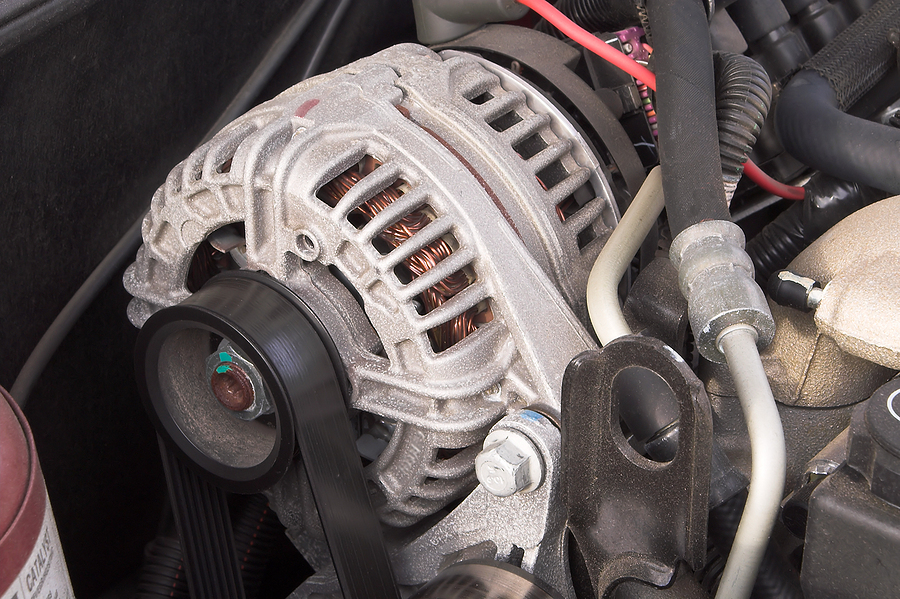
The alternator is the heart of your car’s electrical system while the engine is running. When internal diodes fail or the bearings wear out, the alternator cannot recharge the battery or power the vehicle’s electronics.

Starter Motor Problems

Starter motors endure a massive amount of electrical current and mechanical stress. Over time, the internal contacts wear down. If you hear a loud clicking sound or a grinding noise when trying to start your car, the starter motor is likely at the end of its lifespan.

Wiring Harness and Sensor Failures

German cars are packed with miles of wiring and dozens of sensitive sensors. Engine heat and environmental exposure can cause wire insulation to become brittle and crack, leading to short circuits and an urgent need for automotive electrical repair.

The Importance of Professional Diagnosis and Repair

Modern German cars operate on complex Controller Area Network (CAN) bus systems. Repairing them requires much more than a basic wrench set.

Specialized Tools and Expertise

Electrical diagnosis is not a guessing game. It requires factory-level diagnostic computers to read deep-level fault codes. German factory-trained technicians know how to interpret these codes and pinpoint the exact module or wire causing the disruption.

Preventing Further Damage

Ignoring a flickering light or a random warning chime can lead to catastrophic failures. Driving with a bad alternator will eventually ruin a brand new battery, leaving you with a much higher repair bill. Addressing the root cause quickly protects the rest of your vehicle’s sensitive electronics.

FAQ Section

How often should I have my German car’s electrical system checked?

You should have your electrical system inspected at least once a year, preferably before winter sets in. Extreme cold puts significant stress on car batteries and charging systems.

Can a bad battery cause other electrical problems?

Yes. A weak battery forces the alternator to work harder to keep the car running, which can lead to premature alternator failure. It can also cause sensors and control modules to behave erratically due to low voltage.

Is it safe to drive with an electrical warning light on?

It is highly recommended that you pull over safely and seek assistance if a red battery light or multiple warning lights illuminate. Driving with major electrical faults can lead to engine stalling or total loss of vehicle control.

Ensuring Your German Car’s Electrical Health

Your German vehicle is a masterpiece of modern engineering, but it requires specialized care to perform at its best. Electrical issues can be intimidating, but recognizing the early symptoms will save you time, money, and stress. If you notice dimming lights, hard starts, or transmission hesitations, it is time to seek professional help.

Are you looking for reliable German auto electrical repair in Indianapolis, Indiana? Located conveniently in Carmel, our mechanics are German factory trained and ready to restore your vehicle to peak condition. Schedule service today to keep your car running flawlessly.

Call to Book an Estimate

Related Post: Alternator Repair or Replacement for German Cars: Auto Electrical Troubleshooting

Decoding Your Car’s Dashboard: A Guide to Warning Lights and What They Mean

Owning a car comes with its share of responsibilities, and one of the most crucial aspects is understanding your vehicle’s warning lights. These small yet significant indicators on your dashboard can save you from costly repairs and ensure your safety on the road. Whether you’re a seasoned driver or new to vehicle maintenance, this guide will help you decode your car’s dashboard and understand what those warning lights mean.

Call 317-571-0800 For European Automotive Diagnostics in Carmel Indiana

The Importance of Understanding Dashboard Warning Lights

Your car’s dashboard is like its control center, offering real-time information about various systems within the vehicle. When a warning light illuminates, it signals that something needs your attention. Ignoring these warnings can lead to severe mechanical issues and costly repairs.

Understanding these warning lights can help you take immediate action, whether it’s a minor issue you can resolve yourself or a problem that requires professional attention. This knowledge not only saves you money but also enhances your vehicle’s longevity and performance.

Most Common Warning Lights

Check Engine Light

The check engine light is one of the most recognized warning lights. It can denote a series of problems, from a loose gas cap to more severe engine problems. When this light comes on, it’s essential to use a code reader to diagnose the specific issue. If you’re unsure, it’s best to consult a licensed mechanic for a thorough check-up.

Oil Pressure Warning

An oil pressure warning light indicates that your engine’s oil pressure is low. This can be due to low oil levels, a faulty oil pump, or other engine-related issues. To resolve this, check your oil level and top it up if necessary. If the light remains on, seek professional advice immediately to avoid engine damage.

Battery Charge Warning

The battery charge warning light signifies a problem with your vehicle’s charging system. This could be due to a failing alternator, a dead battery, or loose connections. Inspect the battery and alternator, and if the issue persists, visit a professional to diagnose and fix the problem.

Less Known Warning Lights

Tire Pressure Monitoring System (TPMS) Light

The TPMS light alerts you when one or more tires are under-inflated. Proper tire pressure is crucial for safe driving and fuel efficiency. Check your tire pressure using a gauge and inflate them to the recommended levels. If the light stays on, inspect for punctures or leaks.

Brake System Warning

A brake system warning light can indicate various issues, including low brake fluid, worn brake pads, or a malfunctioning ABS system. Check the brake fluid level and top it up if needed. For other issues, it’s best to consult a mechanic to ensure your brakes are functioning correctly.

Coolant Temperature Warning

The coolant temperature warning light signals that your engine is overheating. This can be due to low coolant levels, a faulty radiator, or a malfunctioning thermostat. Check your coolant levels and top up if necessary. If the problem persists, seek professional help to prevent engine damage.

How to Troubleshoot Warning Lights

Checking Fluid Levels

Many warning lights are related to fluid levels in your vehicle, such as oil, coolant, and brake fluid. Regularly checking and maintaining these fluids can prevent many warning lights from appearing. Ensure you use the correct type of fluid for your vehicle and follow the manufacturer’s recommendations.

Inspecting Belts and Hoses

Worn or damaged belts and hoses can trigger warning lights. Regularly inspect these components for signs of wear and tear, cracking, or leaking. Replacing them before they fail can save you from more significant issues down the road.

Using a Code Reader

Investing in a code reader can help you diagnose many warning light issues yourself. These devices can read and clear diagnostic trouble codes (DTCs), giving you a better understanding of what’s wrong with your vehicle. While some issues may still require professional attention, knowing the problem beforehand can save you time and money.

When to Seek Professional Auto Service

Persistent Warning Lights

If a warning light remains on after you’ve attempted basic troubleshooting, it’s time to consult a licensed mechanic. Persistent warning lights can indicate more severe issues that require professional diagnostics and repair.

Unfamiliar Warning Lights

While many warning lights are straightforward, some may be less familiar or harder to diagnose. If you’re unsure what a warning light means or how to address it, seeking professional help is the best course of action to ensure your vehicle’s safety and performance.

Regular Maintenance Checks

Regular professional maintenance checks are essential for preventing warning lights from appearing. Mechanics can identify and address potential issues before they become significant problems, keeping your vehicle in top condition.

The Impact of Ignoring Warning Lights on Your Vehicle

Increased Repair Costs – Ignoring warning lights can lead to more severe mechanical issues, resulting in higher repair costs. Addressing problems early can save you money and prevent further damage to your vehicle.

Reduced Vehicle Performance – Warning lights often indicate issues that can negatively impact your vehicle’s performance. Ignoring these warnings can lead to reduced fuel efficiency, power loss, and overall poor performance.

Safety Risks – Many warning lights signal issues that can compromise your safety on the road. Ignoring these warnings puts you and other road users at risk. Ensuring your vehicle is in good working order is crucial for safe driving.

In Summary

Understanding your car’s warning lights is essential for maintaining your vehicle’s health and ensuring your safety on the road. By recognizing what these lights mean and taking appropriate action, you can save money, enhance your vehicle’s performance, and prevent potential safety risks.

Remember, proactive vehicle maintenance and diagnostics are key to a long-lasting, reliable car. If you’re unsure about any warning lights, don’t hesitate to seek professional help. Your vehicle will thank you, and so will your wallet.

Are you racking your brain about the illuminated lights on your European car’s dash? Contact Autohaus Dierolf at 317-571-0800 for professional vehicle diagnostics and troubleshooting in Carmel, Indiana. We are German factory trained mechanics who specialize in German and European vehicles.

Related Posts:

Check Engine Light On? Here’s What You Should Do
Harnessing the Power: Troubleshooting Common Auto Electrical Issues
Comprehensive Guide to Troubleshooting Common Issues with German Cars

Alternator Repair or Replacement for German Cars: Auto Electrical Troubleshooting
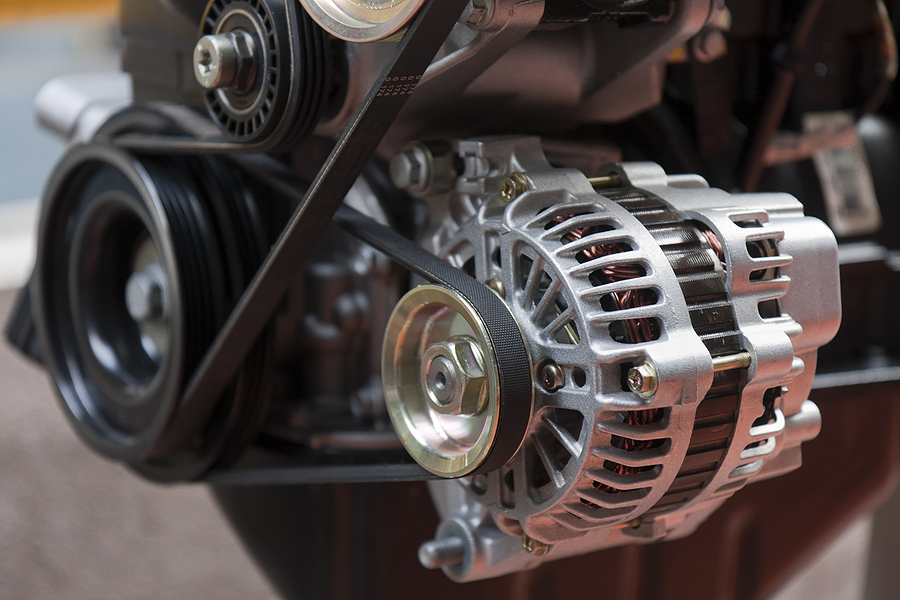
German make and model cars are renowned for their performance and engineering, but even these precision machines are not immune to the occasional bump in the road. Among the various intricacies that demand attention, the alternator stands as a crucial component, vital to the operation of the car’s electrical system. In this detailed guide, we’ll explore not only the role of the alternator in European-made cars but also the roadmaps for both repair and replacement to keep these vehicles running at their best.

Call 317-571-0800 For European Alternator Repair and Replacement in Carmel Indiana

Common Alternator Problems in German Cars

For most drivers, the alternator is an obscure part that only becomes relevant when dashboard lights start to flicker or the car struggles to start. European or German make and model cars in particular are known for their complex electrical systems, and alternator issues can be markedly challenging to diagnose and solve. Owners may encounter problems such as irregular power delivery, dashboard warning lights illuminating, and in extreme cases, a complete shutdown.

What the Alternator Does

To effectively address alternator problems in your German car, it’s essential to first understand what the alternator does and the role it plays in the broader functioning of your vehicle’s electrical system. The alternator is a key component that works to convert mechanical energy into electrical energy. It powers the vehicle’s electrical systems while the engine is running and also replenishes the battery to its proper charge.

Signs of Alternator Issues

The alternator is an essential component of your vehicle that keeps the battery charged and powers your electrical system. It works by converting mechanical energy from the engine into electrical energy that is used to keep the battery charged and operate various components of your car, such as lights, radio, and power windows. Unfortunately, like any other part of a vehicle, the alternator can experience issues over time.

It is important to recognize the signs of alternator problems early on, as ignoring them can lead to more significant and costly issues down the road. Here are the most common:

Dimming or Flickering Lights

One of the most common signs of an alternator issue is dimming or flickering lights while driving. The alternator’s job is to keep the battery charged, which in turn powers the lights. If your headlights or interior lights are flickering or becoming dimmer, it could be a sign that the alternator is not functioning correctly.

Strange Noises

If you start to hear strange noises coming from under the hood of your car, such as grinding, whining, or squealing sounds, it could indicate an issue with the alternator. These noises may be caused by a malfunctioning pulley or belt that is connected to the alternator.

Dashboard Warning Light

Most modern cars are equipped with a dashboard warning light that indicates an issue with the electrical system. If this warning light comes on, it could mean there is a problem with the alternator or another component of the electrical system. It is essential to have the vehicle checked by a mechanic as soon as possible to avoid further damage.

Difficulty Starting the Vehicle

The alternator plays a crucial role in starting your car. If you start experiencing problems with your vehicle not starting or taking longer than usual to start, it could be due to a faulty alternator. As the battery drains, there may not be enough power to start the engine.

Dead Battery

If you find yourself needing to jump-start your car frequently, it could be a sign of alternator issues. A healthy alternator should keep the battery charged while driving, so if you are continuously dealing with a dead battery, it is worth having the alternator checked.

Burning Smell

If you smell something burning while driving, it could be a sign that the alternator is overheating. An overheated alternator can damage its internal components and lead to a complete failure if not addressed promptly.

Automotive Maintenance Tips for a Healthy Alternator

Prevention is often the best cure when it comes to the alternator in your German car. Basic automotive maintenance, such as keeping the engine and alternator clean from debris and ensuring the battery’s terminals are tightened and free of corrosion, can significantly extend the life of the alternator. Proactive measures like regular electrical system checks and timely replacement of worn parts can prevent the alternator from failing and causing more extensive damage to your German or European make and model car.

Conclusion

The alternator is the unsung hero of your German vehicle’s electrical system, and knowing how to address issues with it is essential for any car owner or driver. Regular checks and timely repairs or replacements can prevent more significant problems and keep your car running smoothly.  Engage with your vehicle’s maintenance needs and to seek professional help when necessary. By doing so, you not only protect your investment but also ensure a safer and more enjoyable driving experience for years to come.

Keeping up with regular automotive maintenance is the most reliable way to maintain your car’s alternator and electrical system – especially if you drive a German vehicle. Contact Autohaus Dierolf at 317-571-0800 for European auto repair and auto service in Carmel, Indiana. We specialize in all make and model European and German vehicles.

Related Posts:

Harnessing the Power: Troubleshooting Common Auto Electrical Issues
Choosing the Right Car Battery for a German Car: Factors to Consider
Comprehensive Guide to Troubleshooting Common Issues with German Cars

Harnessing the Power: Troubleshooting Common Auto Electrical Issues

In the complex maze of wiring and circuits that form the nervous system of modern vehicles, electrical issues are not uncommon. From the battery to the alternator, the omnipresent electrical connections ensure your vehicle operates smoothly and reliably. However, these systems can also be the source of perplexing problems that can leave you stranded or scratching your head.

In this blog post, we’ll delve into the common electrical woes that car owners face, arming you with the knowledge to identify, understand, and troubleshoot these issues effectively. So, whether you’re wrestling with a flickering headlight or a stubborn engine that won’t start, let’s uncover the mysteries of auto electrical systems together.

Call 317-571-0800 When You Need Auto Electrical Repair in Carmel Indiana

The Importance of Proper Electrical Maintenance

Before we dive into specific issues, it’s essential to understand the significance of proper electrical maintenance. With modern vehicles relying heavily on electronic components, a well-maintained and functioning electrical system is crucial for optimal performance. Neglecting regular maintenance can not only lead to frustrating breakdowns but also cause more severe damage and costly repairs. Thus, it’s essential to pay attention to warning signs and address any electrical issues promptly. Regularly checking your battery, alternator, and other key components can help prevent potential problems and keep your vehicle running smoothly.

The Top Culprits: Batteries and Alternators

When it comes to auto electrical issues, the most common culprits are batteries and alternators. A dead battery is a common occurrence, especially during colder months when it works harder to start the engine. If your vehicle won’t start and you suspect it’s due to a dead battery, jump-starting or replacing it may do the trick. However, if you find yourself frequently dealing with dead batteries, it could be a sign of an underlying issue with your alternator.

The alternator is responsible for recharging the battery while the car is running, and a faulty one can cause the battery to drain quickly. Other signs of a faulty alternator include dimming headlights or dashboard lights, strange noises, and warning lights on your dashboard. It’s important to address any issues with your batteries and alternators promptly to avoid further problems down the road.

Beyond the Basics: Fuses, Wiring, and Ground Connections

While batteries and alternators are often the first suspects when it comes to auto electrical issues, other components can also cause problems. One of these is a blown fuse. Fuses protect circuits from overheating by breaking the connection when excessive current passes through them. If your vehicle experiences a sudden loss of power to a specific system or component, it’s worth checking the fuses.

In addition to fuses, wiring and ground connections can also cause issues. Frayed or damaged wires can lead to short circuits, while loose ground connections can result in poor performance or complete failure of electrical components. Regularly inspecting these components and addressing any damage or issues can help prevent potential problems.

Don’t Underestimate the Impact of Corrosion

Corroded connections are another common source of auto electrical issues. Over time, moisture and road salt can cause corrosion on battery terminals, wiring connections, and other components. This build-up of corrosion can impede the flow of electricity and lead to various problems ranging from dim lights to complete failures. Regularly cleaning and maintaining these connections can help prevent this issue, but if you find your vehicle suffering from corroded connections, they may need to be replaced entirely.

Other Common Electrical Issues

In addition to the above culprits, there are several other common electrical issues that car owners may face. These include faulty starter motors, malfunctioning sensors, and damaged spark plugs. It’s essential to address these issues promptly as they can lead to more severe problems if left unattended. Familiarizing yourself with these components and their functions can help you troubleshoot any potential issues.

In Conclusion

Auto electrical issues can be frustrating and time-consuming, but with proper knowledge and maintenance, they can be easily identified and resolved. Regularly inspecting key components such as batteries, alternators, fuses, wiring, and connections can help prevent potential problems and keep your vehicle running smoothly. Don’t underestimate the importance of proper electrical maintenance and addressing issues promptly to avoid more severe damage down the line. By harnessing the power of understanding and troubleshooting auto electrical problems, you’ll be well-equipped to handle any challenges that come your way.

Keeping up with regular automotive maintenance is the most reliable way to maintain your car’s electrical system – especially if you drive a European vehicle. Contact Autohaus Dierolf at 317-571-0800 for professional auto electrical repair in Carmel, Indiana. We specialize in all make and model European and German vehicles.

Related Posts:

Choosing the Right Car Battery for a German Car: Factors to Consider
Comprehensive Guide to Troubleshooting Common Issues with German Cars
Recommended Automotive Maintenance for a Car You Barely Drive