Greta is a 4-year-old white and tan pit mix who was found wandering the neighborhood in freezing temperatures. Despite having been pregnant in the past, she is calm and simply craves love. She gets along wonderfully with both kids and adults and seems unfazed by other animals as long as she receives attention.
TL;DR: Maintaining your BMW, Audi, or Mercedes brake system requires specialized attention. Replace brake fluid every 2 years, inspect pads at regular intervals, and always use OEM parts to preserve performance and safety. Watch for dashboard warnings, unusual sounds, or vibrations—they signal it’s time for professional service.
Key Takeaways:
German luxury vehicles have advanced brake systems with electronic sensors and specialized components
Brake fluid replacement is recommended every 2 years regardless of mileage
Dashboard warnings (especially red lights) require immediate attention
OEM brake parts ensure proper fit, quiet operation, and warranty protection
Visual and professional inspections catch problems before they become expensive
Table of Contents:
Why German Car Brake Systems are Unique
Common Signs Your Luxury Vehicle Needs New Brakes
Recommended Maintenance Schedule for European Sedans
The Importance of Using OEM Brake Parts
Frequently Asked Questions
Quick Recap
Conclusion
Book Brake Service in Carmel
Call 317-571-0800 For German Car Brake Maintenance in Carmel Indiana
Why German Car Brake Systems are Unique
German luxury vehicles feature sophisticated braking technology that sets them apart from standard automobiles. BMW, Audi, and Mercedes-Benz engineer their brake systems to deliver exceptional stopping power while maintaining the smooth, refined driving experience their brands are known for.
These manufacturers incorporate electronic wear sensors that actively monitor brake pad thickness. Unlike older vehicles that relied on simple metal tabs, modern BMWs use a Condition Based Service (CBS) system combined with physical sensors. The CBS analyzes your driving patterns and estimates brake life, while physical sensors provide definitive warnings when pads reach minimum thickness.
The integration extends throughout the vehicle. Adaptive cruise control systems interact with braking components, and hybrid models use regenerative braking to extend pad life. Electronic parking brakes, advanced ABS systems, and stability control all work together as a unified safety network. This complexity demands specialized knowledge and proper maintenance to function as intended.
Common Signs Your Luxury Vehicle Needs New Brakes
Recognizing brake wear early protects both your safety and your wallet. Several warning signs indicate it’s time for inspection or replacement.
Dashboard warnings are your first alert. A yellow brake light or iDrive message serves as an early reminder based on algorithmic estimates. This gives you time to schedule service at your convenience. A red brake light on the main cluster is urgent—the physical wear sensor has contacted the rotor, meaning you have approximately 1,000 to 3,000 miles before the pads are completely worn.
Squealing or grinding noises when applying brakes suggest worn pads. A high-pitched squeal often comes from the wear indicator making contact. Grinding means metal-on-metal contact, which damages rotors and requires immediate attention.
Vibrations or pulsations through the brake pedal or steering wheel can indicate warped rotors. This happens when excessive heat isn’t properly dispersed or when worn pads create uneven rotor surfaces.
Reduced braking performance manifests as longer stopping distances or a brake pedal that feels soft or spongy. These symptoms may point to brake fluid issues, air in the lines, or severely worn pads.
Visual inspection through your wheel spokes can reveal pad thickness. New pads have approximately 10-12mm of friction material. If the material appears thinner than 3-4mm or looks thinner than its metal backing plate, replacement is due.
Recommended Maintenance Schedule for European Sedans
Following manufacturer guidelines ensures your German vehicle’s brake system performs optimally throughout its life. While specific intervals vary by model and driving conditions, these schedules represent standard recommendations.
Brake Fluid Replacement: Every 2 years, regardless of mileage. This applies to all Audi, BMW, and Mercedes-Benz models. Brake fluid absorbs moisture over time, which can compromise braking performance and cause internal corrosion. The 2-year interval maintains fluid integrity and system protection.
Routine Brake Inspections: BMW recommends basic preventative checks every 5,000 miles, though the CBS system provides the primary service guidance. These inspections include brake pad thickness, fluid levels, and overall system condition.
For Audi vehicles, brake system checks occur during minor maintenance services (typically at 10,000-mile intervals). Technicians inspect for damage and leaks, measure pad thickness, check fluid levels, and examine brake hose condition.
Mercedes-Benz incorporates brake inspections into their Service A and Service B schedules. Service A occurs at approximately 10,000 miles or 1 year, then every 20,000 miles or 2 years thereafter. Service B, which includes brake fluid exchange, follows at approximately 20,000 miles or 1 year after the previous service, then every 20,000 miles or 2 years.
Brake Disc Inspection: Audi recommends checking brake disc thickness at 40,000 miles or 4 years, whichever comes first, then every 40,000 miles or 4 years thereafter.
Brake Pad Replacement: Pad lifespan typically ranges from 30,000 to 70,000 miles, though this varies significantly based on driving style. Frequent city driving, heavy loads, and aggressive braking reduce pad life. Highway cruising extends it. When replacing pads, always replace the wear sensors—these are one-time-use components that cannot be reused.
Professional Service: Schedule an inspection if you notice any warning signs before your next scheduled maintenance. Early detection prevents more expensive repairs down the line.
If you’re in the Carmel, Indiana area and need expert car brake service for your German luxury vehicle, our certified technicians have the specialized tools and knowledge to properly maintain your BMW, Audi, or Mercedes-Benz brake system.
The Importance of Using OEM Brake Parts
Original Equipment Manufacturer (OEM) brake parts are designed specifically for your vehicle by the same engineers who created it. This precision matters significantly for German luxury automobiles.
Perfect Fit and Integration
OEM brake pads, rotors, and sensors are manufactured to exact specifications. They integrate seamlessly with your vehicle’s electronic systems, including the CBS monitoring in BMWs and the maintenance tracking in Audi and Mercedes models. This ensures dashboard warnings function accurately and safety systems operate as intended.
Performance Consistency
German manufacturers design brake components to deliver specific performance characteristics—quiet operation, minimal dust, smooth pedal feel, and consistent stopping power. OEM parts replicate the original driving experience you expect from your luxury vehicle.
Sensor Reliability
Electronic wear sensors must be replaced with every pad change. Quality matters here—OEM or high-quality OEM equivalent sensors provide accurate readings and reliable warnings. Cheaper aftermarket sensors can fail prematurely or send incorrect data to your vehicle’s computer, leaving you without proper monitoring.
Warranty Protection
Using OEM parts maintains your vehicle’s warranty coverage and ensures any brake-related work meets manufacturer standards. Many OEM parts also come with their own limited lifetime warranties, providing long-term value.
Safety Assurance
Braking is your vehicle’s most critical safety system. OEM parts undergo rigorous testing to meet strict German engineering standards. They’re designed to handle the specific weight, power, and performance characteristics of your BMW, Audi, or Mercedes-Benz.
While aftermarket brake options exist at various price points, the modest cost difference rarely justifies compromising on such an essential safety component. Genuine parts protect your investment and ensure your German luxury vehicle performs exactly as its engineers intended.
Frequently Asked Questions
How often should I replace brake fluid on my BMW, Audi, or Mercedes?
Brake fluid should be replaced every 2 years regardless of mileage for all German luxury vehicles. This interval prevents moisture absorption that can reduce braking performance and cause internal system corrosion.
Can I reuse brake wear sensors when replacing pads?
No. Brake wear sensors are one-time-use components. The extreme heat and brake dust cause them to seize to the old pads and become brittle. Attempting to remove and reuse them will likely result in breakage, and even if intact, they won’t function reliably.
What’s the difference between a yellow and red brake warning light on my BMW?
A yellow brake warning or iDrive message is a proactive service reminder from the CBS system, giving you time to schedule maintenance. A red brake light on the main cluster is urgent—the physical sensor has contacted the rotor, and you have approximately 1,000 to 3,000 miles before pad failure.
How long do brake pads typically last on German luxury vehicles?
Brake pad lifespan generally ranges from 30,000 to 70,000 miles, though this varies significantly based on driving habits. City driving with frequent stops wears pads faster than highway cruising. Aggressive braking and heavy loads also reduce pad life.
Why do OEM brake parts cost more than aftermarket options?
OEM parts are engineered to exact specifications for your specific vehicle, ensuring proper fit, quiet operation, and integration with electronic systems. They undergo extensive testing to meet manufacturer standards and often include warranty coverage. The price difference reflects this precision and reliability.
What happens if I ignore a brake warning light?
Ignoring brake warnings leads to complete pad wear, causing metal-on-metal contact between the backing plate and rotor. This damages the rotor (requiring expensive replacement), significantly reduces braking performance, and compromises your safety.
Quick Recap:
German luxury vehicles use sophisticated electronic brake monitoring systems that require specialized maintenance.
Replace brake fluid every 2 years to prevent moisture contamination and maintain performance.
Schedule inspections every 10,000-20,000 miles or according to your vehicle’s service schedule.
Yellow dashboard warnings provide advance notice; red warnings require immediate attention.
Always replace wear sensors when installing new brake pads—they cannot be reused.
Use OEM brake parts for guaranteed fit, reliability, and proper system integration.
Watch for squealing, grinding, vibrations, or reduced stopping power as signs of brake wear.
Professional service with certified technicians ensures your brake system is properly maintained.
Conclusion
Your BMW, Audi, or Mercedes-Benz deserves the specialized care its engineers designed it to receive. Regular brake maintenance isn’t just about replacing worn parts—it’s about preserving the precise performance and safety that define German luxury automobiles. By following recommended service intervals, responding promptly to warning signs, and insisting on OEM components, you protect both your investment and your peace of mind.
Don’t wait for a dashboard warning to turn red.Schedule a professional brake inspection today with our certified technicians in Carmel, Indiana, who understand the unique requirements of German luxury vehicles.
What is it? An OBD-II scanner is a device that plugs into your car to read diagnostic trouble codes (DTCs) from the onboard computer.
Why use it? It helps you identify why your “Check Engine” light is on, ranging from minor issues to major repairs.
Who is it for? Any car owner with a vehicle manufactured in 1996 or later.
Key Takeaways:
Universal Language: Since 1996, cars in the US use a standardized system, meaning one scanner works on almost any modern vehicle.
Code ≠ Solution: A code tells you where the problem is (e.g., oxygen sensor circuit), but not necessarily what part to replace.
Empowerment: Owning a scanner prevents you from being upsold on unnecessary repairs by providing you with accurate data beforehand.
Table of Contents:
What is an OBD-II Scanner and How Does It Work?
What Common Issues Can an OBD-II Scanner Detect?
How Do I Use an OBD-II Scanner?
Are There Different Types of OBD-II Scanners?
Frequently Asked Questions
Quick Recap
Summary
German Auto Repair in Indy
There are few things more stressful for a driver than seeing the amber “Check Engine” light illuminate on the dashboard. It’s a vague warning that offers zero context. Is your gas cap loose, or is your transmission failing? Without a way to communicate with your vehicle, you are left guessing—or paying a mechanic just to find out what’s wrong.
This is where the On-Board Diagnostics (OBD-II) scanner comes in. Once a tool reserved exclusively for professional shops, these devices are now affordable and accessible for the average car owner. Thinking of an OBD-II scanner as a translator is helpful; it bridges the gap between your car’s complex internal computer and you.
Understanding how to use this tool can save you time, money, and a significant amount of anxiety. By reading this guide, you will learn how to interpret your car’s signals and make informed decisions about its maintenance.
Car Code Reading in Carmel Indiana
What is an OBD-II Scanner and How Does It Work?
To understand the scanner, we first need to understand the system it reads. OBD-II stands for On-Board Diagnostics II. It is a standardized computer system mandated by the US government for all cars and light trucks sold from 1996 onward. Its original purpose was to monitor emissions performance, but it has evolved to monitor the health of the engine, transmission, and other vital systems.
Your car is equipped with sensors that constantly measure performance—temperature, speed, oxygen levels, and airflow. All this data feeds into the Engine Control Unit (ECU), which acts as the car’s brain.
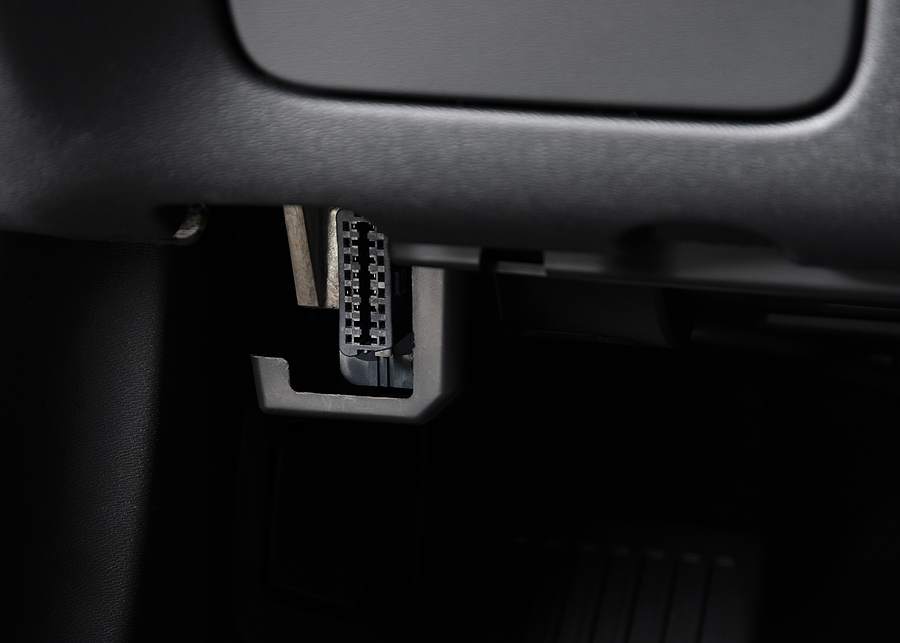
When the ECU detects a reading that falls outside the normal range, it triggers a Diagnostic Trouble Code (DTC) and turns on the Check Engine Light. An OBD-II scanner connects to a standardized port in your vehicle, usually located under the driver’s side dashboard. It “talks” to the ECU, retrieving the specific code that triggered the warning light so you know exactly which system is acting up.
What Common Issues Can an OBD-II Scanner Detect?
While an OBD-II scanner is a powerful tool, it is important to know what it can and cannot see. It specifically monitors systems related to the engine, transmission, and emissions.
Here are some of the most common issues a scanner will reveal:
Misfires: If your engine feels shaky or sounds rough, the scanner can tell you exactly which cylinder is misfiring.
Evaporative System Leaks: This is often as simple as a loose or faulty gas cap, but it can also indicate leaks in the fuel vapor hoses.
Oxygen Sensor Failures: These sensors monitor how much fuel you are burning. If they fail, your gas mileage will suffer.
Catalytic Converter Efficiency: This is a critical emissions component. A scanner can alert you if it is becoming clogged or failing.
Fuel System Issues: It can detect if your engine is running too “lean” (not enough fuel) or too “rich” (too much fuel).
What it usually won’t detect:
Standard OBD-II scanners generally do not diagnose non-electronic mechanical problems. For example, a scanner cannot tell you if your brake pads are worn down, if you have a flat tire (unless you have specific TPMS sensors), or if your suspension bushings are squeaking.
How Do I Use an OBD-II Scanner?
Using a scanner is surprisingly straightforward. You do not need to be a mechanic or have technical expertise to get a reading. Follow these simple steps:
Automotive Diagnostic Port
Locate the Port: Look for the 16-pin Data Link Connector (DLC) under your dashboard on the driver’s side. It usually looks like a trapezoid-shaped open plug (see image above).
Plug In: With the vehicle turned off, plug your scanner into the port. It should fit snugly.
Power On: Turn your ignition key to the “On” or “Accessory” position. This powers the electrical systems without starting the engine. (Some scanners may require the engine to be running for live data, but for reading codes, “On” is usually sufficient).
Scan: Follow the prompts on your scanner’s screen to “Read Codes.”
Interpret: The scanner will display a code, such as P0300 or P0420.
P stands for Powertrain (engine and transmission).
0 usually indicates a generic code (applies to all cars).
1 usually indicates a manufacturer-specific code (unique to Honda, Ford, BMW, etc.).
The last digits identify the specific fault.
Once you have the code, you can use a search engine to find out exactly what it means for your specific make and model.
Are There Different Types of OBD-II Scanners?
Not all scanners are created equal. They range from simple pocket-sized tools to complex tablets used by master technicians.
1. Basic Code Readers
These are the most affordable options. They simply display the error code and allow you to clear it (turn off the light). They rarely provide detailed descriptions, so you will need to research the codes they display. Just enter them into a search engine to learn more.
2. DIY Scanners and Bluetooth Dongles
These are popular with modern car owners. Some are handheld devices with color screens, while others are small “dongles” that plug into the port and connect wirelessly to an app on your smartphone. These often provide definitions of the codes, potential fixes, and even “live data” (real-time speed, RPM, and temperature readings).
3. Professional Bi-Directional Scanners
These are advanced tools used by shops. Unlike basic readers that only listen to the car, these scanners can talk to the car. They can command the car to turn on the cooling fan, roll down windows, or cycle the ABS pump. These are generally overkill for the average daily driver.
Frequently Asked Questions
Can I drive my car if the Check Engine Light is on?
If the light is steady yellow or orange, it generally indicates a problem that needs attention soon, but you can usually drive home or to a mechanic. If the light is flashing, pull over immediately. A flashing light indicates a severe misfire that can rapidly damage your catalytic converter and engine.
Will a scanner tell me exactly which part to buy?
No. A scanner tells you which circuit or system is reporting an error. For example, an Oxygen Sensor code doesn’t always mean the sensor is bad; it could be a frayed wire leading to the sensor. The code is the starting point for diagnosis, not the final answer.
Does my electric vehicle (EV) have an OBD-II port?
While EVs are not required to follow the same emissions standards as gas cars, many still have an OBD-II port. However, standard scanners may not read EV-specific battery health data. You may need a scanner specifically designed for EVs or a specialized app.
Quick Recap:
OBD-II is the standard diagnostic system for cars made after 1996.
Scanners plug into the DLC port under the driver’s dashboard.
They detect engine and emissions issues but not mechanical wear like brakes.
P0xxx codes are generic; P1xxx codes are manufacturer-specific.
Never ignore a flashing Check Engine Light.
In Summary
Understanding your vehicle doesn’t require a degree in engineering. With a simple OBD-II scanner, you can peel back the mystery of the “Check Engine” light and approach car maintenance with confidence. Whether you fix it yourself or simply walk into the repair shop knowing exactly what the problem is, you are in the driver’s seat.
For expert automotive repair and maintenance on German vehicles in Carmel, Indiana, contact us today! Our skilled technicians specialize in brands like BMW, Audi, and Mercedes-Benz, ensuring your car gets the care it deserves. Schedule your appointment now.
Owning a German vehicle is often about the experience—the precise handling of a BMW, the quiet luxury of a Mercedes-Benz, or the innovative engineering of an Audi. These machines are built for performance, designed to dominate the Autobahn and provide a superior driving experience. However, that high level of engineering comes with a trade-off: sensitivity. German cars are finely tuned instruments, and when one component falls out of harmony, the effects are often noticeable immediately.
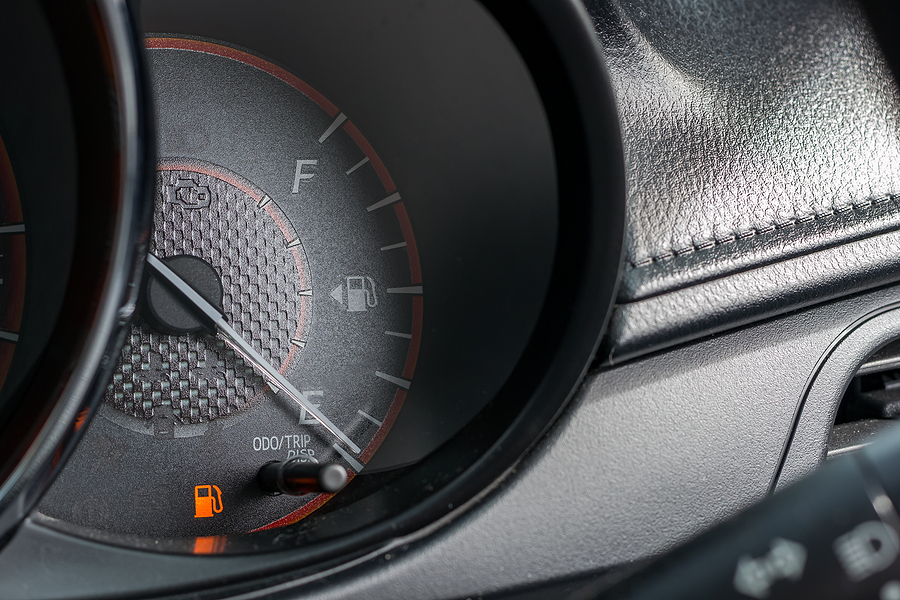
One of the most frustrating indicators that something is wrong is a sudden drop in fuel economy. You might notice you are visiting the gas station more frequently, or perhaps your onboard computer is displaying a lower MPG average than usual. It is a sinking feeling, knowing that your premium vehicle isn’t performing at its peak—and it’s hurting your wallet in the process.
A decline in gas mileage is rarely a random occurrence. It is almost always a symptom of an underlying issue, ranging from minor maintenance oversights to failing sensors. Understanding the root cause is the first step toward restoring your vehicle’s efficiency and protecting the long-term health of your engine.
Call 317-571-0800 to Book German Automotive Service in Carmel Indiana
The Usual Suspects: Common Causes of Reduced Efficiency
When a German car starts guzzling gas, the issue usually lies within the systems that manage air, fuel, and spark. Because these vehicles rely on sophisticated computers to optimize performance, a single faulty part can confuse the system, causing it to burn more fuel than necessary to compensate.
The Oxygen Sensor
This small but critical component is often the primary culprit behind significant drops in fuel economy. The oxygen sensor (O2 sensor) monitors the amount of unburned oxygen in the exhaust. It sends this data to the car’s computer, which adjusts the air-fuel mixture entering the engine.
If the sensor is faulty, it may send incorrect data, leading the computer to believe the engine needs more fuel than it actually does. According to the U.S. Department of Energy, fixing a faulty oxygen sensor can improve your mileage by as much as 40%. For a high-performance German engine, ignoring this sensor doesn’t just waste gas; it can eventually damage your catalytic converter, leading to a much more expensive repair bill.
Dirty Air Filters
Your engine needs to breathe. For every gallon of gas your car burns, it requires thousands of gallons of air. A clogged or dirty air filter restricts this airflow, forcing the engine to work harder to pull in the air it needs.
In older vehicles, this directly caused the air-fuel mixture to become too “rich” (too much gas, not enough air). In modern German cars with fuel-injected engines, the onboard computer will attempt to compensate for the restricted airflow, which often results in reduced power and efficiency. Replacing a dirty air filter is one of the simplest and most cost-effective ways to restore lost MPG.
Worn Spark Plugs
Spark plugs are responsible for igniting the air-fuel mixture inside the combustion chamber. When they are worn out or covered in carbon deposits, they may misfire or produce a weak spark. This results in incomplete combustion, meaning your engine isn’t burning all the fuel it’s being fed. The wasted fuel exits through the exhaust, and your engine has to work harder to maintain speed.
Fuel Injector Issues
Fuel injectors are designed to spray a precise mist of fuel into the engine’s cylinders. Over time, these injectors can become clogged with deposits from the fuel itself. A clogged injector may not spray the fuel efficiently, or it might leak, causing an excess of fuel to enter the engine. This imbalance not only ruins your gas mileage but can also lead to rough idling and sluggish acceleration.
While engine components are critical, external factors also play a massive role in how much fuel your vehicle consumes. German cars are designed for aerodynamics, but maintenance neglect can ruin that advantage.
Tire Pressure
It is easy to overlook, but your tires are the only point of contact between your car and the road. If they are under-inflated, they create more rolling resistance. Think of it like trying to ride a bicycle with flat tires—you have to pedal much harder to get anywhere.
The same principle applies to your car. The engine must burn more fuel to overcome that resistance. Keeping your tires inflated to the manufacturer’s recommended level (found on the sticker inside your driver’s side door jamb) is crucial. Data suggests that proper tire inflation can improve your gas mileage by up to 3%.
Aerodynamic Drag
German engineers spend countless hours in wind tunnels perfecting the silhouette of your vehicle to slice through the air. Adding a roof rack or a cargo carrier disrupts this airflow significantly.
According to government fuel economy data, a loaded roof rack can decrease fuel efficiency by up to 25% at highway speeds. Even when empty, the rack creates drag that forces your engine to consume more fuel. If you aren’t using the rack, removing it is a quick way to see an immediate improvement in efficiency.
How Your Driving Habits Affect the Tank
Sometimes, the mechanical components of the car are working perfectly, and the issue lies in the driver’s seat. We have all been there—rushing to a meeting or feeling impatient in traffic. However, aggressive driving is one of the fastest ways to drain your tank.
Aggressive Acceleration and Braking
Rapid acceleration and hard braking are detrimental to fuel economy. This “stop-and-go” style prevents the engine from operating in its most efficient range. Studies show that aggressive driving can lower gas mileage by 15% to 30% on the highway and 10% to 40% in stop-and-go city traffic. Driving smoothly, anticipating traffic flow, and coasting to a stop can save you a significant amount of money.
The Cost of Speed
While it might be tempting to push your BMW or Audi on the open road, speed kills fuel economy. Fuel efficiency typically decreases rapidly at speeds above 50 mph. In fact, for every 5 mph you drive over 50 mph, it is estimated that you are paying an additional $0.22 per gallon for gas. Using cruise control on the highway is an excellent way to maintain a consistent, efficient speed.
Excessive Idling
Leaving your car running while parked is a common habit, especially in extreme weather, but it gets you zero miles per gallon. Idling can use anywhere from a quarter to a half-gallon of fuel per hour. If you are going to be stopped for more than 10 seconds (and aren’t in traffic), turning off the engine is the smarter choice for your wallet.
Restoring Performance Through Maintenance
If you are noticing a drop in mileage, the best course of action is to return to the basics of car care. Regular maintenance is not just about preventing breakdowns; it is about maintaining the efficiency that you paid for when you bought a German vehicle.
Start with the fluids. Using the manufacturer’s recommended grade of motor oil can improve gas mileage by 1-2%. Thicker oil than recommended can increase friction in the engine, forcing it to work harder.
Next, stick to the factory maintenance schedule. German manufacturers like Volkswagen and Porsche have rigorous service intervals for a reason. These services often include checking the fuel system, replacing air filters, and inspecting sensors that you might not think to check yourself.
In Summary
A decline in gas mileage is your car’s way of asking for help. Whether it is a simple fix like inflating your tires or a more complex repair like replacing an oxygen sensor, addressing the issue early saves you money and preserves the life of your vehicle. You chose a German car for its superior engineering—don’t let poor efficiency compromise that experience.
If you are in the Carmel area and suspect your vehicle isn’t performing as efficiently as it should, let the experts take a look. At Autohaus Dierolf, we have specialized in European automotive service since 1968. We can run the necessary diagnostics to pinpoint exactly why your mileage has dropped and get you back on the road with the performance you expect.
There is a distinct expectation that comes with owning a German vehicle. You expect precision engineering, a smooth ride, and—perhaps most importantly—immediate, responsive power when you step on the gas. So, when your BMW, Audi, or Mercedes-Benz starts to hesitate, surge, or jerk during acceleration, it isn’t just annoying; it feels like a betrayal of the car’s character.
Uneven acceleration is a common performance issue that can turn a spirited drive into a stressful experience. It often manifests as a “stumble” when pulling away from a stoplight or a lack of power when trying to merge onto the highway. While these high-performance machines are complex, the causes behind this hesitation often boil down to a specific set of components failing to communicate effectively. Understanding what’s happening under the hood is the first step toward restoring the driving dynamics you paid for.
Call 317-571-0800 For German Car Auto Repair in Carmel Indiana
Common Culprits Behind Uneven Acceleration
When your engine hesitates, it is usually struggling to balance the delicate mixture of air and fuel required for combustion. In German vehicles, which rely heavily on sophisticated sensor networks, even a minor discrepancy in data can cause the Electronic Control Unit (ECU) to fumble.
Faulty Mass Airflow Sensor (MAF)
The Mass Airflow Sensor (MAF) is often the primary suspect when acceleration issues arise. Located between the air filter and the engine’s intake manifold, this sensor measures the volume and density of air entering the engine. The ECU uses this data to calculate the precise amount of fuel needed for efficient combustion.
Over time, the hot wire inside the MAF sensor can become coated with microscopic debris, oil, or dust. This contamination insulates the wire, causing it to send sluggish or inaccurate data to the engine computer. When the ECU receives bad data, it may inject too much or too little fuel, leading to a “lean” or “rich” running condition. The result is often a noticeable hesitation or jerking motion when you try to accelerate, as the engine struggles to adjust the fuel trim on the fly.
Issues with the Fuel System
For your car to accelerate smoothly, fuel must be delivered at a precise pressure and volume. If the flow is restricted, the engine will starve for fuel under load.
Clogged Fuel Injectors: Carbon deposits can build up on injector nozzles over time, disrupting the spray pattern and preventing fuel from atomizing correctly. This leads to uneven combustion and power loss.
Failing Fuel Pump: If the fuel pump cannot maintain the necessary pressure, you will likely feel the car surge or sputter, especially at higher speeds or during hard acceleration.
Problems with Spark Plugs or Ignition Coils
German engines are notorious for being demanding on their ignition systems. If the air and fuel are present but the spark is weak or mistimed, the cylinder won’t fire correctly. This is known as a misfire.
Worn spark plugs or failing ignition coils are leading causes of misfires under load. You might feel this as a rhythmic shaking or a “stumble” that worsens the harder you press the gas pedal. In modern turbocharged engines, a weak spark can easily be “blown out” by high cylinder pressures, causing instant power loss during acceleration.
Vacuum Leaks
Your engine acts as a giant air pump, operating under a vacuum. If there is a leak in any of the hoses, gaskets, or the intake boot, unmetered air—air that the MAF sensor didn’t count—enters the engine. This “pirate air” leans out the mixture significantly.
The symptoms of a vacuum leak are often most apparent at low speeds or idle, where the unmetered air constitutes a larger percentage of the total airflow. You might notice a rough idle that smooths out slightly as you rev the engine, accompanied by a hesitation right when you first step on the accelerator.
Software or ECU Issues
Sometimes, the hardware is fine, but the “brain” of the car is confused. The ECU manages thousands of parameters every second. If the software is outdated or develops a glitch, it may misinterpret sensor data. In some cases, German manufacturers release Technical Service Bulletins (TSBs) and software updates to refine throttle mapping and transmission shift points, resolving hesitation issues without replacing a single physical part.
Identifying the root cause of uneven acceleration requires a systematic approach. Guessing and throwing parts at a German car can quickly become expensive.
Use an OBD-II Scanner
Your car’s On-Board Diagnostics (OBD) system is your most powerful tool. Even if the Check Engine Light isn’t flashing, there may be “pending codes” stored in the computer.
P0101: Often indicates a range/performance issue with the Mass Airflow Sensor.
P0171 / P0174: These codes indicate a “System Too Lean,” pointing toward vacuum leaks or fuel starvation.
P0300: This represents random/multiple cylinder misfires, suggesting ignition or fuel delivery problems.
Visual Inspection
Pop the hood and take a close look at the engine bay. Look for:
Cracked or brittle rubber hoses (vacuum lines).
Tears in the intake boot connecting the air filter box to the throttle body.
Loose electrical connectors on the ignition coils or fuel injectors.
Solutions and Repairs for Slow Acceleration
Once you have pinpointed the issue, the repair is usually straightforward, though it requires precision.
Replacing Faulty Components
If diagnostics point to a sensor, replacement is often the only reliable fix. For German vehicles, it is critical to use Original Equipment Manufacturer (OEM) parts (like Bosch or Siemens). Aftermarket sensors often have slightly different tolerances that can cause the Check Engine Light to reappear shortly after installation.
Cleaning Fuel Injectors
If the injectors are clogged, a professional cleaning service can sometimes restore them. However, if the internal solenoid is failing, replacement is necessary. Cleaning the MAF sensor with a specialized solvent is also a valid first step before replacing it, potentially saving you hundreds of dollars.
Software Updates
If no mechanical faults are found, a specialist can check your vehicle’s current software version (I-Level) against the latest factory release. updating the integration level of the vehicle can resolve known glitches in throttle response.
Preventative Maintenance: The Key to Performance
The best way to fix acceleration issues is to prevent them from happening in the first place. German engineering requires strict adherence to maintenance schedules.
Regular Servicing: Change air filters and spark plugs at the recommended intervals. A clogged air filter puts extra strain on the MAF sensor.
Quality Fuel: High-performance engines require high-octane fuel with good detergents. Cheap gas can accelerate carbon buildup on valves and injectors.
Synthetic Oil: Always use the correct specification of synthetic oil. In modern engines with variable valve timing (like VANOS or Valvelift), oil pressure controls valve timing. Sludge from poor oil can cause sluggish performance.
Your Next Steps
Uneven acceleration is a symptom that something is amiss in your vehicle’s engine management system. Ignoring it can lead to reduced fuel economy, catalytic converter damage, and eventually, a breakdown. Your car was built to perform—ensure it lives up to that standard.
If you are tired of the hesitation and want to restore the smooth, powerful ride your car was built for, you need a specialist who understands German engineering. For expert diagnostics and German automotive repair in Carmel, Indianapolis, Indiana, trust Autohaus Dierolf. We treat your vehicle with the precision it deserves.
The precise handling of a BMW, the quiet luxury of a Mercedes-Benz, or the quattro all-wheel-drive system of an Audi—there is a distinct pleasure in driving a German-engineered vehicle. These cars are designed for performance, built to dominate the Autobahn and navigate winding country roads with ease. However, when temperatures plummet and snow begins to fall, even the most sophisticated engineering faces a formidable adversary: winter.
Cold weather doesn’t just make driving uncomfortable; it physically alters the way your vehicle operates. Fluids thicken, batteries lose capacity, and rubber compounds harden. For high-performance vehicles, these changes can be even more pronounced. The tight tolerances and advanced sensors that make your car feel so responsive can also make it sensitive to neglect during freezing conditions.
Preparing your vehicle for the months ahead isn’t just about avoiding a breakdown; it is about ensuring your safety. In 2023 alone, the National Highway Traffic Safety Administration (NHTSA) reported over 100,000 crashes occurred during snow and sleet conditions. By taking proactive steps now, you protect your investment and ensure that your vehicle remains as reliable in a blizzard as it is on a sunny afternoon.
Call 317-571-0800 For German Car Maintenance & Repair in Carmel Indiana
Essential Winter Car Maintenance for German Vehicles
Tire Care: The Foundation of Winter Safety
Your tires are the single most critical safety feature on your vehicle, serving as the only point of contact between your car and the road. In winter, the margin for error shrinks dramatically.
Monitor Tire Pressure Religiously
As the thermometer drops, so does the air pressure in your tires. For every 10-degree drop in Fahrenheit, your tires typically lose 1 PSI (pound per square inch) of pressure. While this might sound minor, a loss of just a few pounds can significantly affect handling and braking distance—two things you cannot afford to compromise on icy roads.
Check your tire pressure at least once a month when the tires are “cold” (meaning the car hasn’t been driven for at least three hours). Always inflate them to the manufacturer’s recommended PSI, which is found on the sticker inside your driver’s side door jamb, not the maximum pressure listed on the tire sidewall.
The Truth About Tread Depth
Tread depth determines how well your car can push snow and slush away from the tire to grip the road. While legal limits often state 2/32 of an inch is sufficient, this is inadequate for winter driving. For effective traction in snow, a depth of at least 4/32 of an inch—though 6/32 is preferable—is recommended. Opportunely, it is simple to check tire tread depth.
Winter Tires vs. All-Seasons
Many German vehicles come equipped with high-performance summer tires or all-season tires from the factory. While excellent for dry pavement, summer tires harden and lose grip below 45°F. If you live in an area with frequent snowfall, investing in dedicated winter tires is often the safest choice. Look for the “Three-Peak Mountain Snowflake” symbol on the sidewall, which indicates the tire has met specific snow traction performance requirements.
Battery Health: Powering Through the Freeze
German vehicles are famous for their electronics—from heated seats and steering wheels to complex infotainment systems and driver-assist sensors. All of these demand robust electrical power, placing a heavy load on your battery.
Unfortunately, cold weather is a battery’s worst enemy. At 32°F, a car battery can lose about 35% of its strength. When temperatures hit 0°F, that loss jumps to 60%. Combined with the fact that engines require more power to turn over when oil is thick and cold, a weak battery is a recipe for a stranded morning.
If your battery is more than three years old, have it tested by a professional. A simple load test can determine if it has enough cold-cranking amps (CCA) to survive the season.
Fluids are vital for regulating temperature and lubricating moving parts, but they behave differently in the cold.
Antifreeze (Coolant)
The name says it all. Antifreeze prevents the water in your engine’s cooling system from freezing and cracking the engine block. German cars often require specific coolant formulas (such as silicate-free or phosphate-free OAT/HOAT coolants) to prevent corrosion in their aluminum radiators and components. Do not simply top off with generic green coolant; ensure the mixture is the correct specification for your make and maintains the proper freeze protection (typically a 50/50 mix).
Engine Oil
Cold weather thickens oil, making it harder for the oil pump to circulate it during startup. Most modern German cars use synthetic oils that perform well in diverse temperatures, but it is always wise to check your owner’s manual. Ensure you are using the correct viscosity grade recommended for cold climates to reduce engine wear during those initial crucial seconds of ignition.
Windshield Washer Fluid
Standard blue washer fluid often freezes when temperatures dip well below freezing, potentially damaging your washer pump or reservoir. Switch to a winter-specific blend that contains a de-icing agent and is rated for temperatures as low as -20°F or -30°F.
Visibility: Seeing Clearly Through the Storm
Winter driving often means navigating through darkness, fog, and precipitation. Maximizing visibility is paramount.
Wiper Blades and Defrosters
If your wipers are leaving streaks or chattering across the glass, replace them immediately. Consider installing beam-style winter blades, which are designed to prevent ice and snow buildup on the frame. Additionally, ensure your rear window defroster and side mirror heaters (if equipped) are functioning correctly before the first frost hits.
Clearing Snow and Ice
It might be tempting to clear just a small “porthole” on your windshield when you’re in a rush, but this is dangerous. Clear all snow and ice from your hood, roof, trunk, and headlights. Snow left on the roof can slide down onto your windshield when braking, blinding you instantly, or fly off onto the car behind you.
Pro-tip for German car owners: Many modern models have sensors for parking, lane-keeping, and collision avoidance embedded in the bumpers and grille. A layer of ice or slush can blind these sensors, causing safety systems to malfunction. Keep them wiped clean.
Brakes: Stopping on a Dime (Even on Ice)
Your Anti-lock Braking System (ABS) is designed to prevent wheels from locking up during a skid, allowing you to maintain steering control. However, for ABS to work, your foundation brakes—pads, rotors, and calipers—must be in good condition.
Winter roads are often treated with salt and brine, which accelerate rust and corrosion. This can cause brake pads to bind or calipers to seize. If you hear grinding noises or feel a pulsation in the pedal, have your brakes inspected immediately. Remember, in emergency braking situations with ABS, you should apply firm, continuous pressure to the pedal—do not pump the brakes.
Emergency Kit: What to Include
Even with meticulous maintenance, emergencies can happen. A well-stocked kit can be the difference between a minor inconvenience and a dangerous situation. Keep the following items in your trunk:
Warmth: Heavy blankets, extra gloves, hats, and hand warmers.
Tools: A sturdy ice scraper, snow brush, and a small folding shovel.
Traction: A bag of kitty litter, sand, or traction mats to help you get unstuck.
Power: Jumper cables or a portable lithium-ion jump starter.
Safety: Flashlight with extra batteries, road flares, or reflective triangles.
Sustenance: Non-perishable snacks (like energy bars) and bottled water.
First Aid: A basic kit including bandages and antiseptic.
In Summary
Winterizing your vehicle is about respect—respect for the machine you drive and respect for the unpredictable nature of the season. A well-maintained German vehicle is a joy to drive year-round, offering safety and stability that few other cars can match. By addressing these maintenance items now, you can face the winter months with confidence.
If you are unsure about the condition of your battery, the tread on your tires, or the specific fluid requirements for your vehicle, don’t leave it to chance.
For drivers in Carmel, Indiana, seeking specialized care for their European vehicles, professional help is just around the corner. Whether you need a comprehensive winter inspection, a set of winter tires mounted, or a precise fluid service, ensure your car is in the hands of experts who understand German engineering. Schedule your winter maintenance appointment today to keep your car running safely all season long.
There are few sinking feelings quite like seeing your “Check Engine” light flicker on during your morning commute. Beyond the immediate worry about safety and scheduling, there is the inevitable anxiety about cost. When you finally get your vehicle to the shop, you are often presented with a question that can leave many drivers feeling uncertain: “Do you want us to use OEM parts or aftermarket parts?”
For the uninitiated, this choice can feel like a gamble. Is the more expensive option actually better, or are you paying for a brand name? Is the cheaper option safe, or will it fail in six months?
Your vehicle is a complex machine, and every component plays a role in your safety and the car’s longevity. Understanding the difference between these part types is crucial for making informed decisions that protect both your wallet and your peace of mind. This guide will walk you through the nuances of automotive parts so you can authorize that next repair with confidence.
Call 317-571-0800 For Used Parts for German Cars in Indianapolis
What Are OEM Parts?
OEM stands for Original Equipment Manufacturer. When you buy a new car, every part on it—from the brake pads to the taillights—is an OEM part. These components are made by the vehicle’s manufacturer (like Ford, Toyota, or BMW) or by a specific company that the manufacturer hired to produce those parts for them.
Think of OEM parts as the exact match for what your car was born with. If you need to replace a side mirror on a Mercedes CLA 250 and you choose an OEM part, you are buying the identical mirror that was installed on the assembly line. It is designed with the exact same engineering specs, materials, and safety standards as the original.
Understanding Alternatives: The Aftermarket
The alternative to OEM is the aftermarket. Aftermarket parts are any replacement parts for a vehicle that are not made by the original equipment manufacturer. These companies buy the rights to produce parts that fit and function like the originals, but they are third-party entities.
It is important to clarify a common misconception: “Aftermarket” does not automatically mean “low quality.” The aftermarket spectrum is vast. It ranges from high-performance brands that improve upon the original design to budget manufacturers creating cheaper, generic alternatives. When you walk into a generic auto parts store, the vast majority of what you see on the shelves is aftermarket.
The Case for OEM Parts
For many car owners, sticking with OEM is the default choice, and there are compelling reasons for this.
Guaranteed Fit and Function
There is no guesswork with OEM. Because the part was created using the manufacturer’s specific blueprints, you know it will fit perfectly. There is no need for the mechanic to force a clamp or modify a bracket. The crumple zones will react exactly as the engineers intended, and the paint finish on body panels will match the factory standard.
Quality Assurance and Warranty
OEM parts usually come with a warranty backed by the automaker, typically one year or 12,000 miles. This offers a layer of protection that provides significant peace of mind. If the part fails, you have a clear path to recourse.
Simplicity
Choosing OEM simplifies the buying process. You don’t have to compare five different brands of water pumps or read reviews to see which one lasts longest. You simply get the one designed for your car.
The Downside: Cost and Availability
The primary drawback of OEM parts is the price tag. They are almost always more expensive than their aftermarket counterparts—sometimes significantly so. Additionally, because they are specific to the manufacturer, you usually have to purchase them through a dealership or authorized service center, which can sometimes mean waiting for a part to be shipped if it’s not in stock.
The aftermarket industry is massive for a reason. It offers flexibility and options that the OEM route often cannot match.
Cost-Effectiveness
The biggest appeal of aftermarket parts is the price. They are often less expensive than OEM parts, which can save you a substantial amount of money on major repairs. For older vehicles where the resale value is low, saving money on repairs often makes the most financial sense.
Variety and Availability
You can find aftermarket parts at almost any gas station, auto parts store, or local mechanic. This wide availability means you can often get your car back on the road faster. Furthermore, the variety allows you to choose a part that fits your specific budget.
Potential for Higher Quality
Surprisingly, aftermarket parts can sometimes be better than the original. If a car manufacturer discovers a recurring issue with a stock part (like a plastic hinge that keeps breaking), aftermarket companies can reverse-engineer the part and fix the flaw, perhaps by using metal instead of plastic.
The Downside: Inconsistent Quality
The lack of standardization is the main risk here. Because there are so many third-party manufacturers, quality varies wildly. A brake pad from a reputable aftermarket brand might be excellent, while a “white box” generic version might wear out in half the time. Using aftermarket parts may also void your car’s warranty in some specific cases, so it is vital to check your coverage.
Factors to Consider When Choosing
So, how do you decide? The “right” choice depends heavily on your specific situation.
1. The Age of Your Vehicle
If you are driving a brand-new car, sticking with OEM is usually the best route to maintain the vehicle’s value and ensure you don’t run afoul of warranty requirements. However, if you are driving a 15-year-old sedan with 200,000 miles on it, paying a premium for OEM parts might not be a wise financial investment. High-quality aftermarket parts are often perfectly sufficient for older vehicles.
2. The Type of Repair
Not all car parts are created equal. When it comes to safety-critical components—such as brakes, steering, and suspension—many experts recommend leaning toward OEM or high-end aftermarket brands. You never want to cut corners on the parts that stop the car.
For non-essential or cosmetic repairs, such as air filters, door handles, or interior trim, cheaper aftermarket parts are often indistinguishable from the original and do the job just fine.
3. Collision Repairs
If you have been in an accident, the choice between OEM and aftermarket body panels is significant. OEM panels are guaranteed to have the proper fit and crash safety ratings. Aftermarket body panels may not align perfectly, leading to uneven gaps, or they may not have the same rust protection as the original metal.
Finding Reliable Parts and Service
Navigating the world of auto repairs requires a bit of diligence. If you choose to go the aftermarket route, research the brand. Look for certifications like CAPA (Certified Automotive Parts Association), which tests parts to ensure they meet quality standards.
Most importantly, rely on a mechanic you trust. A good automotive technician will be honest with you about when you can save money with an aftermarket alternative and when you really need to spring for the OEM component.
Specialized Care for European Vehicles
The stakes are often higher when dealing with precision-engineered vehicles. If you drive a German automobile, such as a BMW, Audi, or Mercedes-Benz, the tolerance for generic parts is much lower. These high-performance machines require specific maintenance standards to run correctly.
If you are looking for German car part procurement and replacement, seek out specialists who understand the intricate engineering of your vehicle. Utilizing the correct parts for European imports is essential for maintaining the performance and handling you expect from your investment.
In Summary
Ultimately, there is no single “correct” answer in the debate between OEM and aftermarket parts. It is a balance between your budget, your car’s needs, and your long-term plans for the vehicle.
By understanding the differences, you move from being a passive customer to an active participant in your vehicle’s care. Whether you choose the factory-perfect fit of an OEM part or the cost-effective utility of an aftermarket solution, the most important factor is that the repair keeps your vehicle safe and reliable on the road.
If you’re in Carmel, Indiana, and need expert German auto repair, we’re here to help. With a dedicated team specializing in German vehicles, we ensure your car receives the precision care it deserves. Contact Us Today to schedule an appointment and experience dependable service that keeps your vehicle performing at its best!
Walking up to your Mercedes-Benz, you expect to see the iconic three-pointed star shining on the grille or hood. But one day, you notice something is wrong—the emblem is cracked, faded, or missing entirely. A broken logo isn’t just a minor cosmetic issue; it detracts from the elegance and prestige your vehicle represents.
A damaged Mercedes-Benz emblem can be frustrating, affecting your car’s appearance and even its resale value. Whether the cause was a minor accident, harsh weather, or simple wear and tear, restoring this symbol of quality is important to many owners.
This guide will walk you through everything you need to know about a broken Mercedes-Benz logo. We’ll explore why it happens, how to fix it, and what you can do to prevent it from happening again.
Call 317-571-0800 When You Need Mercedes Broken Logo Repair in Indianapolis
Mercedes-Benz: The Symbol of a Legacy
The Mercedes-Benz logo is one of the most recognized symbols in the world. It’s more than just a brand mark; it’s a representation of a long history of luxury, innovation, and engineering excellence.
History and Meaning
The three-pointed star was first registered as a trademark in 1909. The points symbolize the Daimler company’s ambition to use its engines to power transportation on land, on water, and in the air. Over the decades, the logo has evolved slightly, but the core design has remained a constant symbol of the brand’s commitment to quality and performance.
Construction and Materials
Mercedes-Benz logos are crafted from various materials depending on the vehicle’s model and year. Older emblems were often made of chrome-plated metal, giving them a heavy, durable feel. Modern logos are typically made from high-quality plastics with a chrome or specialized finish.
Some newer models feature illuminated stars or logos that house advanced driver-assistance sensors, making their construction even more complex. Understanding what your logo is made of can help you determine the best way to care for and repair it.
Common Causes of a Broken Logo
A damaged Mercedes-Benz emblem can result from several factors, ranging from accidents to environmental exposure. Identifying the cause can help you decide on the right repair method.
Accidents and Collisions: Even a minor fender bender or an impact from road debris can crack, scratch, or dislodge the logo. The front grille and hood are particularly vulnerable to these types of impacts.
Environmental Factors: Continuous exposure to the elements takes a toll. Intense sun can cause the plastic to become brittle and the chrome finish to fade or peel. Similarly, harsh weather conditions like snow, ice, and heavy rain can degrade the logo’s materials over time.
Vandalism and Theft: Unfortunately, the iconic status of the Mercedes-Benz logo makes it a target for theft and vandalism. Standing hood ornaments, in particular, are susceptible to being broken off or stolen.
Wear and Tear: Nothing lasts forever. Over years of driving and countless car washes, the logo can naturally wear down. The adhesive may weaken, the finish can dull, or small cracks can appear due to age.
Once you’ve identified the damage, the next step is to decide whether to fix it yourself or take it to a professional. The right choice depends on the extent of the damage, your comfort level with car repairs, and the type of logo your vehicle has.
Assessing the Damage
First, take a close look at the emblem. Is it a simple hood ornament, a flat badge on the grille, or part of a complex sensor system?
Minor Scratches or Fading: Light cosmetic damage can sometimes be polished or touched up.
Cracked or Broken: If the logo is physically broken, it will likely need to be replaced entirely.
Missing Logo: If the emblem has been stolen or has fallen off, you will need a full replacement.
For newer models with logos that integrate sensors for features like adaptive cruise control, professional auto electrical repair is almost always necessary to ensure the systems are recalibrated correctly.
DIY Replacement Guide
If you have a simple badge or hood ornament and feel confident in your abilities, a DIY replacement can be a cost-effective option.
Tools and Materials Needed:
Replacement logo (OEM or aftermarket)
Plastic trim removal tool
Heat gun or hairdryer
Adhesive remover
Isopropyl alcohol
Microfiber cloths
Protective gloves
Step-by-Step Process:
Prepare the Area: Thoroughly clean the area around the logo to remove any dirt or debris.
Remove the Old Logo:
For adhesive badges, gently heat the emblem with a heat gun to soften the adhesive. Use a plastic trim removal tool or fishing line to carefully pry it off.
For hood ornaments or grille-mounted stars, you may need to access the back of the grille or hood to release clips or unscrew fasteners.
Clean the Surface: Use an adhesive remover to get rid of any remaining residue. Clean the surface with isopropyl alcohol to ensure the new adhesive will bond properly.
Install the New Logo: Carefully align the new emblem and press it firmly into place. If it uses clips or screws, secure them from the back. Follow the instructions that came with the replacement part, especially regarding curing time for the adhesive.
When to Call a Professional
You should seek professional help if:
Your vehicle has sensors integrated into the logo.
The repair requires removing the front bumper or grille assembly.
You are not comfortable performing the repair yourself.
The damage extends to the paint or body of the car.
A certified technician will have the right tools and expertise to ensure the job is done correctly without causing further damage.
Cost of Repair or Replacement
The cost to replace a Mercedes-Benz logo can vary significantly.
DIY Costs
A DIY replacement is typically the most affordable option. Aftermarket logos can range from $20 to $100. OEM (Original Equipment Manufacturer) parts from a dealership will be more expensive, often costing between $50 and $250 or more, depending on the model.
Professional Service Costs
Having a professional replace the logo will include the cost of the part plus labor. Labor costs can range from $100 to $300, depending on the complexity of the installation. For logos with integrated sensors, the total cost can easily exceed $500 due to the need for recalibration.
When sourcing Mercedes parts, OEM logos guarantee a perfect fit and finish, while high-quality aftermarket options can offer a more budget-friendly alternative.
How to Protect Your Logo
Taking a few preventative steps can help you avoid the hassle and expense of replacing your Mercedes-Benz emblem in the first place.
Protective Accessories: Consider applying a clear protective film over the logo to shield it from scratches and UV damage.
Regular Maintenance: Clean the logo gently with a soft microfiber cloth and mild automotive soap. Avoid using harsh chemicals or abrasive brushes that could damage the finish.
Smart Parking: Whenever possible, park in well-lit, secure areas to deter vandals. Parking in a garage can protect your vehicle from both theft and harsh weather.
Restore Your Vehicle’s Prestige
A pristine Mercedes-Benz logo is a small but significant detail that reflects the overall care and condition of your vehicle. While a broken emblem can be discouraging, it’s a problem that can be resolved with the right approach. By understanding the cause of the damage and weighing your repair options, you can restore the iconic three-pointed star and ensure your Mercedes-Benz looks as distinguished as it was designed to be.
If you need assistance with replacement or have concerns about integrated sensors, don’t hesitate to act. Contact our trusted German auto repair shop in Carmel, Indiana for professional Mercedes Benz service.
Owning a German car, whether it’s a BMW, Audi, Mercedes, or Volkswagen, brings a unique sense of pride. These vehicles are known for their precision engineering, performance, and luxury. However, that same engineering can lead to a surprisingly high auto repair bill if the car isn’t properly maintained.
The key to enjoying your German vehicle without breaking the bank lies in preventative maintenance. A small investment of time and attention can help you avoid major issues and keep your car running smoothly for years.
This guide offers practical German car care advice to help you sidestep common problems and reduce long-term costs. By understanding the essentials of preventative auto repair, you can protect your investment and continue to enjoy the driving experience you love.
Call 317-571-0800 For German Car Maintenance in Carmel, Indianapolis
German Car Care Strategies That Can Help Prevent Costly Repairs
Check Your Fluids Regularly
Fluids are the lifeblood of your vehicle, and keeping them at the correct levels is one of the most critical aspects of DIY car care. Neglecting them can lead to some of the most expensive repairs.
Engine Oil: Clean oil lubricates engine components, reduces friction, and helps dissipate heat. Infrequent oil changes can lead to sludge buildup and, in worst-case scenarios, catastrophic engine damage that could cost thousands of dollars to fix.
Coolant (Antifreeze): Coolant prevents your engine from overheating in the summer and freezing in the winter. If the coolant level is low or the fluid is old, it can cause the water pump to fail, a repair that can cost between $800 and $1200.
Brake Fluid: This hydraulic fluid transfers the force from your foot on the brake pedal to the brakes themselves. Old or contaminated brake fluid can compromise braking performance and damage components.
Transmission Fluid: This fluid lubricates and cools the transmission. Neglecting to service it can lead to transmission failure, with repairs often averaging $2,000 to $4,000.
DIY Tip: How to Check Your Fluids
Locate Dipsticks: Park your car on a level surface. For engine oil, pull out the dipstick, wipe it clean, re-insert it fully, and then pull it out again to check the level. Most German cars have color-coded caps for different fluids.
Check Reservoirs: Coolant, brake fluid, and power steering fluid are typically held in translucent reservoirs with “min” and “max” markings, making it easy to see the current level.
Top Off as Needed: If a fluid is low, top it off with the correct type specified in your owner’s manual. Using the wrong fluid can cause significant damage.
Prioritize Tire Maintenance
Proper tire care is essential not just for safety but also for preventing costly damage to other parts of your car.
Proper Inflation: Underinflated or overinflated tires wear unevenly and can negatively impact fuel efficiency and handling. Check your tire pressure monthly. You can find the recommended pressure on a sticker inside the driver’s side doorjamb.
Tire Rotation: Regularly rotating your tires—typically every 5,000 to 7,500 miles—ensures they wear evenly, extending their lifespan.
Wheel Alignment: If your wheels are misaligned, it can cause rapid and uneven tire wear. More importantly, it puts extra stress on your suspension system, potentially leading to repairs costing between $500 and $1,500.
Your braking system is a critical safety feature, and ignoring signs of wear can lead to dangerous situations and expensive brake repairs.
Brake Pads: These create the friction needed to stop your car. When they wear thin, you might hear a squealing or grinding noise.
Rotors: These are the discs the pads clamp onto. If you continue driving with worn-out pads, the metal backing can grind against the rotors, scoring them. Replacing scored rotors can cost $500 to $1,000 per axle—a much higher price than a simple pad replacement.
Calipers: These house the brake pads and pistons. A regular inspection can catch issues like leaks or sticking calipers before they become major problems.
Follow Scheduled Maintenance
German car manufacturers provide detailed service schedules for a reason. Following these recommended intervals for your BMW, Audi, or Mercedes is the best way to ensure its longevity and performance. Services like spark plug replacement, timing belt changes, and fluid flushes are designed to prevent larger, more expensive issues from developing. While it might seem costly at the time, this scheduled German car maintenance is an investment that pays off.
Address Minor Issues Promptly
That small rattle, strange noise, or warning light on your dashboard is your car’s way of telling you something is wrong. Ignoring these early warnings can allow a minor issue to snowball into a major failure. For example, a small coolant leak can lead to an overheated engine, and a slightly vibrating steering wheel could be an early sign of a suspension problem. Addressing these issues quickly is a core principle of preventative auto repair.
Find a Qualified German Car Mechanic
While some maintenance can be done at home, many repairs require specialized knowledge and tools. General mechanics may not have the specific training or diagnostic equipment needed for German vehicles. Finding a specialist who regularly works on brands like BMW, Mercedes, and Audi is crucial. An experienced German car mechanic will understand the common quirks of these vehicles and can diagnose problems more accurately, saving you time and money.
Conclusion
The appeal of a German car is its blend of performance and sophisticated design. By embracing a proactive approach to German car care, you can ensure your vehicle remains a source of joy, not a financial burden. Regular fluid checks, diligent tire maintenance, and timely inspections are not expenses—they are investments in your car’s health and your peace of mind. Taking these steps will help you avoid a staggering auto repair bill and keep your car performing at its peak.
Ready to give your car the expert care it deserves? Our certified mechanics specialize in German vehicles and are here to help.
Experiencing trouble starting your German car can be frustrating, especially with models like the BMW 3 Series, VW Golf, and Audi A4 known for their precision engineering. The sinking feeling when you turn the key and hear a slow crank, a rapid click, or complete silence is something no driver wants. At Autohaus Dierolf in Carmel, Indianapolis, we frequently address these car starting problems, which can range from simple battery issues to more complex electrical faults.
Understanding the potential causes behind these issues is the first step toward a solution. This comprehensive guide will walk you through the common reasons your German car won’t start, the specific symptoms to look for, and the diagnostic steps you can take. If you’re in the Carmel, Indiana, area and find yourself needing expert assistance, our team is here to help get your prized vehicle back on the road.
Call 317-571-0800 For German Car Repair & Diagnostics in Indianapolis Indiana
Understanding Car Starting Issues in German Make & Model Vehicles
Is It the Battery?
The battery is the heart of your car’s electrical system, and it’s often the first suspect when you have trouble starting your vehicle. However, it’s a common misconception that if a car won’t start, it must be the battery. While frequently the culprit, other issues can mimic a battery problem.
Common Symptoms of Battery Issues
Slow Cranking: The engine turns over sluggishly, struggling to start. This indicates the battery doesn’t have enough power to turn the starter motor effectively.
Clicking Noise: A rapid, machine-gun-like clicking sound when you turn the key is a classic sign of a weak or dead battery. The clicking is the starter solenoid engaging and disengaging because there isn’t enough voltage.
No Noise at All: Complete silence could mean the battery is completely drained or there’s a break in the electrical circuit.
Dim Headlights: If your headlights and interior lights are faint when you try to start the car, the battery is likely low on charge.
How to Diagnose Battery Problems
Voltage Test: Use a multimeter to check the battery’s voltage. A fully charged battery should read between 12.6 and 12.8 volts. A reading below 12.4V suggests it needs recharging, and a reading below 12.0V often means the battery needs to be replaced.
Inspect Terminals: Look for corrosion (a white or greenish buildup) on the battery terminals. This can interfere with the electrical connection. Clean the terminals with a wire brush and a mixture of baking soda and water if necessary.
Could It Be the Starter Motor?
If the battery seems fine but the engine still won’t crank, the starter motor could be the problem. The starter is a small electric motor that turns the engine over to begin the combustion process.
Symptoms of a Failing Starter
Single Loud Click: You hear one loud click when turning the key, but the engine doesn’t turn over. This suggests the starter solenoid is engaging, but the motor itself isn’t working.
Whirring or Grinding Noise: A high-pitched whirring or grinding sound after you turn the key indicates the starter is spinning but not engaging with the engine’s flywheel.
Smoke or Burning Smell: Smoke coming from under the hood can be a sign of an overheating or electrically-shorted starter motor.
Testing the Starter Motor
Diagnosing a starter requires more technical skill. A starter motor draw test can be performed by a professional to measure the electrical current it pulls. Excessive draw can indicate an internal short.
What About the Alternator?
The alternator recharges the battery while the engine is running and powers the car’s electrical systems. A failing alternator won’t recharge the battery, which will eventually lead to a car that won’t start.
Flickering Lights: Your headlights or dashboard lights may flicker or dim while driving.
Starts and Immediately Dies: Sometimes, a car with a bad alternator might start using the battery’s residual charge but will stall shortly after because it can’t sustain electrical power.
An alternator output test can confirm if it’s functioning correctly. A mechanic will check its voltage and current output while the engine is running.
For an engine to run, it needs fuel. A problem within the fuel system can prevent your car from starting, even if the electrical components are working perfectly.
Common Fuel System Issues
Clogged Fuel Filter: A dirty filter can restrict fuel flow to the engine.
Failing Fuel Pump: If the fuel pump is weak or has failed, it won’t deliver enough fuel for combustion. You might hear a faint whining noise from the fuel tank area when the car is on.
Clogged Fuel Injectors: Injectors can become clogged over time, preventing them from delivering the precise amount of fuel needed.
A fuel pressure test is the standard diagnostic procedure. A gauge is attached to the fuel rail to verify that the fuel pressure is within the manufacturer’s specified range for your model, such as an Audi A4 or VW Golf.
Ignition System Faults
The ignition system creates the spark that ignites the fuel-air mixture in the engine. In precision-engineered German cars, this system is critical. A fault here means no spark, and no spark means no start.
Key Ignition Components to Check
Worn Spark Plugs: Spark plugs wear out over time. A visual spark plug inspection can reveal wear, fouling, or damage.
Faulty Ignition Coils: Each spark plug has an ignition coil that provides the high voltage needed to create a spark. If one fails, it can lead to misfires or a no-start condition.
Bad Ignition Switch: The switch you turn with your key can fail, preventing power from reaching the starter motor and ignition system.
Other Potential Starting Problems
Beyond the major systems, several other components can cause starting issues in modern German cars.
Immobilizer Issues: Advanced security systems in cars like the BMW 3 Series can sometimes malfunction. If the car’s computer doesn’t recognize the key, the immobilizer will prevent the engine from starting. A common symptom is the car starting and then immediately shutting off. A specialized immobilizer system scan is needed to diagnose this.
Crankshaft Position Sensor: This sensor tells the engine’s computer the position and speed of the crankshaft. If it fails, the computer won’t know when to fire the spark plugs, and the car won’t start.
Blown Fuses or Bad Relays: A simple blown fuse or a faulty relay can interrupt power to critical components like the fuel pump or starter.
Wiring and Electrical Connections: Loose or corroded wires can cause intermittent starting problems that are often tricky to diagnose without a thorough inspection.
Getting Back on the Road
Troubleshooting car starting problems can be complex, especially with the sophisticated systems in German vehicles. While basic checks like inspecting the battery are straightforward, many issues require specialized tools and expertise. Using an OBD-II car code reader can provide valuable diagnostic trouble codes (DTCs) that point you in the right direction.
Regular maintenance is the best way to prevent these issues. Adhering to your vehicle’s service schedule, keeping battery terminals clean, and using high-quality fuel can make a significant difference. If you notice any warning signs like slow cranking or unusual noises, address them promptly to avoid getting stranded.
For drivers in Carmel, Indianapolis, finding a reputable German car mechanic is crucial. At Autohaus Dierolf, we have the advanced diagnostic tools and specialized knowledge to accurately identify and fix any issue. If your German car won’t start, don’t guess—get an expert diagnosis. Schedule a Service Appointment with us today, and let our specialists ensure your vehicle performs as it should.