
Every year on the second Friday of July, automotive enthusiasts across the United States pause to celebrate something genuinely special. Collector Car Appreciation Day—falling on today, July 10, 2026—is more than a social media moment. It’s a tribute to the mechanical artistry, cultural history, and passionate communities that keep classic automobiles alive and on the road.
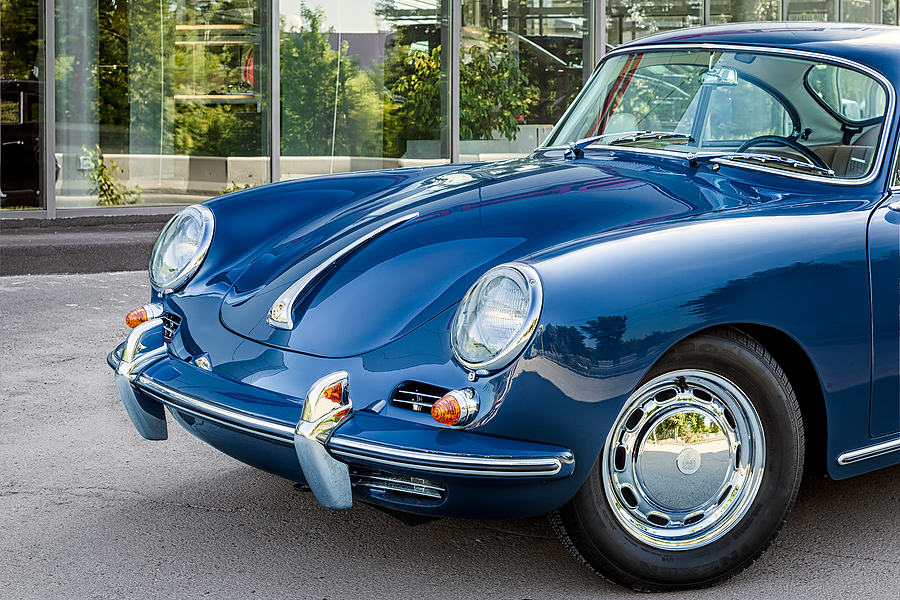
Whether you’re a seasoned restorer or someone who simply stops to admire a gleaming vintage Porsche parked outside a coffee shop, this day belongs to you.
The Enduring Appeal of Collector Vehicles
Americans have had a love affair with automobiles since the Duryea Motor Wagon Company demonstrated the first U.S. horseless carriage in 1893. From that moment forward, the car became something far greater than transportation—it became a cultural symbol, a canvas for engineering ambition, and an expression of personal identity.
Today, that passion is stronger than ever.
A Passion for Automotive History
Collector Car Appreciation Day was established in 2009 by the SEMA Action Network (SAN), a coalition of vehicle clubs, enthusiasts, and specialty parts industry members representing approximately 36 million vintage car lovers nationwide. The U.S. Senate passes a resolution each year to formally recognize the occasion, reflecting just how deeply automotive culture is woven into American life.
The day invites people to visit car shows, explore automotive museums, and celebrate the craftsmen and collectors who dedicate themselves to preserving these rolling pieces of history.
The Art and Engineering of Classic Cars
There’s a reason people stop cold when a well-restored 1960s BMW or a chrome-laden muscle car rolls by. Classic vehicles offer something modern cars rarely do: an unfiltered, tactile connection to the act of driving.
- Design and craftsmanship: Vintage vehicles were built in an era when aesthetics mattered as much as function. Sweeping body lines, hand-finished chrome details, and bold color palettes reflect a design philosophy that prioritized visual drama. Each car tells the story of the decade it came from.
- Mechanical marvels: Carbureted engines, manual transmissions, drum brakes, analog gauges—these systems require real mechanical knowledge to maintain and restore. There are no computer systems to plug in and run diagnostics on. Every repair is a hands-on exercise in problem-solving.
Restoring and Preserving Automotive Heritage
Behind every pristine collector car is an untold number of hours spent welding, painting, sourcing parts, and rebuilding components that haven’t been in production for decades. The restoration hobby supports thousands of specialized small businesses across the country, from upholstery shops to engine rebuilders, preserving vital skilled trades for future generations.
The Dedication of Collectors
According to the Specialty Equipment Market Association (SEMA), the automotive aftermarket and restoration hobby contributes billions of dollars to the U.S. economy annually. The classic cars market was valued at USD 39.7 billion in 2024 and is projected to reach USD 77.8 billion by 2032, reflecting a compound annual growth rate of 8.7% (Credence Research).
These numbers speak to a serious, sustained passion—not a passing trend.
Finding the Right Experts for Maintenance and Repair
Owning a collector car comes with a responsibility that a standard oil change shop simply can’t meet. Classic vehicles demand specialized care: the right type of fuel (typically ethanol-free), conventional oil with the correct viscosity, attention to brake lines and fluid condition, and careful inspection of aging rubber components like hoses and tires.
Proper storage matters just as much as regular driving. Ideally, a collector car should be kept in a dry, climate-controlled garage with a concrete floor—moisture is one of the greatest threats to long-term preservation. And yes, these cars should be driven at least once a month to keep seals, belts, and other components from deteriorating through inactivity.
Why German-Trained Mechanics Excel with European Vehicles
European collector cars—BMW 2002s, early Mercedes-Benz SL roadsters, vintage Porsches, classic Volkswagens—carry engineering philosophies that differ meaningfully from their American counterparts. The tolerances are tighter, the systems more integrated, and the parts less forgiving of generic solutions.
German car mechanics like Autohaus Dierolf bring a depth of marque-specific knowledge that simply isn’t available at a generalist shop. Factory-trained techs know the quirks of a particular engine family, the correct procedures for period-specific systems, and where corners should never be cut. For European collector cars, that expertise isn’t a luxury—it’s a necessity.
Investing in a Classic: More Than Just a Car
The numbers make a compelling case. Collector cars, when properly maintained, have demonstrated the ability to appreciate in value over time—particularly rare European models with documented histories. The 1954 Mercedes-Benz W196R Formula 1 race car sold for $30 million at auction in 2013, a figure that underscores how seriously the market takes provenance and condition.
But the investment case goes beyond dollars. Collector car ownership connects people to a community unlike any other.
The Community of Collectors
Car shows, weekend cruises, “cars and coffee” meetups, and marque-specific clubs create a social fabric that enthusiasts describe as genuinely irreplaceable. These gatherings aren’t just opportunities to admire beautiful machines—they’re places where knowledge is exchanged, friendships are formed, and the history of automotive culture is actively kept alive.
Collector Car Appreciation Day amplifies that sense of community, drawing in newcomers and veterans alike.
Keep the Spirit of Collector Car Appreciation Day Alive
Classic cars aren’t relics. They’re living proof that human ingenuity and craftsmanship endure long after a production line goes quiet. Collector Car Appreciation Day is a reminder to honor those who preserve that legacy—the restorers, the collectors, the mechanics, and the enthusiasts who show up at 7 a.m. on a Saturday just to stand in a parking lot and talk about carburetors.
Take a moment today to appreciate the machines that shaped American culture. And if you own a European collector car, make sure it gets the care it deserves.
If you own a German or European vehicle—classic or modern—Autohaus Dierolf in Carmel, Indiana is built for it. Our team of German factory-trained mechanics works on all makes and models of German and European vehicles, bringing dealership-level expertise without the dealership price tag. Schedule a service appointment today.
Related Posts:
How to Store Your Luxury Car Long-Term Without Damage
When to Call a Porsche Mechanic: Essential Guide for Luxury Car Owners
Luxury Assurance: The Importance of Prepurchase Inspections for German Vehicles