
Your tires are the only part of your vehicle that actually touches the road. That small patch of rubber carries your safety, your comfort, and your fuel economy with every mile you drive. When something goes wrong with your tires, your whole vehicle feels it.
Two common culprits quietly affect how your car performs: wheel alignment and tire air pressure. Both can slip out of spec without you noticing right away, yet both have a real impact on safety, handling, and your wallet.
This guide walks you through the warning signs of incorrect wheel alignment and improper tire pressure. By learning what to watch for, you can catch these problems early, protect your tires, and keep your ride smooth and safe.
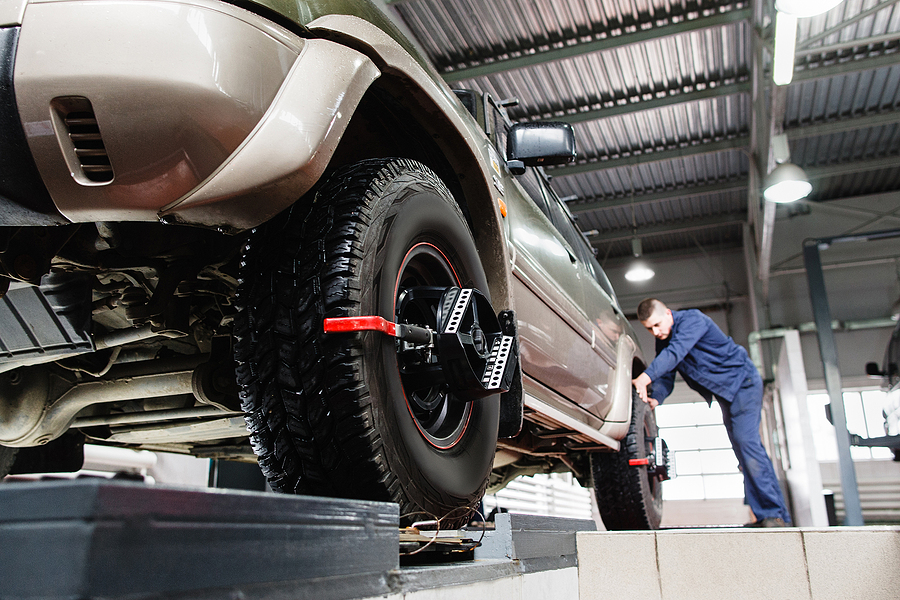
The Subtle Shakes: Signs of Incorrect Wheel Alignment
Wheel alignment refers to the angles of your tires relative to the road and to each other. When those angles drift out of spec, your car starts sending you signals. Here’s what to pay attention to.
Steering Wheel Tells: Pulls, Vibrations, and Off-Center Driving
Your steering wheel is one of the first places you’ll feel alignment trouble.
► Steering Wheel Pulling to One Side
If you have to constantly correct your steering to keep the car driving straight, your alignment may be off. A car that drifts left or right on a flat, straight road is a classic sign of an alignment problem.
► Steering Wheel Not Centered When Driving Straight
Notice your steering wheel sitting at an angle even when you’re driving straight ahead? A crooked or off-center steering wheel often points to misaligned wheels.
► Steering Wheel Vibrations
Vibrations through the steering wheel can signal that your tires are pulling against each other due to poor alignment. This shaking tends to get worse at higher speeds.
Tire Wear Patterns: Uneven Degradation and Feathering
Your tires keep a record of how your car has been driving. Uneven wear is a strong clue that alignment needs attention.
► Scalloping or Feathering on Tire Edges
Run your hand across the tread. If the edges feel smooth on one side and sharp on the other, that’s called feathering. This pattern usually means your toe alignment is incorrect.
► Excessive Wear on One Side of the Tire
When one edge of a tire wears down faster than the rest, your camber angle is likely off. This kind of one-sided wear shortens tire life dramatically.
Vehicle Handling Changes: Loose Steering and Squealing Tires
Alignment issues often change the way your car feels and sounds.
► Loose or Sloppy Steering
If your steering feels vague or unresponsive, like there’s too much play before the car reacts, misalignment could be the reason.
► Squealing Tires
Hearing your tires squeal during normal turns or at low speeds? Misaligned wheels can scrub against the pavement and create that telltale sound.
The Silent Sapper: Signs of Incorrect Tire Air Pressure
Tire pressure changes constantly with temperature, time, and driving habits. Both underinflation and overinflation cause problems, so it pays to know the signs.
Visual Clues: Bulges, Flats, and Distorted Shapes
Sometimes your eyes are the best diagnostic tool. A quick walk around your vehicle can reveal pressure problems.
► Visibly Low or Flat Tire
A tire that looks squashed or sits low against the ground is underinflated. Don’t ignore it, even if the car still drives fine.
► Tire Bulging at the Sidewalls
Bulges along the sidewall can signal internal damage, often made worse by running on low pressure. A bulging tire can fail suddenly, so treat it as urgent.
Performance Impacts: Fuel Economy and Braking Distance
Incorrect pressure quietly drains your wallet and reduces your safety margin.
► Decreased Fuel Efficiency
Underinflated tires create more rolling resistance, which forces your engine to work harder. The result is more trips to the gas station.
► Increased Braking Distance
Tires that aren’t properly inflated lose grip on the road. That loss of traction can lengthen your stopping distance, especially in wet conditions.
Ride Quality & Tire Life: Rough Rides and Premature Wear
The way your car rides and how long your tires last both depend on correct pressure.
► Rougher Ride Quality
Overinflated tires can make every bump feel harsh, since there’s less cushion between the road and your vehicle. If your ride suddenly feels stiff, check your tire pressure.
► Rapid or Uneven Tread Wear
Pressure problems leave a signature on your tread. Overinflated tires wear down the center first, while underinflated tires wear faster on both outer edges.
The Dangers of Neglect: Why These Signs Matter
Ignoring alignment and pressure warnings doesn’t just shorten tire life. It puts you, your passengers, and your vehicle at real risk.
Safety Risks: Loss of Control and Blowouts
Poor alignment and incorrect pressure both reduce your control over the car. Underinflated tires build up heat, which raises the chance of a blowout at highway speeds. A sudden blowout can be frightening and dangerous.
Financial Costs: Tire Replacement and Reduced Fuel Economy
Tires that wear unevenly need replacing sooner, and that’s an expense you can avoid. Add in the cost of wasted fuel from poor rolling resistance, and small problems quickly become expensive ones.
Vehicle Longevity: Strain on Suspension Components
When your wheels fight each other or your tires aren’t cushioning properly, the strain travels into your suspension. Over time, that extra stress can wear out components that are costly to repair.
Frequently Asked Questions
How often should I check my tire pressure?
Check your tire pressure at least once a month and before any long road trip. Pressure changes with temperature, so it’s smart to check more often during seasonal shifts. Always measure when the tires are cold for the most accurate reading.
How often should I get a wheel alignment?
A good rule of thumb is to have your alignment checked once a year or every 12,000 miles. You should also get it checked after hitting a major pothole, bumping a curb, or noticing any of the warning signs above.
Can incorrect tire pressure affect wheel alignment?
Incorrect tire pressure doesn’t directly change your alignment angles, but it does change how your tires wear and how your car handles. Driving on poorly inflated tires can mask or mimic alignment symptoms, which is why it’s best to keep both in check.
Keep Your Ride Smooth and Safe
Staying alert to the signs of poor alignment and incorrect tire pressure is one of the simplest ways to protect your vehicle. A pull in the steering, uneven tread, or a stiff ride may seem minor, but each one is your car asking for attention. Address these issues early, and you’ll enjoy safer drives, better fuel economy, and longer tire life.
Ready for expert care from a team that knows your vehicle inside and out? For trusted German automotive service in Carmel, Indiana, contact Autohaus Dierolf today to get scheduled.
Related Posts:
The Penny Test: Check Your Tire Tread in Minutes
Frequently Asked Questions About Tire Care