Don’t Let It Slip: The Impact of a Loose Gas Cap on Your Car

Driving your car with a loose gas cap might seem like a minor oversight, but it can lead to significant consequences. For car owners, ensuring every part of the vehicle is secure is crucial not only for performance but also for safety and environmental reasons. A gas cap, while small, plays a vital role in sealing your fuel system, preventing fumes from escaping, and ensuring the car runs efficiently. This post will guide you through understanding the significance of a gas cap, recognizing when it’s loose, and how to handle the situation effectively.

Call 317-571-0800 For Gas Cap Repair in Carmel Indiana

Signs of a Loose Gas Cap

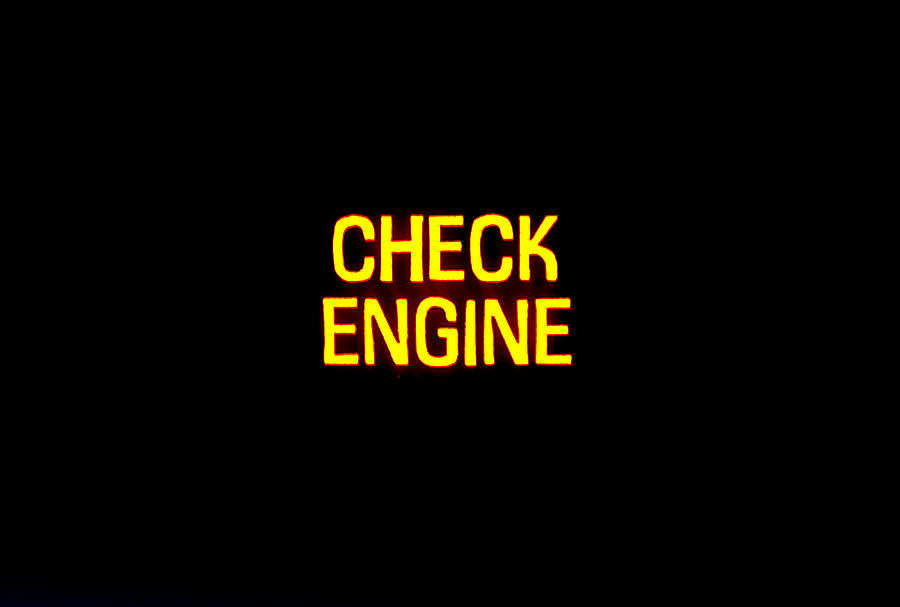
A loose gas cap can be more problematic than it appears. One of the primary signs is an illuminated check engine light on your dashboard. This indicator often causes panic among drivers, but it might simply be due to a gas cap that’s not secured. Additionally, you might notice a slight gasoline smell around your vehicle, indicating that vapors are escaping. Another sign is reduced fuel efficiency, as the vehicle’s system may not be optimized to contain fuel properly when the cap is loose.

Detecting these symptoms early can save you from future inconveniences. If you’re unsure whether your gas cap is the culprit, a quick visual inspection can help. Check if the cap is sitting flush with the tank opening. It’s also worth noting any rattling noises when driving, which may suggest the cap is not tightened correctly. Being aware of these symptoms can aid in maintaining your car’s performance and avoiding unnecessary stress.

Understanding Gas Cap Problems

Why does a loose gas cap trigger the check engine light? Modern vehicles are equipped with sensors that monitor the fuel system’s integrity. A loosened or missing gas cap disrupts this system by allowing air to enter, which can cause the sensor to alert you via the check engine light. This is because the vehicle’s evaporative emission system (EVAP) relies on a sealed environment to function optimally. When compromised, it can affect your car’s emissions and overall efficiency.

Ignoring a loose gas cap can lead to more than just a pesky warning light. Over time, the evaporative system’s inefficiency can impact the environment by releasing harmful gases. Additionally, your car’s computer system might misinterpret the issue, leading to unnecessary and costly diagnostics. Understanding this problem helps you take timely action, ensuring your car remains in top condition while reducing your environmental footprint.

DIY Solutions for a Loose Gas Cap

Before rushing to a mechanic, there are simple DIY solutions to address a loose gas cap. Begin by checking the cap’s condition—inspect for cracks, wear, or damage that might prevent it from sealing properly. If the cap appears intact, ensure it’s tightly secured by rotating it clockwise until you hear a click. This sound indicates that the cap is locked in place.

If the check engine light persists, consider replacing the gas cap, as it might be too worn to function correctly. Gas caps are generally inexpensive and available at most auto parts stores. Installing a new one is straightforward—simply remove the old cap and screw in the new one until it clicks. Performing these steps can often resolve the issue, saving you the time and expense of a professional evaluation.

How to Replace a Lost Gas Cap

If your gas cap is missing, it’s essential to replace it immediately. A lost cap leaves the fuel system exposed and can result in dirt, dust, or water entering the tank. Finding a suitable replacement is crucial as caps vary in size and design, depending on the vehicle model. It’s best to consult your car manual for specifications or ask an expert at an auto parts store for assistance.

When to Seek Professional Help

While a loose gas cap is often easy to fix, there are times when professional intervention is necessary. If tightening or replacing the cap doesn’t resolve the check engine light, it could indicate a more serious issue within the fuel system. Persistent warnings might suggest a leak in the fuel line or a malfunctioning sensor, both of which require expert attention. Additionally, if you notice a strong gas smell or observe fuel leakage, it could be a sign of a deeper problem needing immediate repair.

Consulting a mechanic ensures a thorough diagnostic check. Professionals have the tools and expertise to accurately pinpoint the issue, preventing potential damage to your vehicle. It’s better to err on the side of caution and seek advice when unsure, especially if you experience recurring problems with the fuel system. Protecting your car’s longevity and performance should always be a priority.

Preventative Measures

Preventing a loose gas cap situation is simpler than dealing with its consequences. Regularly check your gas cap at each refuel to ensure it’s tightened correctly. Make it a habit to listen for the click when closing the cap. Additionally, keep the cap and its surrounding area clean to avoid dirt or debris interfering with the seal. Maintaining these practices can significantly reduce the chances of encountering issues.

Another preventive measure is routine vehicle maintenance. During scheduled inspections, ask your mechanic to check the gas cap’s integrity. They can identify potential weak points before they become a problem. Investing a little time in these checks can spare you from future hassles, ensuring smooth operation and efficiency of your car.

In Summary

A secure gas cap may seem trivial, but its impact on your vehicle’s safety and performance is substantial. Regular maintenance and awareness of your car’s condition can prevent minor issues like a loose gas cap from escalating into significant problems. By taking proactive steps and seeking professional help when needed, you contribute to the longevity and reliability of your vehicle.

Remember, your car is an investment that serves you daily. Taking care of seemingly small details like the gas cap plays a role in maintaining its health and efficiency. For those who wish to explore more about car maintenance and ensure their vehicles are in excellent condition, consulting with a local auto repair shop is highly recommended. They can provide tailored advice and services to meet your specific needs.

Keeping up with regular auto maintenance is the most reliable way to maintain your car’s roadworthiness. Contact Autohaus Dierolf at 317-571-0800 for European auto repair and auto service in Carmel, Indiana. We specialize in all make and model European and German vehicles.

Related Posts:

5 Car Maintenance Services That Protect Your Life
Maximize Your Mileage: A Commuter’s Guide to Fuel Efficiency
Harnessing the Power: Troubleshooting Common Auto Electrical Issues

Your Dream Drive Awaits: Expert Tips for Buying a Used Mercedes

Buying a used car can be a thrilling adventure, especially when it involves the luxury and prestige of a Mercedes Benz. The used car market is bustling with opportunities, and Mercedes Benz stands out as a symbol of quality, style, and performance. However, stepping into this world requires a keen eye and informed decision-making to ensure you get the best value for your investment.

For luxury car enthusiasts, first-time car buyers, and used car shoppers alike, understanding the intricacies of purchasing a pre-owned Mercedes is crucial. This guide will walk you through the essential steps and considerations, from researching your desired model to finalizing the purchase and beyond. By the end of this read, you’ll be equipped with the knowledge to confidently drive away in your dream Mercedes.

In this comprehensive guide, we’ll cover everything you need to know about buying a used Mercedes Benz. From initial research to post-purchase maintenance, each section is designed to provide valuable insights and practical tips. Let’s begin your exciting journey to owning a piece of automotive excellence.

Call 317-571-0800 When You Need a Mercedes Benz Purchase Inspection in Carmel Indiana

How to Buy a Used Mercedes Benz

Research and Preparation

Before you even step foot on a dealership lot, it’s vital to do your homework. Researching the specific Mercedes Benz model you’re interested in is the first step to a successful purchase. Mercedes offers a variety of models, each with unique features and specifications. Understanding the differences can help you identify which model suits your lifestyle and needs.

Once you’ve narrowed down your choices, dig deeper into the car’s history. Service records and accident reports can reveal a lot about a vehicle’s past. A well-maintained Mercedes with regular servicing is likely to offer better performance and longevity. Websites like Carfax or AutoCheck can provide detailed reports on the car’s background, helping you avoid cars with hidden issues.

Budgeting is another critical aspect of your preparation. Luxury cars, even when used, come with a higher price tag. Determine how much you’re willing to spend and explore financing options available for used luxury vehicles. Keep in mind not just the purchase price, but also potential ongoing costs such as insurance, maintenance, and repairs.

Inspection and Test Drive Tips

The importance of a thorough inspection by a certified European automotive mechanic cannot be overstated. Mercedes Benz vehicles are known for their intricate engineering and advanced technology, so it’s crucial to have an expert German car mechanic assess the car’s condition. A professional inspection can uncover potential problems that might not be apparent to the untrained eye, saving you from costly repairs down the line.

During a test drive, pay close attention to how the car feels and responds. Listen for any unusual noises and note how the car handles different speeds and road conditions. Check the responsiveness of the brakes and steering, and ensure all electronic features, such as the air conditioning and infotainment system, are functioning correctly. A smooth and comfortable drive is a hallmark of a well-maintained Mercedes.

Don’t hesitate to ask questions during both the inspection and test drive. Understanding the car’s current state and any potential red flags is essential before making a commitment. This step is crucial in ensuring that the vehicle meets your expectations and provides the luxurious driving experience Mercedes is known for.

Negotiation and Finalizing the Purchase

Once you’re satisfied with the car’s condition, it’s time to negotiate the best price. Research the market value of the specific model you’re interested in to ensure you’re getting a fair deal. Don’t be afraid to haggle; sellers often expect it, and you could save a significant amount of money by being assertive yet reasonable in your negotiations.

Ensure the title is clean before finalizing the purchase. A clean title confirms that the car has no outstanding loans or legal issues, providing peace of mind that you’re making a sound investment. It’s also crucial to ensure all paperwork is completed correctly and that you understand the terms and conditions of the sale.

Finally, confirm that all necessary documents are in order, including the bill of sale, title transfer forms, and any warranty paperwork. These documents are vital for legal ownership and future reference. Once everything is in place, you’re ready to finalize the purchase and drive away in your newly acquired Mercedes Benz.

Post-Purchase Considerations

Owning a Mercedes Benz is a delightful experience, but it also requires ongoing care and attention. Maintaining your used luxury car is key to preserving its performance and value. Regular servicing at a certified service center ensures that your vehicle remains in optimal condition, giving you years of reliable service.

Understanding the warranty and post-purchase support options available for used Mercedes Benz vehicles is also important. Some used cars may come with a limited warranty, while others might be eligible for extended coverage. Knowing your options helps protect your investment and gives you confidence in your purchase.

Joining a community of Mercedes enthusiasts can enhance your ownership experience. Engaging with fellow owners can provide valuable insights and support, from maintenance tips to event invitations. Being part of such a community fosters a deeper appreciation for the brand and enriches your driving experience.

Conclusion

Buying a used Mercedes Benz is a rewarding venture with the potential for lasting enjoyment. By conducting thorough research, performing careful inspections, and negotiating wisely, you can secure a luxury vehicle that offers both quality and value. Remember to maintain your car diligently and leverage the support of warranties and the Mercedes community.

Your dream drive is just around the corner. If you’re ready to take the plunge, consider reaching out to your local European Automotive Center for a pre-purchase inspection and routine maintenance. Their expertise can guide you through the process and ensure that your Mercedes Benz experience is nothing short of exceptional.

Ready to get your Mercedes Benz professionally serviced and tuned up by a legitimate German automotive expert? Contact Autohaus Dierolf at 317-571-0800 for European auto repair and auto service in Carmel, Indiana for Mercedes and more. We specialize in all make and model European and German vehicles.

Related Posts:

Why a Mercedes Could Be Your Next Best Investment
6 Mercedes Benz Auto Parts That Commonly Breakdown
Does Your Mercedes Benz Radio Faceplate Liner Look Like it’s Peeling Off?

Maximize Your Mileage: A Commuter’s Guide to Fuel Efficiency

According to the U.S. Department of Energy, the transportation sector accounts for 29% of greenhouse gas emissions in the United States. This means your daily commute can have a bigger impact on the environment than you think. But it’s not just the environment that suffers. Fuel prices are projected to rise in 2023 and beyond. Improving your vehicle’s fuel efficiency can save you money at the pump and reduce your carbon footprint.

In this blog post, we explore practical tips for improving your car’s fuel efficiency, the environmental impact of better gas mileage, and the latest advancements in fuel-efficient technology.

Call 317-571-0800 When You Need Scheduled Car Maintenance in Carmel Indiana

Understanding Fuel Efficiency

Fuel efficiency is generally measured in miles per gallon (mpg). The higher the mpg, the less fuel your car consumes for each mile driven. While it might be tempting to assume that larger vehicles will naturally have lower fuel efficiency, upfront measurements might surprise you. In fact, some SUVs can be just as fuel-efficient as compact cars.

Many factors affect your car’s fuel efficiency, including:

  • Driving habits
  • Vehicle maintenance
  • Environmental conditions
  • The type of fuel used
  • The weight of the vehicle
  • The aerodynamics of the vehicle

While some of these factors can be controlled – like your driving habits and vehicle maintenance – others are dictated by the type of vehicle you drive and the conditions on the road. However, there are plenty of ways to improve your car’s fuel efficiency regardless.

Practical Tips for Improving Your Vehicle’s Fuel Efficiency

Check Your Tire Pressure

Keeping your tires inflated to the proper pressure is one of the easiest ways to improve fuel efficiency. According to the U.S. Department of Energy, you can improve your gas mileage by about 0.6% for every 1 psi drop in the average pressure of all tires. That’s because under-inflated tires create more rolling resistance, forcing your engine to work harder and consume more fuel.

To avoid this extra load, make sure to check your tire pressure regularly (at least once a month) and before long trips. For most vehicles, the ideal tire pressure can be found on a sticker inside the driver’s door or in the owner’s manual.

Reduce Excess Weight

Another easy way to improve fuel efficiency is to reduce the weight your vehicle has to carry. When shopping for a new car, remember that lighter vehicles tend to have better fuel efficiency. For those who already own an SUV or truck, consider how many items can be removed from your vehicle.

For instance, while roof racks are convenient for transporting bicycles and kayaks, they add wind resistance when not in use. Also, removing any unnecessary items from the trunk can help lighten your load. In fact, every 100 pounds removed from your vehicle can improve gas mileage by about one percent.

Keep Up with Regular Maintenance

Keeping up with regular vehicle maintenance can have a big impact on fuel efficiency. For example, a clogged air filter can restrict airflow to your engine, causing it to work harder and use more fuel. Similarly, old spark plugs can cause incomplete combustion, leading to wasted fuel. Follow your vehicle’s recommended maintenance schedule in the owner’s manual. Regularly check and replace air filters, spark plugs, and other essential components to keep your engine running efficiently.

The Environmental Impact of Improved Fuel Efficiency

Reduced Greenhouse Gas Emissions

One of the primary environmental benefits of improved fuel efficiency is reduced greenhouse gas emissions. According to the U.S. Environmental Protection Agency (EPA), transportation is one of the largest sources of greenhouse gas emissions in the United States. By using less fuel, more fuel-efficient vehicles emit fewer carbon dioxide (CO2) and other harmful pollutants into the atmosphere. This is especially important as climate change continues to pose a significant threat to the planet.

Improved Air Quality

In addition to reducing greenhouse gases, improved fuel efficiency also leads to better air quality. Vehicles that consume less fuel produce fewer tailpipe emissions, which can include harmful substances like nitrogen oxides (NOx) and particulate matter. These pollutants contribute to smog, respiratory problems, and other health issues. By opting for fuel-efficient vehicles and adopting Eco-friendly driving habits, you can reduce your impact on air quality and protect public health.

Conservation of Natural Resources

When you drive a fuel-efficient vehicle or improve your driving habits, you lower your overall fuel consumption. This not only benefits your wallet but also helps conserve natural resources. Fossil fuels, such as gasoline and diesel, are finite resources that contribute to environmental degradation when extracted and burned. By reducing your reliance on these fuels through improved fuel efficiency, you play a role in preserving our planet’s natural resources for future generations.

Technological Advancements in Fuel Efficiency for Modern Commuters

Hybrid and Electric Vehicles

Hybrid and electric vehicles (EVs) represent some of the most significant advancements in fuel efficiency technology. Hybrid vehicles use a combination of an internal combustion engine and an electric motor, allowing them to achieve impressive fuel economy while producing fewer emissions. On the other hand, EVs run entirely on electricity, producing zero tailpipe emissions. According to the U.S. Department of Energy, EVs are typically more efficient than conventional vehicles, converting over 77% of electrical energy from the grid to power at the wheels.

Advanced Driver Assistance Systems (ADAS)

Many modern vehicles are equipped with Advanced Driver Assistance Systems (ADAS) that can help improve fuel efficiency. These systems use sensors and cameras to monitor the vehicle’s surroundings and provide real-time feedback to the driver. For example, adaptive cruise control maintains a set speed while adjusting for traffic conditions, reducing unnecessary acceleration and braking. Additionally, some ADAS features provide recommendations for more efficient driving, such as when to coast rather than accelerate.

Enhanced Engine Technologies

Engine technology continues to evolve, with manufacturers developing more efficient designs that consume less fuel while generating the same power. Technologies such as turbocharging, direct fuel injection, and variable valve timing contribute to better fuel efficiency and reduced emissions. Turbocharging allows smaller engines to produce more power when needed, improving efficiency during normal driving conditions. Direct fuel injection delivers fuel directly into the combustion chamber, resulting in more precise fuel-air mixtures and better combustion efficiency.

Conclusion

Maximizing your vehicle’s fuel efficiency is a win-win solution. Not only does it save you money at the pump, but it also helps protect the environment and reduce your carbon footprint. By following the tips outlined above, you can make a positive impact every time you hit the road. To learn more about how you can improve your car’s fuel efficiency, be sure to contact your local automotive repair shop for routine maintenance.

Don’t wait until it’s too late—ensure your vehicle runs smoothly and efficiently by scheduling routine maintenance today! Contact Autohaus Dierolf at 317-571-0800 for European automotive service and repair in Carmel, Indiana. Our German mechanics are factory-trained with more than 25 years of experience in the automotive service industry.

Related Posts:

The Benefits of Fuel Injection Service for Your Vehicle
How to Calculate Your Car’s Gas Mileage
How Does Tire Width Affect Gas Mileage in Cars?

Decoding Your Car’s Dashboard: A Guide to Warning Lights and What They Mean

Owning a car comes with its share of responsibilities, and one of the most crucial aspects is understanding your vehicle’s warning lights. These small yet significant indicators on your dashboard can save you from costly repairs and ensure your safety on the road. Whether you’re a seasoned driver or new to vehicle maintenance, this guide will help you decode your car’s dashboard and understand what those warning lights mean.

Call 317-571-0800 For European Automotive Diagnostics in Carmel Indiana

The Importance of Understanding Dashboard Warning Lights

Your car’s dashboard is like its control center, offering real-time information about various systems within the vehicle. When a warning light illuminates, it signals that something needs your attention. Ignoring these warnings can lead to severe mechanical issues and costly repairs.

Understanding these warning lights can help you take immediate action, whether it’s a minor issue you can resolve yourself or a problem that requires professional attention. This knowledge not only saves you money but also enhances your vehicle’s longevity and performance.

Most Common Warning Lights

Check Engine Light

The check engine light is one of the most recognized warning lights. It can denote a series of problems, from a loose gas cap to more severe engine problems. When this light comes on, it’s essential to use a code reader to diagnose the specific issue. If you’re unsure, it’s best to consult a licensed mechanic for a thorough check-up.

Oil Pressure Warning

An oil pressure warning light indicates that your engine’s oil pressure is low. This can be due to low oil levels, a faulty oil pump, or other engine-related issues. To resolve this, check your oil level and top it up if necessary. If the light remains on, seek professional advice immediately to avoid engine damage.

Battery Charge Warning

The battery charge warning light signifies a problem with your vehicle’s charging system. This could be due to a failing alternator, a dead battery, or loose connections. Inspect the battery and alternator, and if the issue persists, visit a professional to diagnose and fix the problem.

Less Known Warning Lights

Tire Pressure Monitoring System (TPMS) Light

The TPMS light alerts you when one or more tires are under-inflated. Proper tire pressure is crucial for safe driving and fuel efficiency. Check your tire pressure using a gauge and inflate them to the recommended levels. If the light stays on, inspect for punctures or leaks.

Brake System Warning

A brake system warning light can indicate various issues, including low brake fluid, worn brake pads, or a malfunctioning ABS system. Check the brake fluid level and top it up if needed. For other issues, it’s best to consult a mechanic to ensure your brakes are functioning correctly.

Coolant Temperature Warning

The coolant temperature warning light signals that your engine is overheating. This can be due to low coolant levels, a faulty radiator, or a malfunctioning thermostat. Check your coolant levels and top up if necessary. If the problem persists, seek professional help to prevent engine damage.

How to Troubleshoot Warning Lights

Checking Fluid Levels

Many warning lights are related to fluid levels in your vehicle, such as oil, coolant, and brake fluid. Regularly checking and maintaining these fluids can prevent many warning lights from appearing. Ensure you use the correct type of fluid for your vehicle and follow the manufacturer’s recommendations.

Inspecting Belts and Hoses

Worn or damaged belts and hoses can trigger warning lights. Regularly inspect these components for signs of wear and tear, cracking, or leaking. Replacing them before they fail can save you from more significant issues down the road.

Using a Code Reader

Investing in a code reader can help you diagnose many warning light issues yourself. These devices can read and clear diagnostic trouble codes (DTCs), giving you a better understanding of what’s wrong with your vehicle. While some issues may still require professional attention, knowing the problem beforehand can save you time and money.

When to Seek Professional Auto Service

Persistent Warning Lights

If a warning light remains on after you’ve attempted basic troubleshooting, it’s time to consult a licensed mechanic. Persistent warning lights can indicate more severe issues that require professional diagnostics and repair.

Unfamiliar Warning Lights

While many warning lights are straightforward, some may be less familiar or harder to diagnose. If you’re unsure what a warning light means or how to address it, seeking professional help is the best course of action to ensure your vehicle’s safety and performance.

Regular Maintenance Checks

Regular professional maintenance checks are essential for preventing warning lights from appearing. Mechanics can identify and address potential issues before they become significant problems, keeping your vehicle in top condition.

The Impact of Ignoring Warning Lights on Your Vehicle

Increased Repair Costs – Ignoring warning lights can lead to more severe mechanical issues, resulting in higher repair costs. Addressing problems early can save you money and prevent further damage to your vehicle.

Reduced Vehicle Performance – Warning lights often indicate issues that can negatively impact your vehicle’s performance. Ignoring these warnings can lead to reduced fuel efficiency, power loss, and overall poor performance.

Safety Risks – Many warning lights signal issues that can compromise your safety on the road. Ignoring these warnings puts you and other road users at risk. Ensuring your vehicle is in good working order is crucial for safe driving.

In Summary

Understanding your car’s warning lights is essential for maintaining your vehicle’s health and ensuring your safety on the road. By recognizing what these lights mean and taking appropriate action, you can save money, enhance your vehicle’s performance, and prevent potential safety risks.

Remember, proactive vehicle maintenance and diagnostics are key to a long-lasting, reliable car. If you’re unsure about any warning lights, don’t hesitate to seek professional help. Your vehicle will thank you, and so will your wallet.

Are you racking your brain about the illuminated lights on your European car’s dash? Contact Autohaus Dierolf at 317-571-0800 for professional vehicle diagnostics and troubleshooting in Carmel, Indiana. We are German factory trained mechanics who specialize in German and European vehicles.

Related Posts:

Check Engine Light On? Here’s What You Should Do
Harnessing the Power: Troubleshooting Common Auto Electrical Issues
Comprehensive Guide to Troubleshooting Common Issues with German Cars

Clearing the Air: The Green Guide to Car Exhaust Emissions

When you think about the environmental challenges we face today, automotive exhaust emissions likely come to mind. These emissions significantly impact our planet and public health, making it essential for drivers to understand their role and how they can make a difference. In this guide, we’ll explore the complexities of car exhaust emissions, their environmental impact, and practical steps you can take to reduce your vehicle’s emissions.

Call 317-571-0800 For Catalytic Converter Replacement or Emissions Testing in Carmel Indiana

Understanding Car Exhaust Emissions

Before we can address the issue, it’s crucial to understand what car exhaust emissions are and where they come from. The primary components of exhaust gases include:

  • Carbon Monoxide (CO): A colorless, odorless gas produced by incomplete combustion of fuel. It can be harmful when inhaled in large amounts.
  • Nitrogen Oxides (NOx): Gases formed during the combustion process at high temperatures. They contribute to smog and acid rain.
  • Hydrocarbons (HC): Unburned fuel particles released into the atmosphere. They react with NOx to form ground-level ozone, a key component of smog.
  • Particulate Matter (PM): Tiny particles that can penetrate deep into the lungs and cause respiratory issues. They are primarily produced by diesel engines.

The Environmental Impact

Car exhaust emissions are a significant contributor to air pollution and climate change. Here’s how they affect our environment and health:

Air Pollution

Automotive emissions release pollutants that degrade air quality. Smog, primarily formed by NOx and hydrocarbons, can cause respiratory problems and exacerbate conditions like asthma and bronchitis.

Climate Change

Vehicles emit carbon dioxide (CO2), a greenhouse gas that traps heat in the Earth’s atmosphere, contributing to global warming. Reducing CO2 emissions is crucial for mitigating climate change and its associated impacts.

Health Concerns

Exposure to car exhaust emissions can lead to serious health issues, including heart disease, lung cancer, and premature death. Vulnerable populations, such as children and the elderly, are particularly at risk.

Regulatory Standards and Technological Advances

Governments worldwide have implemented stringent emissions standards to curb automotive pollution. These regulations have spurred technological advancements aimed at reducing emissions:

  • Catalytic Converters: Devices that convert harmful gases into less harmful substances before they exit the exhaust system.
  • Exhaust Gas Recirculation (EGR): A technique that recirculates a portion of the exhaust gases back into the engine cylinders, reducing NOx emissions.
  • Electric and Hydrogen-Powered Vehicles: These vehicles produce zero tailpipe emissions, presenting a promising future for reducing our reliance on fossil fuels.

Reducing Your Vehicle’s Emissions

You can play a part in minimizing your car’s emissions by adopting the following practices:

Regular Maintenance

Keep your vehicle well-maintained to ensure it runs efficiently. Regular oil changes, air filter replacements, and timely repairs can significantly reduce emissions.

Green Driving Habits

Adopt Eco-friendly driving habits, such as:

  • Avoiding rapid acceleration and hard braking.
  • Maintaining a steady speed.
  • Turning off the engine when idling for extended periods.

Choose Fuel-Efficient Vehicles

When purchasing a new car, consider fuel-efficient models or hybrids. These vehicles consume less fuel and produce fewer emissions.

The Role of Auto Repair Services

Auto repair shops play a critical role in emissions reduction. Skilled mechanics can:

  • Perform emissions testing and repairs.
  • Install and maintain catalytic converters.
  • Provide expert advice on reducing your vehicle’s environmental impact.

Conclusion

Addressing automotive exhaust emissions is vital for protecting our environment and health. By adopting Eco-conscious driving practices and maintaining your vehicle, you can make a significant difference. The future of emissions reduction looks promising, with technological advancements paving the way for cleaner, greener transportation.

Keeping up with regular automotive maintenance is the most reliable way to maintain your car’s catalytic converter – especially if you drive a German vehicle. Contact Autohaus Dierolf at 317-571-0800 for European auto repair and auto service in Carmel, Indiana. Our German mechanics are factory-trained with more than 25 years of experience in the automotive service industry.

Related Posts:

Catalytic Converter Repair and Replacement for German Cars: A Comprehensive Guide
Decoding Car Noises: Your Guide to Automotive Sound Signals
How to Make Your BMW More Eco-Friendly

Catalytic Converter Repair and Replacement for German Cars: A Comprehensive Guide

Owning a German car comes with a sense of pride and prestige. Whether it’s the engineering excellence or the luxurious driving experience, vehicles from Germany stand out from the crowd. However, like any high-performance machine, they require meticulous care to maintain their peak condition. One crucial component that demands attention is the catalytic converter. This guide takes you through everything you need to know about catalytic converter repair and replacement specifically for German cars.

Call 317-571-0800 When You Need Catalytic Converter Repair or Replacement in Carmel Indiana

The 101 on Catalytic Converters

What Catalytic Converters Do

Essentially, a catalytic converter is a device designed to reduce emissions. It transforms harmful gases and pollutants from an internal combustion engine’s exhaust into less harmful substances through a redox reaction. It’s a crucial component for not only keeping your car running clean but also for meeting legal emissions standards.

Signs of Catalytic Converter Problems

  • Decreased Engine Performance
  • Increased Fuel Consumption
  • Check Engine Light Comes On
  • Rattling Noise from the Undercarriage

These symptoms could indicate a failing catalytic converter. It’s crucial to address these signs promptly to prevent further damage to your vehicle.

Importance of Timely Repair or Replacement

Neglecting issues with your catalytic converter can lead to severe performance drops and, eventually, engine damage. For German cars, which are designed with precision engineering, ensuring every part functions correctly is essential to maintain their performance integrity and value.

Unique Considerations for German Cars

German cars are renowned for their quality and performance, which extends to their components like the catalytic converter. Here’s what you need to consider:

High-Quality Parts – Using high-quality replacement parts is non-negotiable. Ensuring that the new catalytic converter matches your car’s specifications keeps it running as intended by the manufacturer.

Specialized Service – German vehicles often require specialized knowledge for repairs, meaning you’ll want a technician experienced with European car maintenance when handling catalytic converter issues.

Cost Considerations – It’s no secret that maintaining a German car, including parts like the catalytic converter, can be more expensive. However, investing in quality repairs ensures the longevity and performance of your vehicle.

Tips for Maintaining Catalytic Converters

To avoid frequent repairs and replacements, here are some maintenance tips:

Conclusion

Regularly maintaining your vehicle’s catalytic converter is essential to keep your German car running efficiently and environmentally friendly. By paying attention to the signs of wear and ensuring timely repair or replacement, you’ll extend the life of your car and enhance your driving experience.

In this era where European cars set the benchmark for luxury and performance, understanding the nuances of components like catalytic converters and investing in their upkeep is crucial. Remember, the key to enjoying the unparalleled experience your German car offers lies in regular maintenance and addressing issues like Catalytic Converter Repair and Replacement with the seriousness they demand.

If you’re experiencing problems with your catalytic converter or just want to ensure everything is in top shape, consider seeking a professional diagnostics check. Contact Autohaus Dierolf at 317-571-0800 for European automotive service and repair in Carmel, Indiana. Our expertise in German car maintenance and European automotive repair ensures your vehicle receives the care it deserves. Reach out today and keep your German car in its best condition.

Related Posts:

Decoding Car Noises: Your Guide to Automotive Sound Signals
Check Engine Light On? Here’s What You Should Do
Alternator Repair or Replacement for German Cars: Auto Electrical Troubleshooting

Decoding Car Noises: Your Guide to Automotive Sound Signals

The language of cars isn’t all about the rev of an engine or the smooth glide of tires on asphalt; sometimes, it speaks in more concerning tones — the kind that make car owners perk up in their seats and passengers shift uneasily. Uncharacteristic sounds from your vehicle’s intricate machinery can be the first indicators of underlying problems. But, far too often, they are the ones we hope will just go away on their own.

However, the truth is that recognizing and reacting to strange car noises are foundational aspects of car care — translating these sounds could save you costly repairs down the road, or more immediately, steer you clear of a serious accident. In this detailed guide, we’re focusing on educating car owners, drivers, and commuters about various car sounds and the crucial steps to take when your car starts speaking a language that’s anything but normal.

Call 317-571-0800 For German Auto Repair in Carmel Indiana

Car Noises That Should Not Be Ignored

Car Engine Noises

Your car’s engine is a complex symphony of moving parts that, when functioning properly, produce an orchestra of cohesive hums and whirs. When one of these parts begins to falter, it often sings a solo that demands your attention.

Knocking: Also known as pinging, this sound usually indicates an issue with the combustion process. It can be a sign that the fuel you’re using isn’t up to par with your engine’s octane rating, or that the spark plugs or timing may be off.

Tapping or Clicking: Often associated with low oil levels or pressure, this noise means that your engine’s internals aren’t getting the lubrication they need.

Hissing or Whistling: These sounds aren’t too dissimilar to a tea kettle, and signify that your engine may have a vacuum leak or the serpentine belt is slipping — in the case of the latter, the temperature gauge’s needle wandering towards “HOT” can often confirm this suspicion.

Upon hearing any of these sounds from your engine, a trip to your trusted mechanic is strongly advised. Describing these sounds accurately can significantly aid the professional diagnosis process, potentially averting major engine problems if caught early on.

Car Brake Noises

Of all the sounds that might startle a driver, the screech or grind of your vehicle’s brakes is perhaps the most attention-grabbing — and for good reason.

Squealing – Brake squeals are generally straightforward and typically alert you to one of two issues. The first is when a metal indicator on your brake pad touches the rotor, signifying that it’s time for a replacement. The second is a build-up of dust on the brake rotor. Both instances, while possibly alarming, are resolved with routine maintenance.

Grinding – Unlike squeals, grinding indicates that the brake pads are completely worn down and metal is rubbing against metal. This is not only detrimental to your braking system, but can be outright dangerous and should be addressed immediately.

Ignoring brake-related sounds is perilous. When in doubt, have a mechanic inspect your brake system. Remember, car brakes are a vital safety feature and any disruptions to their operation should be taken seriously.

Transmission Noises

The transmission is perhaps the most enigmatic component of your car, and when it starts to speak up, it’s best not to ignore it.

Clunks and Whirs – Transmission sounds can vary, but any departures from the norm should be looked into. A clunk when shifting into gear could indicate a problem with the transmission mount, while whining can point to issues with the planetary gear sets or bearings.

Your car might not be able to tell you what’s wrong, but you can help your mechanic by identifying when the sounds occur, whether it’s while shifting, accelerating, or decelerating. This context is invaluable for an accurate transmission repair diagnostic.

Other Automotive Sounds to Look Out For

Some car noises don’t fall neatly into engine, brake, or transmission categories but are important to note all the same.

Knocking on Other Components – If you hear knocking from the underside of your car it could mean a number of things — your car might be telling you that it’s time to replace the shock absorbers, or that the transmission fluid or filter needs attention.

Sudden Hissing – This sound is often associated with a radiator or vacuum line leak, or in extreme cases, a failing head gasket. Any issues related to cooling should be addressed swiftly to avoid overheating.

Smaller Sounds – Often these smaller sounds are leading indicators of a larger problem, and while they might not be immediately serious, they shouldn’t be overlooked. Performing regular maintenance checks can often identify the source of these sounds before they become problematic.

Stay Ahead of Strange Car Sounds with Routine Automotive Maintenance

The art of listening to your car’s sounds is a critical skill that every driver should cultivate. Early diagnosis can lead to simpler, more cost-effective solutions. Don’t ignore your car when it tries to communicate with you. Whether it’s a minor hiss or a major bang, prompt attention means safer on-road experiences and a less tumultuous relationship with car repair bills.

Regularly scheduled maintenance may seem like an inconvenience until you realize it’s a key strategy to maximally extend the life of your vehicle and avert high-stress situations — both in terms of the mechanical operation of your car and your wallet.

Conclusion

The next time you’re behind the wheel and your car starts talking in an unfamiliar way, don’t just turn up the stereo and hope for the best. Tune in, listen closely, and act on its messages. After all, the more attuned you are to your car’s sounds, the better you can play interpreter to its needs. And remember, the interpretation is only as good as the response it elicits — so get to the mechanic’s shop, the safety of the car and its occupants depend on it.

Is your German vehicle singing off key? Contact Autohaus Dierolf at 317-571-0800 for European automotive service and repair, today. Our German mechanics are factory-trained with more than 25 years of experience in the automotive service industry.

Related Posts:

Do Not Make These Common Vehicle Maintenance Mistakes
When Do I Need to Change the Fluids in My Car?
Factory Recommended Maintenance for Car Brakes

Check Engine Light On? Here’s What You Should Do

When the dreaded check engine light illuminates on your dashboard, it’s easy to feel a pang of anxiety. This light is often the harbinger of various vehicle malfunctions – some minor and others possibly severe. Before visions of costly repairs cloud your judgment, take a deep breath.

In this blog post, we will guide you through the initial steps you should take upon noticing your check engine light, or malfunctioning indicator lamp (MIL). From understanding the possible reasons behind the light to when it’s time to call a professional, we aim to demystify this common vehicle issue and provide peace of mind through knowledge and preparedness.

Call 317-571-0800 For Check Engine Light Troubleshooting and Repair in Carmel Indiana for German Cars

Understanding the Check Engine Light

Many drivers don’t realize that the check engine light is not a “one size fits all” warning. In fact, it’s designed to indicate a wide range of issues – from minor ones such as a loose gas cap to major problems like a failing catalytic converter. The light itself has evolved over the years, with earlier models simply displaying “check engine” and newer models utilizing various symbols to represent the issue. Regardless of the design, it’s essential to address this warning as soon as possible to avoid any potential safety hazards or costly repairs down the line.

Common Malfunctioning Indicator Lamp Triggers

As mentioned earlier, not all check engine light warnings warrant immediate panic. Some common issues that can trigger the malfunctioning indicator lamp include a loose or damaged gas cap, faulty oxygen sensors, and a failing mass airflow sensor. These issues may be relatively minor and can sometimes be resolved by simply tightening the gas cap or replacing a sensor. However, it’s still crucial to address these problems promptly to prevent further damage to your vehicle.

Faulty Oxygen Sensor

One of the most common issues that can trigger the MIL is a faulty oxygen sensor. The oxygen sensor measures the amount of oxygen in the exhaust system and sends this information to the vehicle’s computer. If the sensor is not working properly, it can cause a decrease in fuel efficiency and may also lead to other engine problems.

Loose or Damaged Gas Cap

A loose or damaged gas cap can also cause the check engine light to turn on. The gas cap seals the fuel system and helps to maintain proper pressure within the fuel tank. If it is not tight or has cracks, it can lead to an increase in emissions and trigger the check engine light.

Malfunctioning Catalytic Converter

The catalytic converter is responsible for converting harmful pollutants into less harmful emissions before they exit through the exhaust system. If this component fails, it can cause an increase in emissions and trigger the check engine light.

Faulty Mass Airflow Sensor

The mass airflow sensor measures how much air is entering the engine and helps determine how much fuel should be injected into the combustion chamber. If it malfunctions, it can cause a decrease in performance and fuel efficiency, leading to an illuminated check engine light.

Failing Ignition Coils

Ignition coils are responsible for providing spark to ignite the fuel-air mixture in each cylinder of an engine. If one or more of these coils fail, it can result in misfires, which can damage other components of the engine and trigger the check engine light.

When to Seek Professional Help

If checking for common issues doesn’t resolve the malfunctioning indicator lamp, it’s time to seek professional help. Modern vehicles are equipped with complex onboard diagnostic systems that can provide specific error codes to pinpoint the issue. A certified mechanic will have specialized tools and knowledge to read these codes and determine the root cause of the problem. They can then advise you on the necessary repairs or replacements needed.

How to Avoid Future Check Engine Light Warnings

Prevention is always better than cure, and the same applies to your vehicle’s check engine light. Regular maintenance and tune-ups can go a long way in preventing unexpected warnings and costly repairs. It’s essential to follow your vehicle’s recommended maintenance schedule and address any potential issues as soon as they arise. Additionally, keeping an eye on your vehicle’s performance, including any changes in fuel efficiency or strange noises, can alert you to potential problems early on.

In Conclusion

Although the check engine light may seem daunting at first, it’s essential to remain calm and take action promptly. Understanding the purpose of this warning and knowing when to address it yourself or seek professional help can save you time, money, and potential safety hazards. Remember to prioritize regular maintenance and tune-ups to prevent future issues and keep your vehicle running smoothly. With these tips in mind, you can confidently handle a malfunctioning indicator lamp that may come your way.  So next time you see that dreaded light on your dashboard, take a deep breath and follow these steps – you’ve got this! 

Don’t panic  if your check engine light just popped up out of nowhere. Our pros can help. Contact Autohaus Dierolf at 317-571-0800 for European auto repair and auto service in Carmel, Indiana for BMWs and more. We specialize in all make and model European and German vehicles.

Related Posts:

When to Repair vs. Replace: Making Sense of Your Car’s Engine Problems
How to Diagnose Common Problems with Your European Car
Avoiding Financial Pitfalls: How to Save Money on High-End Car Repairs

Alternator Repair or Replacement for German Cars: Auto Electrical Troubleshooting

German make and model cars are renowned for their performance and engineering, but even these precision machines are not immune to the occasional bump in the road. Among the various intricacies that demand attention, the alternator stands as a crucial component, vital to the operation of the car’s electrical system. In this detailed guide, we’ll explore not only the role of the alternator in European-made cars but also the roadmaps for both repair and replacement to keep these vehicles running at their best.

Call 317-571-0800 For European Alternator Repair and Replacement in Carmel Indiana

Common Alternator Problems in German Cars

For most drivers, the alternator is an obscure part that only becomes relevant when dashboard lights start to flicker or the car struggles to start. European or German make and model cars in particular are known for their complex electrical systems, and alternator issues can be markedly challenging to diagnose and solve. Owners may encounter problems such as irregular power delivery, dashboard warning lights illuminating, and in extreme cases, a complete shutdown.

What the Alternator Does

To effectively address alternator problems in your German car, it’s essential to first understand what the alternator does and the role it plays in the broader functioning of your vehicle’s electrical system. The alternator is a key component that works to convert mechanical energy into electrical energy. It powers the vehicle’s electrical systems while the engine is running and also replenishes the battery to its proper charge.

Signs of Alternator Issues

The alternator is an essential component of your vehicle that keeps the battery charged and powers your electrical system. It works by converting mechanical energy from the engine into electrical energy that is used to keep the battery charged and operate various components of your car, such as lights, radio, and power windows. Unfortunately, like any other part of a vehicle, the alternator can experience issues over time.

It is important to recognize the signs of alternator problems early on, as ignoring them can lead to more significant and costly issues down the road. Here are the most common:

Dimming or Flickering Lights

One of the most common signs of an alternator issue is dimming or flickering lights while driving. The alternator’s job is to keep the battery charged, which in turn powers the lights. If your headlights or interior lights are flickering or becoming dimmer, it could be a sign that the alternator is not functioning correctly.

Strange Noises

If you start to hear strange noises coming from under the hood of your car, such as grinding, whining, or squealing sounds, it could indicate an issue with the alternator. These noises may be caused by a malfunctioning pulley or belt that is connected to the alternator.

Dashboard Warning Light

Most modern cars are equipped with a dashboard warning light that indicates an issue with the electrical system. If this warning light comes on, it could mean there is a problem with the alternator or another component of the electrical system. It is essential to have the vehicle checked by a mechanic as soon as possible to avoid further damage.

Difficulty Starting the Vehicle

The alternator plays a crucial role in starting your car. If you start experiencing problems with your vehicle not starting or taking longer than usual to start, it could be due to a faulty alternator. As the battery drains, there may not be enough power to start the engine.

Dead Battery

If you find yourself needing to jump-start your car frequently, it could be a sign of alternator issues. A healthy alternator should keep the battery charged while driving, so if you are continuously dealing with a dead battery, it is worth having the alternator checked.

Burning Smell

If you smell something burning while driving, it could be a sign that the alternator is overheating. An overheated alternator can damage its internal components and lead to a complete failure if not addressed promptly.

Automotive Maintenance Tips for a Healthy Alternator

Prevention is often the best cure when it comes to the alternator in your German car. Basic automotive maintenance, such as keeping the engine and alternator clean from debris and ensuring the battery’s terminals are tightened and free of corrosion, can significantly extend the life of the alternator. Proactive measures like regular electrical system checks and timely replacement of worn parts can prevent the alternator from failing and causing more extensive damage to your German or European make and model car.

Conclusion

The alternator is the unsung hero of your German vehicle’s electrical system, and knowing how to address issues with it is essential for any car owner or driver. Regular checks and timely repairs or replacements can prevent more significant problems and keep your car running smoothly.  Engage with your vehicle’s maintenance needs and to seek professional help when necessary. By doing so, you not only protect your investment but also ensure a safer and more enjoyable driving experience for years to come.

Keeping up with regular automotive maintenance is the most reliable way to maintain your car’s alternator and electrical system – especially if you drive a German vehicle. Contact Autohaus Dierolf at 317-571-0800 for European auto repair and auto service in Carmel, Indiana. We specialize in all make and model European and German vehicles.

Related Posts:

Harnessing the Power: Troubleshooting Common Auto Electrical Issues
Choosing the Right Car Battery for a German Car: Factors to Consider
Comprehensive Guide to Troubleshooting Common Issues with German Cars

The Ultimate Guide to Purchasing Your First Volkswagen

For many, the dream of owning a car begins with a certain kind of silhouette – a distinct profile that represents more than just four wheels and an engine. It embodies a lifestyle, a heritage, and a community. This silhouette, synonymous with German engineering and a commitment to quality, is that of a Volkswagen, sparking the imaginations of would-be drivers across generations.

In this extensive guide, designed with the first-time car buyer in mind, we break down each step of the Volkswagen purchase journey, from initial research to cruising down the open road in your very own VW. We are here to equip you with the information and confidence you need to make an informed and rewarding first vehicle purchase.

Call 317-571-0800 When You Need a Volkswagen Mechanic Near Carmel Indiana

Research and Planning for a New Volkswagen

Owning your first Volkswagen is more than a rite of passage; it’s a milestone in personal mobility and a testament to your commitment to a driving experience that’s more than just a commute. As you stand on the precipice of transforming this dream into reality, the complexities of the purchase process might seem daunting. Here are some considerations to help clear the path in front of your:

Understanding Your Needs and Budget

Before the thrill of the dealership visit, take time to introspect exactly what you need from your vehicle. Will it be your daily driver, a weekend adventurer, or a mix of both? What about cargo space, fuel efficiency, or safety features – which rank highest on your list of priorities?

When you’re looking at Volkswagen cars, performance and the legendary German engineering are par for the course. But understanding the specifics of your daily use is crucial in selecting the right model from their diverse line-up. From the classic Beetle and mid-sized Passat to the spacious Atlas and Tiguan models, there’s a Volkswagen for every lifestyle.

Researching Volkswagen Models

Head to Volkswagen’s official website and explore each model’s specifications, features, and customizable options. Look at expert reviews and user forums to gauge real-world performance. Check for any known issues or recalls that might affect the model you’re eyeing. Popular models include the Volkswagen Passat, Tiguan, Golf, Atlas, Jetta, Beetle, and Taos.  

Exploring Financing Options

Volkswagen offers a range of financing possibilities. Understand the differences between buying, leasing, and financing to choose the plan that aligns with your financial goals. Whether it’s through Volkswagen’s in-house financing or a trusted third-party, securing your car loan is empowered by knowledge and preparedness.

Visiting Volkswagen Dealerships

Finding a Reputable Volkswagen Dealership

Not all dealerships are created equal. Seek out reputable Volkswagen dealerships with a track record of customer satisfaction and after-sale service. Ask friends and family for recommendations, and check online reviews to set your sights on the best.

Test-Driving Different Models

Nothing rivals the experience of sliding behind the wheel. Test-driving your shortlisted Volkswagen models is crucial in understanding how each one feels on the road. Pay attention to handling, comfort, and the in-car technology that will be your co-pilot on daily excursions.

Asking the Right Questions

Empower yourself with knowledge, but don’t shy away from clarifying doubts. Ask the sales representative about anything you’re unclear on – from warranty specifics to the functionality of that innovative feature you saw online.

Negotiation and Purchase of Your Volkswagen

Tips for Negotiating the Best Price

The sticker price isn’t always final. Equip yourself with the knowledge of the fair market value for your selected model and engage in a respectful negotiation. Sometimes, being prepared to walk away can be the most powerful negotiation tool.

Understanding Warranties and Service Packages

Your Volkswagen will likely come with a range of warranties and service packages. Understand what each of these entails to make sure you’re not paying for services you won’t use, and that you’re covered where it matters most.

Finalizing the Purchase Process

With all the questions answered and the price agreed upon, the final purchase process should be straightforward. Make sure to review all paperwork carefully and ask about any last-minute add-ons that may be essential or that could be negotiated into the deal.

Car Care Guide for New Volkswagen Owners

Volkswagen Maintenance Tips

Your relationship with your Volkswagen doesn’t end when you drive it off the lot. Regular maintenance is key to keeping your VW running smoothly and safely. Familiarize yourself with the recommended service schedule and take note of any red flags that may indicate a need for immediate attention.

Joining Volkswagen Enthusiast Communities

The Volkswagen community is one of the most vibrant and dedicated in the automotive world. Join clubs and forums to share your passion and learn from others’ experiences. You might even make a few friends in the process, extending your Volkswagen experience beyond just the act of driving.

Exploring Additional Accessories and Upgrades

Personalize your Volkswagen with accessories and upgrades that take your driving experience to the next level. Whether it’s custom wheels, an advanced sound system, or a performance upgrade, Volkswagen offers an array of options to make your car uniquely yours.

Finding a European Automotive Shop

While you can get maintenance done at any certified shop, finding a specialized European automotive shop can enhance your Volkswagen ownership experience. These mechanics often have the specific know-how and tools to give your car the best care possible.

Conclusion

With this guide, we’ve endeavored to light the way as you set out on your quest to purchase your first Volkswagen. The process may appear complex, but with thorough research, sensible planning, and an advocate’s approach at the dealership, you’re well-equipped to unlock the doors of a magical driving experience.

We encourage you to savor every moment of your Volkswagen experience, from that first exhilarating drive to the countless memories yet to be made. Your Volkswagen isn’t just a car; it’s an invitation to a lifestyle rich in heritage, performance, and innovation. Welcome to the Volkswagen family – we’re thrilled to have you along for the ride.

Are you looking for a trusted German factory trained auto mechanic in Indianapolis for your Volkswagen? Contact Autohaus Dierolf at 317-571-0800 for German auto repair service in Carmel for Volkswagen make and model vehicles. We are German-trained mechanics specializing in European car repair and maintenance.

Related Posts:

The Complete Guide to Volkswagen Maintenance and Repair
Recommended Roadside Safety Kit for Volkswagen Drivers
How To Choose the Right Parts When Repairing Your German Car