Prevent Expensive German Car Repairs With These Tips

Owning a German car, whether it’s a BMW, Audi, Mercedes, or Volkswagen, brings a unique sense of pride. These vehicles are known for their precision engineering, performance, and luxury. However, that same engineering can lead to a surprisingly high auto repair bill if the car isn’t properly maintained.

The key to enjoying your German vehicle without breaking the bank lies in preventative maintenance. A small investment of time and attention can help you avoid major issues and keep your car running smoothly for years.

This guide offers practical German car care advice to help you sidestep common problems and reduce long-term costs. By understanding the essentials of preventative auto repair, you can protect your investment and continue to enjoy the driving experience you love.

Call 317-571-0800 For German Car Maintenance in Indianapolis
Call 317-571-0800 For German Car Maintenance in Carmel, Indianapolis

German Car Care Strategies That Can Help Prevent Costly Repairs

Check Your Fluids Regularly

Fluids are the lifeblood of your vehicle, and keeping them at the correct levels is one of the most critical aspects of DIY car care. Neglecting them can lead to some of the most expensive repairs.

  • Engine Oil: Clean oil lubricates engine components, reduces friction, and helps dissipate heat. Infrequent oil changes can lead to sludge buildup and, in worst-case scenarios, catastrophic engine damage that could cost thousands of dollars to fix.
  • Coolant (Antifreeze): Coolant prevents your engine from overheating in the summer and freezing in the winter. If the coolant level is low or the fluid is old, it can cause the water pump to fail, a repair that can cost between $800 and $1200.
  • Brake Fluid: This hydraulic fluid transfers the force from your foot on the brake pedal to the brakes themselves. Old or contaminated brake fluid can compromise braking performance and damage components.
  • Transmission Fluid: This fluid lubricates and cools the transmission. Neglecting to service it can lead to transmission failure, with repairs often averaging $2,000 to $4,000.

DIY Tip: How to Check Your Fluids

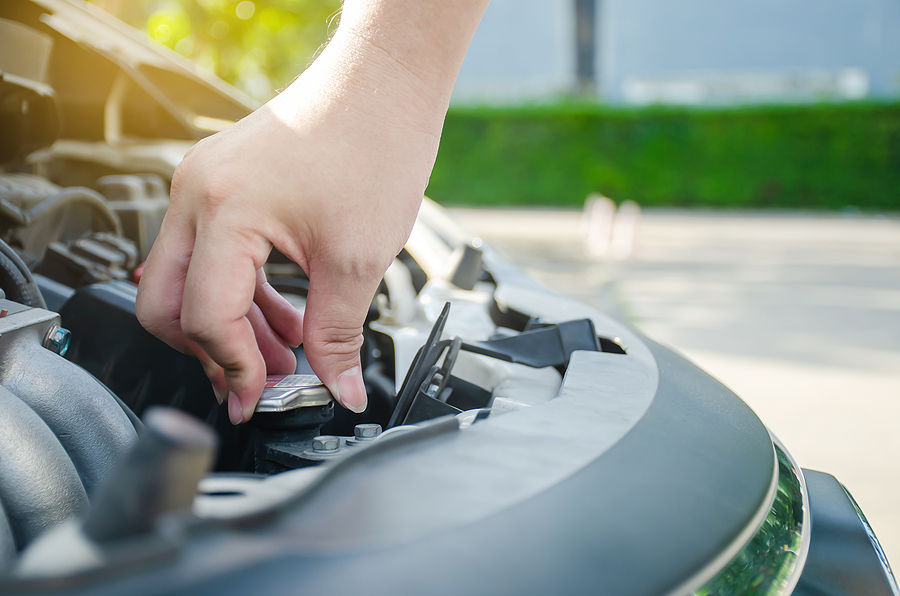
  • Locate Dipsticks: Park your car on a level surface. For engine oil, pull out the dipstick, wipe it clean, re-insert it fully, and then pull it out again to check the level. Most German cars have color-coded caps for different fluids.
  • Check Reservoirs: Coolant, brake fluid, and power steering fluid are typically held in translucent reservoirs with “min” and “max” markings, making it easy to see the current level.
  • Top Off as Needed: If a fluid is low, top it off with the correct type specified in your owner’s manual. Using the wrong fluid can cause significant damage.

Prioritize Tire Maintenance

Proper tire care is essential not just for safety but also for preventing costly damage to other parts of your car.

  • Proper Inflation: Underinflated or overinflated tires wear unevenly and can negatively impact fuel efficiency and handling. Check your tire pressure monthly. You can find the recommended pressure on a sticker inside the driver’s side doorjamb.
  • Tire Rotation: Regularly rotating your tires—typically every 5,000 to 7,500 miles—ensures they wear evenly, extending their lifespan.
  • Wheel Alignment: If your wheels are misaligned, it can cause rapid and uneven tire wear. More importantly, it puts extra stress on your suspension system, potentially leading to repairs costing between $500 and $1,500.

Call Our German Car Mechanics for Service Today!

Keep an Eye on Your Brakes

Your braking system is a critical safety feature, and ignoring signs of wear can lead to dangerous situations and expensive brake repairs.

  • Brake Pads: These create the friction needed to stop your car. When they wear thin, you might hear a squealing or grinding noise.
  • Rotors: These are the discs the pads clamp onto. If you continue driving with worn-out pads, the metal backing can grind against the rotors, scoring them. Replacing scored rotors can cost $500 to $1,000 per axle—a much higher price than a simple pad replacement.
  • Calipers: These house the brake pads and pistons. A regular inspection can catch issues like leaks or sticking calipers before they become major problems.

Follow Scheduled Maintenance

German car manufacturers provide detailed service schedules for a reason. Following these recommended intervals for your BMW, Audi, or Mercedes is the best way to ensure its longevity and performance. Services like spark plug replacement, timing belt changes, and fluid flushes are designed to prevent larger, more expensive issues from developing. While it might seem costly at the time, this scheduled German car maintenance is an investment that pays off.

Address Minor Issues Promptly

That small rattle, strange noise, or warning light on your dashboard is your car’s way of telling you something is wrong. Ignoring these early warnings can allow a minor issue to snowball into a major failure. For example, a small coolant leak can lead to an overheated engine, and a slightly vibrating steering wheel could be an early sign of a suspension problem. Addressing these issues quickly is a core principle of preventative auto repair.

Find a Qualified German Car Mechanic

While some maintenance can be done at home, many repairs require specialized knowledge and tools. General mechanics may not have the specific training or diagnostic equipment needed for German vehicles. Finding a specialist who regularly works on brands like BMW, Mercedes, and Audi is crucial. An experienced German car mechanic will understand the common quirks of these vehicles and can diagnose problems more accurately, saving you time and money.

Conclusion

The appeal of a German car is its blend of performance and sophisticated design. By embracing a proactive approach to German car care, you can ensure your vehicle remains a source of joy, not a financial burden. Regular fluid checks, diligent tire maintenance, and timely inspections are not expenses—they are investments in your car’s health and your peace of mind. Taking these steps will help you avoid a staggering auto repair bill and keep your car performing at its peak.

Ready to give your car the expert care it deserves? Our certified mechanics specialize in German vehicles and are here to help.

Schedule Maintenance with Our Experts

Related Post: Avoiding Financial Pitfalls: How to Save Money on High-End Car Repairs

Why Won’t My Vehicle Start? A Guide for German Car Drivers

Experiencing trouble starting your German car can be frustrating, especially with models like the BMW 3 Series, VW Golf, and Audi A4 known for their precision engineering. The sinking feeling when you turn the key and hear a slow crank, a rapid click, or complete silence is something no driver wants. At Autohaus Dierolf in Carmel, Indianapolis, we frequently address these car starting problems, which can range from simple battery issues to more complex electrical faults.

Understanding the potential causes behind these issues is the first step toward a solution. This comprehensive guide will walk you through the common reasons your German car won’t start, the specific symptoms to look for, and the diagnostic steps you can take. If you’re in the Carmel, Indiana, area and find yourself needing expert assistance, our team is here to help get your prized vehicle back on the road.

Call 317-571-0800 For German Car Repair in Indianapolis Indiana
Call 317-571-0800 For German Car Repair & Diagnostics in Indianapolis Indiana

Understanding Car Starting Issues in German Make & Model Vehicles

Is It the Battery?

The battery is the heart of your car’s electrical system, and it’s often the first suspect when you have trouble starting your vehicle. However, it’s a common misconception that if a car won’t start, it must be the battery. While frequently the culprit, other issues can mimic a battery problem.

Common Symptoms of Battery Issues

  • Slow Cranking: The engine turns over sluggishly, struggling to start. This indicates the battery doesn’t have enough power to turn the starter motor effectively.
  • Clicking Noise: A rapid, machine-gun-like clicking sound when you turn the key is a classic sign of a weak or dead battery. The clicking is the starter solenoid engaging and disengaging because there isn’t enough voltage.
  • No Noise at All: Complete silence could mean the battery is completely drained or there’s a break in the electrical circuit.
  • Dim Headlights: If your headlights and interior lights are faint when you try to start the car, the battery is likely low on charge.

How to Diagnose Battery Problems

  • Voltage Test: Use a multimeter to check the battery’s voltage. A fully charged battery should read between 12.6 and 12.8 volts. A reading below 12.4V suggests it needs recharging, and a reading below 12.0V often means the battery needs to be replaced.
  • Inspect Terminals: Look for corrosion (a white or greenish buildup) on the battery terminals. This can interfere with the electrical connection. Clean the terminals with a wire brush and a mixture of baking soda and water if necessary.

Could It Be the Starter Motor?

If the battery seems fine but the engine still won’t crank, the starter motor could be the problem. The starter is a small electric motor that turns the engine over to begin the combustion process.

Symptoms of a Failing Starter

  • Single Loud Click: You hear one loud click when turning the key, but the engine doesn’t turn over. This suggests the starter solenoid is engaging, but the motor itself isn’t working.
  • Whirring or Grinding Noise: A high-pitched whirring or grinding sound after you turn the key indicates the starter is spinning but not engaging with the engine’s flywheel.
  • Smoke or Burning Smell: Smoke coming from under the hood can be a sign of an overheating or electrically-shorted starter motor.

Testing the Starter Motor

Diagnosing a starter requires more technical skill. A starter motor draw test can be performed by a professional to measure the electrical current it pulls. Excessive draw can indicate an internal short.

What About the Alternator?

The alternator recharges the battery while the engine is running and powers the car’s electrical systems. A failing alternator won’t recharge the battery, which will eventually lead to a car that won’t start.

Signs of a Bad Alternator

  • Warning Lights: A battery or “ALT” warning light on your dashboard is a clear indicator of a charging system problem.
  • Flickering Lights: Your headlights or dashboard lights may flicker or dim while driving.
  • Starts and Immediately Dies: Sometimes, a car with a bad alternator might start using the battery’s residual charge but will stall shortly after because it can’t sustain electrical power.

An alternator output test can confirm if it’s functioning correctly. A mechanic will check its voltage and current output while the engine is running.

Reach Out to Our German Automotive Mechanics Today!

Fuel System Complications

For an engine to run, it needs fuel. A problem within the fuel system can prevent your car from starting, even if the electrical components are working perfectly.

Common Fuel System Issues

  • Clogged Fuel Filter: A dirty filter can restrict fuel flow to the engine.
  • Failing Fuel Pump: If the fuel pump is weak or has failed, it won’t deliver enough fuel for combustion. You might hear a faint whining noise from the fuel tank area when the car is on.
  • Clogged Fuel Injectors: Injectors can become clogged over time, preventing them from delivering the precise amount of fuel needed.

A fuel pressure test is the standard diagnostic procedure. A gauge is attached to the fuel rail to verify that the fuel pressure is within the manufacturer’s specified range for your model, such as an Audi A4 or VW Golf.

Ignition System Faults

The ignition system creates the spark that ignites the fuel-air mixture in the engine. In precision-engineered German cars, this system is critical. A fault here means no spark, and no spark means no start.

Key Ignition Components to Check

  • Worn Spark Plugs: Spark plugs wear out over time. A visual spark plug inspection can reveal wear, fouling, or damage.
  • Faulty Ignition Coils: Each spark plug has an ignition coil that provides the high voltage needed to create a spark. If one fails, it can lead to misfires or a no-start condition.
  • Bad Ignition Switch: The switch you turn with your key can fail, preventing power from reaching the starter motor and ignition system.

Other Potential Starting Problems

Beyond the major systems, several other components can cause starting issues in modern German cars.

  • Immobilizer Issues: Advanced security systems in cars like the BMW 3 Series can sometimes malfunction. If the car’s computer doesn’t recognize the key, the immobilizer will prevent the engine from starting. A common symptom is the car starting and then immediately shutting off. A specialized immobilizer system scan is needed to diagnose this.
  • Crankshaft Position Sensor: This sensor tells the engine’s computer the position and speed of the crankshaft. If it fails, the computer won’t know when to fire the spark plugs, and the car won’t start.
  • Blown Fuses or Bad Relays: A simple blown fuse or a faulty relay can interrupt power to critical components like the fuel pump or starter.
  • Wiring and Electrical Connections: Loose or corroded wires can cause intermittent starting problems that are often tricky to diagnose without a thorough inspection.

Getting Back on the Road

Troubleshooting car starting problems can be complex, especially with the sophisticated systems in German vehicles. While basic checks like inspecting the battery are straightforward, many issues require specialized tools and expertise. Using an OBD-II car code reader can provide valuable diagnostic trouble codes (DTCs) that point you in the right direction.

Regular maintenance is the best way to prevent these issues. Adhering to your vehicle’s service schedule, keeping battery terminals clean, and using high-quality fuel can make a significant difference. If you notice any warning signs like slow cranking or unusual noises, address them promptly to avoid getting stranded.

For drivers in Carmel, Indianapolis, finding a reputable German car mechanic is crucial. At Autohaus Dierolf, we have the advanced diagnostic tools and specialized knowledge to accurately identify and fix any issue. If your German car won’t start, don’t guess—get an expert diagnosis. Schedule a Service Appointment with us today, and let our specialists ensure your vehicle performs as it should.

Call Now to Book Service

Related Post: How to Figure Out Why Your Car Won’t Start

When to Call a Porsche Mechanic: Essential Guide for Luxury Car Owners

Owning a Porsche is more than just having a car—it’s possessing a piece of German engineering excellence that demands specialized care. While these high-performance vehicles are built to last, knowing when to seek professional help from a qualified Porsche mechanic can mean the difference between minor maintenance and costly repairs. Understanding the warning signs and maintenance requirements will help you protect your investment and keep your Porsche performing at its peak.

Whether you drive a sleek 911, a versatile Cayenne, or a dynamic Macan, recognizing when professional intervention is necessary ensures your vehicle maintains its legendary performance and value. Many Porsche owners struggle with uncertainty about when to seek help, often waiting too long or worrying about the high costs associated with specialized repairs.

This comprehensive guide will help you identify the critical moments when calling a Porsche mechanic becomes essential, from routine maintenance schedules to emergency situations that require immediate attention.

Call 317-571-0800 When You Need a Trusted Porsche Mechanic in Indianapolis Indiana

Regular Maintenance vs. Unexpected Issues

Understanding the distinction between scheduled Porsche maintenance and unexpected problems is crucial for every owner. Regular maintenance follows manufacturer-recommended intervals and includes services like oil changes, brake inspections, and tire rotations. These routine services help prevent major issues and maintain your vehicle’s warranty coverage.

Unexpected issues, however, require immediate attention from a qualified Porsche repair specialist. These problems often manifest as unusual symptoms that deviate from your vehicle’s normal operation. While regular maintenance can be somewhat predictable in timing and cost, unexpected repairs can vary significantly in complexity and expense.

The key difference lies in planning and urgency. Scheduled maintenance allows you to budget and plan ahead, while unexpected issues demand prompt action to prevent further damage. A German car specialist can help you distinguish between what constitutes normal wear and what signals a potential problem requiring immediate intervention.

Warning Signs That Demand Professional Attention

Unusual Noises

Your Porsche should operate with the smooth, refined sounds of precision engineering. Any deviation from normal operational noise warrants professional evaluation. Grinding sounds from the brakes may indicate worn pads or rotors, while knocking from the engine could signal serious internal damage requiring immediate attention.

Squealing belts, rattling exhaust components, or clicking sounds during turns are all indicators that specific systems need inspection. These unusual car noises often start subtle but progressively worsen, making early intervention crucial for preventing more extensive damage.

Dashboard Warning Lights

Modern Porsches feature sophisticated diagnostic systems that monitor various vehicle functions. When warning lights appear on your dashboard, they’re communicating specific concerns that require professional interpretation. Check engine lights, ABS warnings, or oil pressure indicators should never be ignored.

Each warning light corresponds to particular systems, and a qualified Porsche mechanic has the specialized diagnostic equipment to interpret these codes accurately. Generic code readers may provide basic information, but Porsche-specific diagnostic tools offer the detailed analysis necessary for proper repairs.

Changes in Performance

Porsches are renowned for their consistent, high-level performance. Any noticeable changes in acceleration, handling, or overall driving dynamics should prompt immediate professional evaluation. These changes might include reduced power, rough idling, or difficulty starting.

Performance changes often indicate underlying issues with critical systems like fuel injection, ignition, or transmission. Early detection and repair of these problems can prevent more extensive damage and maintain your vehicle’s performance characteristics.

Book a Pre-Purchase Inspection Today!

Critical Issues Requiring Immediate Professional Intervention

Engine Problems

Engine issues in Porsches can range from minor sensor failures to major internal component damage. Engine misfires, unusual knocking sounds, or significant oil consumption require immediate attention from a specialist familiar with Porsche engines. These problems can quickly escalate, potentially requiring engine rebuilds if left unaddressed.

Oil leaks from the engine, while sometimes minor, can indicate seal failures that may lead to more serious issues. A Porsche repair expert can determine whether simple seal replacements or more comprehensive repairs are necessary.

Transmission Issues

Porsche transmissions, whether manual or automatic, are precision instruments requiring specialized knowledge for proper repair. Symptoms like slipping gears, delayed engagement, or unusual shifting patterns indicate problems that demand immediate professional attention.

Transmission fluid leaks, grinding noises during gear changes, or complete transmission failure require expertise with Porsche-specific components and repair procedures. Attempting repairs with non-specialized mechanics often leads to more extensive damage and higher costs.

Brake System Malfunctions

Safety should never be compromised, making brake issues absolute priorities for professional intervention. ABS malfunctions, brake pedal changes, or unusual noises during braking require immediate evaluation by a qualified technician.

Brake system problems can include worn rotors and pads, hydraulic system failures, or electronic component malfunctions. Each requires specific expertise and genuine Porsche parts for safe, effective repairs.

Suspension and Handling Problems

Changes in ride quality, unusual tire wear patterns, or handling characteristics that feel different from normal operation indicate suspension problems requiring professional diagnosis. These issues affect both safety and driving enjoyment, making prompt attention essential.

Suspension repairs often involve complex components that require specialized tools and knowledge for proper installation and alignment.

Buying a Porsche? Consider scheduling a prepurchase inspection if you’re buying a used Porsche, as this service can identify potential issues before they become your responsibility.

The Importance of German Car Specialists

General automotive mechanics, while skilled in their field, may lack the specialized knowledge required for proper Porsche maintenance and repair. German car specialists like Autohaus Dierolf in Carmel, understand the unique engineering principles, specific torque specifications, and particular quirks that distinguish Porsches from other vehicles.

These specialists invest in Porsche-specific diagnostic equipment, training, and genuine parts access that general mechanics typically don’t possess. This specialization translates to more accurate diagnoses, appropriate repairs, and maintained vehicle integrity.

Using non-specialist mechanics can lead to misdiagnoses, inappropriate repairs, and the use of aftermarket parts that may compromise performance and value. The initial cost savings often result in higher long-term expenses and potential safety concerns.

Frequently Asked Questions

How often should I service my Porsche?

Follow manufacturer recommendations, typically every 10,000-15,000 miles for basic service, with major services at longer intervals. Your specific model and driving conditions may require more frequent attention.

What are the common maintenance issues with Porsches?

Common issues include oil leaks, brake wear, suspension components, and electrical system problems. Regular maintenance helps prevent many of these issues.

Why is Porsche maintenance so expensive?

Specialized parts, advanced technology, and the expertise required for proper service contribute to higher costs. However, proper maintenance prevents more expensive repairs.

Can I take my Porsche to any mechanic?

While possible, German car specialists provide superior service due to their specialized knowledge, equipment, and parts access.

Are aftermarket Porsche parts okay to use?

Genuine Porsche parts ensure optimal performance and maintain warranty coverage. Quality aftermarket parts may be acceptable for some applications, but consultation with a specialist is recommended.

How important is a pre-purchase inspection?

Extremely important for used Porsches, as these inspections can identify hidden issues and help you make informed purchasing decisions.

In Summary

Your Porsche represents a significant investment in automotive excellence, and protecting that investment requires partnering with qualified professionals who understand the intricacies of German engineering. Recognizing when to seek help, rather than waiting for problems to escalate, ultimately saves money and maintains your vehicle’s performance and value.

The relationship between a Porsche owner and their trusted mechanic extends beyond simple repairs—it’s about maintaining the driving experience that makes these vehicles special. By understanding the warning signs and maintenance requirements outlined in this guide, you’re better equipped to make informed decisions about your vehicle’s care.

Don’t wait for small issues to become major problems. Schedule a German car inspection today to ensure your vehicle continues delivering the exceptional performance and reliability you expect from this legendary brand.

Call Now to Book Your Appointment

Related Post: Five Essential Tips for Keeping Your Porsche Pristine

How to Store Your Luxury Car Long-Term Without Damage

Your BMW, Mercedes-Benz, Audi, Volkswagen, or Porsche represents more than just transportation—it’s a significant investment that deserves proper care, especially during extended storage periods. Whether you’re heading out for the winter months, deploying overseas, or simply keeping a collector’s vehicle safe, proper luxury car storage can mean the difference between finding your prized possession in pristine condition or discovering costly damage.

Neglecting proper storage precautions can lead to serious consequences. Weather exposure causes rust and paint deterioration, while battery drain can result in complete failure. Tire degradation creates flat spots that affect your driving experience, and humidity buildup leads to interior mold and mildew growth. Fluid leaks and component corrosion can turn what should be a joyful reunion into an expensive repair bill.

The good news? With the right preparation and knowledge, you can protect your luxury vehicle from these risks and ensure it emerges from storage ready to deliver the performance and comfort you expect.

Call 317-571-0800 to Book a Pre-Storage Car Inspection in Carmel Indiana

Preparing Your Luxury Vehicle for Storage

Before placing your luxury car into storage, thorough preparation sets the foundation for successful long-term care.

Complete Cleaning Inside and Out

Start with a comprehensive wash and detail. Clean your vehicle’s exterior thoroughly, removing all dirt, salt, and contaminants that could cause corrosion over time. Don’t forget the undercarriage, where road salt and debris commonly accumulate.

Inside, vacuum all surfaces and clean leather upholstery with appropriate conditioners. Remove all food items, papers, and personal belongings that could attract pests or create unpleasant odors.

Essential Service and Fluid Checks

Schedule a pre-storage service appointment to address any maintenance needs. Check and change the oil if it’s nearing its service interval—fresh oil prevents contaminants from sitting in your engine. Inspect coolant levels and ensure the mixture ratio is appropriate for your climate zone. In colder regions, verify your coolant can handle freezing temperatures.

Top off brake fluid, power steering fluid, and windshield washer fluid. These steps prevent corrosion and ensure all systems remain properly lubricated during the storage period.

Fuel Stabilization and Tank Treatment

Fill your fuel tank completely to prevent condensation buildup, then add a high-quality fuel stabilizer designed for your specific engine type. This prevents fuel degradation and gum formation that can clog fuel injectors and damage your fuel system. Run the engine for a few minutes after adding the stabilizer to circulate it throughout the fuel system.

Protecting the Exterior

Your luxury vehicle’s exterior requires careful consideration during storage, starting with choosing the right location.

Indoor vs. Outdoor Storage Options

Indoor storage offers superior protection from weather elements, providing stable temperature and humidity levels while reducing theft and vandalism risks. However, it comes with higher costs and limited availability, particularly in urban areas. Indoor facilities may also pose pest infestation risks if not properly maintained.

Outdoor storage presents a more affordable option with greater availability, making it suitable for short-term needs. However, exposure to weather elements accelerates rust, paint damage, and interior fading while increasing security risks and requiring more extensive preparation.

For coastal regions, indoor storage becomes even more critical due to salt air exposure. Desert climates benefit from indoor storage to protect against extreme UV damage.

High-Quality Car Cover Selection

Invest in a breathable car cover specifically designed for your vehicle model. Breathable materials prevent moisture buildup while protecting against dust, scratches, and UV damage. Avoid plastic covers that trap moisture and can cause more harm than good.

If storing outdoors, choose a location with natural shade when possible. Even with a quality cover, minimizing direct sun exposure helps preserve your vehicle’s paint and interior components.

Tire Preservation Techniques

Proper tire care prevents flat spots and degradation during storage. Inflate tires to the recommended pressure, as they naturally lose air over time. For extended storage periods, consider placing your vehicle on jack stands to remove weight from the tires entirely, though this requires more preparation and storage space.

Book German Car Auto Service Today!

Maintaining the Interior

Luxury vehicle interiors require special attention to prevent deterioration and maintain their premium feel.

Leather and Upholstery Protection

Clean and condition all leather surfaces before storage. Apply a high-quality leather conditioner to prevent cracking and drying. For fabric upholstery, ensure all surfaces are clean and completely dry to prevent mold growth.

Mold and Mildew Prevention

Place moisture absorbers throughout the interior to control humidity levels. Silica gel packets or commercial moisture absorbers work effectively in enclosed spaces. Leave windows slightly cracked if storing in a secure indoor facility to promote air circulation, but avoid this practice with outdoor storage due to security and weather concerns.

Pest Control Measures

Remove all food items and crumbs that might attract rodents. Consider placing mothballs or dryer sheets in the interior and engine bay to deter pests, but use these sparingly and remove them before driving the vehicle again.

Battery Care

Your luxury vehicle’s battery requires special attention during extended storage periods.

Disconnecting the Battery

Disconnect the negative battery terminal to prevent drain from electronic systems that continue operating even when the car is off. Modern luxury vehicles have numerous electronic components that draw power continuously.

Battery Maintainers and Trickle Chargers

Consider investing in a quality battery maintainer or trickle charger designed for your vehicle type. These devices provide a slow, steady charge that keeps your battery at optimal levels without overcharging. This approach is particularly important for vehicles with complex electronic systems that require consistent power to maintain their memory settings.

Regular Maintenance During Storage

Even stored vehicles benefit from periodic attention.

Periodic Inspections

Check on your stored vehicle monthly if possible. Look for signs of pest intrusion, fluid leaks, or any developing issues that require attention.

Engine Startup Considerations

Starting your engine briefly every few weeks can help circulate fluids and prevent seals from drying out. However, only do this if you can drive the vehicle long enough to reach operating temperature—short startups that don’t fully warm the engine can cause more harm than good by introducing moisture into the system.

Preparing to Take Your Vehicle Out of Storage

When it’s time to reunite with your luxury vehicle, proper preparation ensures a smooth transition back to regular use.

Comprehensive Inspection Checklist

Begin with a thorough visual inspection. Check for any signs of damage, leaks, or pest intrusion. Examine tires for proper inflation and any signs of deterioration.

Fluid Top-Ups and System Checks

Inspect and top off all fluids including oil, coolant, brake fluid, power steering fluid, and windshield washer fluid. Reconnect the battery and verify it holds a proper charge.

Test the brake system thoroughly before driving. Stored vehicles often develop slight brake system issues that require attention before safe operation.

Test Drive and Professional Service

Conduct a brief test drive in a safe area to identify any unusual noises or handling issues. Pay attention to how the vehicle feels and sounds compared to your memory of its pre-storage condition.

Schedule a comprehensive service appointment for a detailed inspection and maintenance check. Professional technicians can identify issues that might not be apparent during your initial inspection.

Additional Regional Considerations

Your geographic location influences storage requirements. Colder climates require attention to coolant mixtures and potential freezing issues. Coastal areas demand extra protection against salt air corrosion—consider additional washing and protective coatings before storage.

Desert regions benefit from UV-protective measures and careful attention to rubber components that degrade quickly in extreme heat.

Always verify local regulations and HOA rules regarding long-term vehicle storage to avoid compliance issues.

Conclusion

Proper luxury car storage protects both your financial investment and your driving enjoyment. The time and effort invested in correct storage procedures pale in comparison to the cost of repairing damage from neglect.

Remember to inform your insurance company about extended storage periods—many insurers offer reduced premiums for stored vehicles, providing additional savings during the storage period.

Your luxury vehicle deserves the same level of care it provides you on the road. By following these comprehensive storage guidelines, you ensure your BMW, Mercedes-Benz, Audi, Volkswagen, or Porsche will be ready to deliver the exceptional performance and comfort you expect when you’re ready to drive again.

Schedule your service appointment with Autohaus Dierolf today to ensure your luxury vehicle is thoroughly inspected and prepared for safe, worry-free storage. Our expert technicians will handle everything from fluid checks to battery maintenance, giving you peace of mind while your vehicle is stored.

Book Your Tune-Up Now

Related Post: How to Make Your German Car Last Longer: Expert Tips and Tricks

Protecting Your Ride: Quick Guide to Maintaining Your Vehicle’s Factory Warranty

Your new car represents a significant investment, and the factory warranty that comes with it serves as your financial safety net against unexpected repairs. However, many vehicle owners unknowingly compromise their warranty coverage through simple oversights or misunderstandings about their responsibilities.

A factory warranty can save you thousands of dollars in repair costs, but only if you maintain it properly. From following maintenance schedules to using the right parts, every decision you make about your vehicle’s care can impact your warranty coverage. Understanding these requirements isn’t just about avoiding costly mistakes—it’s about protecting your investment and ensuring your vehicle remains reliable for years to come.

This comprehensive guide will walk you through the essential steps to maintain your vehicle’s factory warranty, helping you avoid common pitfalls that could leave you facing expensive repairs out of pocket.

Call 317-571-0800 For German Factory Car Maintenance in Indianapolis

Understanding Your Factory Warranty

A factory warranty is a manufacturer’s promise to repair or replace defective parts and systems in your vehicle for a specified period or mileage limit. Most new vehicles come with two primary types of coverage: bumper-to-bumper warranties and powertrain warranties.

Bumper-to-bumper warranties, also called comprehensive warranties, typically cover most components of your vehicle for three to five years or 36,000 to 60,000 miles, whichever comes first. This coverage includes electrical systems, air conditioning, infotainment systems, and most mechanical components, excluding routine maintenance items like brake pads and oil filters.

Powertrain warranties focus specifically on the engine, transmission, and drivetrain components. These warranties often extend longer than bumper-to-bumper coverage, sometimes lasting up to 10 years or 100,000 miles. Understanding these distinctions helps you know what’s covered and for how long, allowing you to make informed decisions about repairs and maintenance.

Following the Recommended Maintenance Schedule

Adhering to your manufacturer’s recommended maintenance schedule represents the most critical factor in maintaining warranty coverage. Car manufacturers design these schedules based on extensive testing and engineering data, specifying exactly when services like oil changes, filter replacements, and fluid checks should occur.

Common maintenance tasks include oil changes every 5,000 to 10,000 miles depending on your vehicle, tire rotations every 5,000 to 7,500 miles, brake fluid checks, coolant system maintenance, and air filter replacements. Each of these services plays a vital role in preventing larger mechanical issues that could compromise your warranty.

Neglecting scheduled car maintenance doesn’t just risk mechanical problems—it can void your warranty entirely. If your engine fails due to lack of oil changes, or your transmission breaks down because you skipped fluid services, the manufacturer can rightfully deny warranty coverage. The cost of these routine services pales in comparison to major repairs that warranty denial could force you to pay.

Keeping Accurate Car Records

Detailed record-keeping serves as your primary defense against warranty disputes and claim denials. Every service, repair, and maintenance activity should be documented with dates, mileage, parts used, and the service provider’s information.

Organize your records using digital files, cloud storage, or physical folders—whatever system works best for your lifestyle. Many vehicle owners find success with smartphone apps designed for car maintenance tracking, while others prefer traditional paper records kept in their glove compartment. The key lies in consistency and completeness.

These records become crucial evidence when filing warranty claims. Service advisors and warranty administrators use this documentation to verify that you’ve met your maintenance obligations. Without proper records, even legitimate warranty claims can face denial, leaving you responsible for expensive repairs that should have been covered.

Book Your Next German Car Maintenance Service

Using OEM or Approved Parts

Original Equipment Manufacturer (OEM) parts represent the gold standard for warranty compliance. These components meet the exact specifications your vehicle manufacturer designed, ensuring optimal performance, reliability, and continued warranty coverage.

Using non-OEM parts creates significant risks for your car warranties. Consider this scenario: a vehicle owner saves money by installing aftermarket brake pads instead of OEM parts. Later, when the brake system experiences premature failure, the manufacturer investigates and discovers the non-approved parts. The warranty claim gets denied because the aftermarket parts didn’t meet specifications, potentially causing the system failure.

When having your vehicle serviced, insist on OEM parts for critical components like engine parts, transmission components, brake systems, and electrical components. While aftermarket parts might cost less initially, they can void your warranty and lead to far greater expenses down the road.

Having Repairs Done by Qualified Technicians

The expertise of your service technician directly impacts your warranty coverage. Certified technicians like Autohaus Dierolf in Carmel, Indiana understand manufacturer specifications, proper procedures, and warranty requirements, reducing the risk of errors that could void your coverage.

Unauthorized or unqualified mechanics pose significant risks to factory warranty coverage. Consider this example: a vehicle owner attempts a DIY oil change but accidentally uses the wrong filter and doesn’t properly tighten the drain plug. The resulting oil leak damages the engine, but when the owner files a warranty claim, the manufacturer discovers the improper installation and denies coverage.

For warranty-related repairs and routine maintenance, choose authorized service centers whenever possible. These facilities maintain direct relationships with manufacturers, use approved procedures, and provide documentation that warranty administrators readily accept. While independent shops can perform quality work, authorized centers eliminate potential warranty complications.

Avoiding Modifications That Void the Warranty

Vehicle modifications present one of the fastest ways to compromise warranty coverage. Performance upgrades like turbochargers, engine tuning, suspension modifications, and exhaust system changes can all void car warranties by altering how your vehicle operates beyond manufacturer specifications.

These modifications affect your vehicle’s performance and reliability in ways that manufacturers haven’t tested or approved. Racing activities or competitive driving also void most warranties, as these uses exceed normal operating conditions that warranty coverage contemplates.

Before making any modifications, consult with your manufacturer or authorized dealer about potential warranty implications. Some modifications might only void coverage for related systems, while others could eliminate warranty protection entirely. Understanding these consequences helps you make informed decisions about customizing your vehicle.

Knowing Your Rights and Responsibilities

Understanding warranty laws protects you from unfair claim denials and helps you navigate disputes effectively. Federal regulations require manufacturers to honor valid warranty claims and prohibit them from voiding coverage without proper justification.

Your responsibilities include following maintenance schedules, using approved parts, maintaining proper records, and operating your vehicle within normal parameters. However, you also have rights, including the right to have warranty work performed at any authorized facility, the right to use aftermarket parts for non-warranty repairs without affecting coverage, and the right to dispute claim denials.

When warranty disputes arise, start by reviewing your warranty documentation and maintenance records. Contact the manufacturer’s customer service department to discuss the issue. Many disputes resolve through direct communication, but persistent problems might require assistance from consumer protection agencies or legal counsel.

Common Warranty Violations to Avoid

Several situations can inadvertently void your factory warranty coverage. Accident damage, vehicle misuse, and neglect all fall outside warranty protection since these result from external factors rather than manufacturing defects.

Environmental damage from floods, hail, or extreme weather conditions typically voids coverage, as does racing or competitive driving that exceeds normal use parameters. Using your vehicle for commercial purposes beyond manufacturer recommendations can also affect warranty coverage.

Understanding these exclusions helps you avoid car warranty violation and maintain protection for legitimate manufacturing defects and component failures.

Frequently Asked Questions

Can I take my car to any mechanic without voiding the warranty?

While you can use independent mechanics for routine maintenance, warranty-related repairs should be performed at authorized facilities to ensure proper procedures and documentation.

What happens if my warranty claim is denied?

Review the denial reason, gather supporting documentation, and contact the manufacturer’s customer service department. Many denials result from misunderstandings or incomplete information that can be resolved.

Do extended warranties work the same as factory warranties?

Extended warranties are separate products with different terms, conditions, and coverage areas. Read the fine print carefully to understand what’s included and excluded.

How important is keeping maintenance receipts?

Maintenance receipts provide crucial evidence of warranty compliance. Without proper documentation, legitimate claims may face denial due to inability to prove required maintenance was performed.

Key Points

Maintaining your vehicle’s factory warranty requires attention to detail, proper documentation, and adherence to manufacturer guidelines. By following recommended maintenance schedules, using OEM parts, working with qualified technicians, and keeping accurate records, you protect both your vehicle’s reliability and your financial investment.

The small effort required to maintain warranty compliance pays significant dividends when unexpected repairs arise. A single major warranty claim can save thousands of dollars, making these preventive measures incredibly valuable.

Don’t wait until problems develop—take proactive steps now to ensure your German Car’s warranty remains valid throughout its coverage period. Schedule your next maintenance appointment with Autohaus Dierolf today and establish the habits that will protect your vehicle and your wallet for years to come.

Schedule Car Maintenance Now

Related Post: German Car Maintenance Guide: Recommended Schedule for Longevity

Smart Savings: Your Complete Guide to Used German Auto Parts

Maintaining a German car feels like a badge of honor until you receive that first repair estimate. Whether you drive an Audi, BMW, Volkswagen, or Mercedes-Benz, the sticker shock of genuine parts can make even seasoned car enthusiasts reconsider their loyalty to German engineering.

The good news? You don’t have to choose between quality and affordability. Used auto parts offer a practical solution that can cut your repair costs in half while maintaining the performance and reliability your German vehicle demands. This comprehensive guide will walk you through everything you need to know about sourcing, inspecting, and installing used German car parts.

From understanding different part conditions to finding reputable suppliers, you’ll discover how to make informed decisions that keep your vehicle running smoothly without breaking the bank.

Call 317-571-0800 When You Need Used German Auto Parts in Indianapolis Indiana

Finding Quality Used German Auto Parts

The foundation of a successful used parts purchase lies in choosing the right supplier. Not all used auto parts suppliers are created equal, especially when dealing with the precision engineering of German vehicles.

When searching for used German car parts, prioritize suppliers who specialize in European vehicles. These businesses understand the unique requirements of Audi, BMW, Volkswagen, and Mercedes-Benz models. They typically maintain detailed inventory records, including part numbers, compatibility information, and condition assessments.

Autohaus Dierolf in Carmel, Indiana exemplifies this specialized approach. As an auto repair shop focusing on German vehicles, we offer below-market-priced used auto parts specifically for German cars. Our expertise ensures you receive parts that meet the exacting standards your vehicle requires.

If outside of the Indianapolis areas, look for suppliers who provide detailed part histories, including mileage information and previous usage. Reputable dealers will also offer some form of warranty or return policy, demonstrating confidence in their inventory quality.

Understanding Used Part Conditions

Used auto parts come in various conditions, each suited to different needs and budgets. Understanding these categories helps you make informed purchasing decisions.

“Like New” parts show minimal wear and tear, functioning almost identically to new components. These parts often come from vehicles involved in minor accidents or those being upgraded with aftermarket components.

“Slightly Used” parts display some signs of use but maintain excellent working condition. They represent an excellent balance between cost savings and reliability for most applications.

“Used – Good Condition” parts show moderate wear but remain fully functional and reliable. These components work well for older vehicles or situations where maximum longevity isn’t the primary concern.

“Used – Fair Condition” parts have noticeable wear and tear but still function adequately. They’re suitable for budget repairs or temporary solutions while you save for higher-quality replacements.

“Reconditioned” parts have been professionally restored to good working condition. These components often provide the best value, combining affordability with renewed reliability.

Cost Comparison: New vs. Used Parts

The financial benefits of choosing used German auto parts become clear when you compare specific examples. Here’s what you can expect to save:

Brake pads for German vehicles typically cost $80 new, while quality used pads average $40—a 50% savings. Side mirrors, essential for safety and often damaged in parking lots, drop from $150 new to $75 used.

More expensive components show even greater savings potential. A headlight assembly that costs $300 new can be found used for $150. Alternators, crucial for your vehicle’s electrical system, cost $400 new but only $200 used.

For major components, the savings become substantial. An ECU (Engine Control Unit) costs $800 new but can be sourced used for $400. Catalytic converters, expensive due to precious metal content, drop from $1,200 new to $600 used.

These savings add up quickly, especially when multiple components need replacement. A comprehensive repair that might cost $2,000 in new parts could be completed for $1,000 using quality used alternatives.

View Our German Auto Parts Inventory!

Your Used Parts Inspection Checklist

Thorough inspection prevents costly mistakes and ensures you receive parts that meet your expectations. Start with a visual examination, looking for obvious damage, excessive wear, or signs of previous repair attempts.

Check all mounting points and connection interfaces. Cracks, stripped threads, or bent mounting tabs indicate potential installation problems or reduced reliability. Pay special attention to electrical connections on components like alternators or ECUs.

For mechanical parts, test all moving components. Bearings should rotate smoothly without binding or excessive play. Springs should compress and extend without resistance or permanent deformation.

Verify part numbers match your vehicle’s specifications exactly. German manufacturers often use multiple part revisions for the same model year, and using the wrong revision can cause compatibility issues.

Request documentation of the part’s history when possible. Mileage information, previous vehicle details, and removal circumstances provide valuable context for assessing remaining useful life.

Installation Guidelines for Used Parts

Proper installation maximizes the lifespan and performance of used auto parts. Some installations require professional expertise, while others can be handled by skilled DIY enthusiasts.

Simple components like brake pads, air filters, or interior trim pieces often allow for straightforward installation. However, complex systems like ECUs, transmission components, or safety-related items typically require professional installation to ensure proper function and maintain vehicle safety.

Professional installation becomes especially important for emissions-related components. Catalytic converters, oxygen sensors, and other emission control parts must be installed correctly to maintain your vehicle’s environmental compliance and avoid costly inspection failures.

When installing used parts yourself, always use new gaskets, seals, and hardware when possible. These inexpensive components ensure proper sealing and prevent leaks that could damage your investment.

Frequently Asked Questions

What are the advantages of buying used auto parts over new ones?

Used auto parts offer significant cost savings, typically 50% less than new parts. They’re also environmentally friendly, reducing waste and the demand for new manufacturing. For older vehicles, used parts may be the only option when new parts are discontinued.

How do I ensure the used part fits my specific German car model?

Always verify part numbers against your vehicle’s specifications. German manufacturers use precise part numbering systems, and even minor variations can affect compatibility. Consult your vehicle’s service manual or a knowledgeable parts specialist.

What should I do if the used auto part fails shortly after installation?

Contact your supplier immediately to discuss warranty options. Reputable suppliers typically offer return policies or warranties on used parts. Keep all documentation and receipts for warranty claims.

Are used OEM parts as reliable as new aftermarket parts?

Used OEM parts often provide better fit and function than new aftermarket alternatives. German manufacturers design OEM parts specifically for their vehicles, ensuring optimal performance and longevity when properly maintained.

Where can I find a reliable supplier of used German auto parts?

Look for suppliers specializing in European vehicles with established reputations. Local shops like Autohaus Dierolf often provide personalized service and expertise specific to German vehicles.

What is the typical warranty period for used auto parts?

Warranty periods vary by supplier and part type, typically ranging from 30 days to one year. More expensive components often carry longer warranties, while wear items may have shorter coverage periods.

Can using used parts affect my car’s performance or safety?

Quality used parts should not negatively impact performance or safety when properly selected and installed. However, safety-critical components should be inspected thoroughly and installed by qualified professionals.

How does buying used parts contribute to environmental sustainability?

Used parts reduce manufacturing demand, conserve raw materials, and prevent functional components from entering landfills. This circular economy approach significantly reduces the environmental impact of vehicle maintenance.

Conclusion

Choosing used auto parts for your German car represents more than just cost savings—it’s an investment in smart ownership. The substantial financial benefits, combined with environmental responsibility, make used parts an attractive option for maintaining your Audi, BMW, Volkswagen, or Mercedes-Benz.

Success depends on careful supplier selection, thorough inspection, and proper installation. By following these guidelines and working with knowledgeable specialists, you can enjoy the performance and reliability your German vehicle was designed to deliver without the premium price tag.

Remember that quality used parts often outperform cheap aftermarket alternatives while costing significantly less than new OEM components. Your German car deserves parts that match its engineering excellence, and quality used options provide exactly that opportunity.

Ready to start saving on your next German car repair? Contact Autohaus Dierolf today to explore our inventory of quality used German auto parts and discover how much you can save while maintaining your vehicle’s performance and reliability.

Ask About Your Part Right Now

Related Post: How To Choose the Right Parts When Repairing Your German Car

How to Find Trusted German Car Repair in Indianapolis

German cars are renowned for their precision engineering, stylish design, and unmatched performance. Whether you drive a BMW, Mercedes-Benz, Audi, or Volkswagen, it’s important to give your car the specialized care it deserves. But finding a trusted German car repair shop can feel overwhelming, especially when your vehicle’s performance and safety are at stake. 

This guide will walk you through everything you need to know about finding a reliable German car mechanic in Indianapolis. From understanding what makes German cars unique to evaluating local shops, we’ve got you covered. 

Carmel Indianapolis European Auto Repair
Carmel Indianapolis European Auto Repair 317-571-0800

Why Do German Cars Require Specialized Repairs? 

German cars are not like their American or Japanese counterparts. They are known for cutting-edge technology, high-performance engines, and advanced design. But these features also mean they require a deeper level of expertise when it comes to repair and maintenance. 

Here’s why specialized knowledge is essential for German car repair: 

  • Unique Engineering: German vehicles often use sophisticated technologies like turbocharged engines, dual-clutch transmissions, and advanced braking systems. 
  • Precision Manufacturing: These cars are built to exacting standards, which means repairing them requires precise attention to detail. 
  • Technology-Driven Diagnostics: Modern German cars rely heavily on electrical systems and onboard computers that demand specialized diagnostic tools. 

Without a trusted German car repair shop such as Autohaus Dierolf in Carmel, IN, you risk improper repairs that could lead to performance issues or damage. 

Steps to Find a Reputable German Car Mechanic 

1. Research Local Mechanics 

Start by searching for “German car repair near me” or “European automotive repair shop in Indianapolis” on Google. Focus on mechanics or shops that explicitly specialize in German vehicles. Look for services like brake repairs, oil changes, electrical diagnostics, or even transmission work for German cars. 

Quick Tip: A well-designed website can be a good indicator of a professional and organized shop. Look for information on their expertise with German cars, the tools they use, and testimonials from local customers. 

2. Check Credentials and Certifications 

Not all mechanics are created equal. Ensure that the mechanic or repair shop holds certifications such as ASE (Automotive Service Excellence) or manufacturer-specific credentials for brands like BMW or Audi. 

Why This Matters: Certified mechanics are trained to handle the intricacies of German car maintenance and repairs, ensuring your vehicle is in capable hands. 

3. Read Online Reviews and Testimonials 

Customer feedback is one of the most reliable ways to gauge the quality of a repair shop. Check platforms like Google Reviews, Yelp, or even the Better Business Bureau for insights into other customers’ experiences. 

What to Look For: 

  • Frequent praise for professionalism and expertise in German car repair. 
  • Positive mentions about transparency in pricing and diagnostics. 
  • Feedback highlighting successful complex repairs like engine overhauls or electrical diagnostics. 

4. Ask for Recommendations 

Do you know someone else who owns a German car? Word-of-mouth referrals from fellow German car enthusiasts in Indianapolis can be incredibly valuable. Their firsthand experiences can help you identify trustworthy shops, like Autohaus Dierolf, that might not appear on your initial search. 

5. Evaluate Shop Equipment and Technology 

German cars depend on advanced diagnostic systems that require state-of-the-art equipment. Ensure the repair shop is equipped with specialized tools like OBD scanners and OEM-certified parts. 

Pro Tip: A modern repair shop with up-to-date technology is far more capable of accurately diagnosing and fixing issues in German cars compared to a general auto mechanic. 

6. Get a Detailed Estimate 

Before committing to any repairs, request a detailed cost estimate. The shop should be transparent about labor, parts, and potential additional costs. 

What to Ask For: 

  • Are they using genuine parts or aftermarket alternatives? 
  • Can they explain each cost item in detail? 
  • How long will the repair take? 

This ensures you avoid unexpected costs and understand what you’re paying for. 

Book German Car Repair Service Today

Why Trusting the Right Mechanic is Worth It 

A trusted German car mechanic isn’t just someone who fixes your vehicle when it’s not running well. They’re a partner in maintaining your car’s performance for years to come. At the right shop, you’ll find mechanics who understand the nuances of brands like Mercedes-Benz, Audi, BMW, and Volkswagen and are fully prepared to bring out the best in your vehicle. 

FAQs About German Car Repair in Indianapolis 

What makes German car repair different from other car repairs? 

German cars feature advanced engineering, unique designs, and sophisticated electrical systems, making them more complex to repair. Specialized expertise and tools are required to address these complexities effectively. 

How can I find a trustworthy German car mechanic in Indianapolis? 

Start with online searches for reputable European automotive repair shops, read customer reviews, check credentials, and ask other German car owners for recommendations. 

What certifications should a German car mechanic have? 

Look for certifications such as ASE (Automotive Service Excellence) or brand-specific accreditations for manufacturers like BMW, Audi, or Mercedes-Benz. 

Why is regular maintenance important for German cars? 

German cars are designed for performance and longevity, but skipping regular maintenance like oil changes, brake checks, or electrical diagnostics can lead to costly repairs down the road. 

What should I expect in a cost estimate for German car repairs? 

A detailed estimate should include labor, parts (and whether they’re genuine OEM or aftermarket), additional services, and projected timelines. Transparency is key! 

Take the Next Step for Reliable German Car Repair 

Don’t leave your German car’s performance to chance. Finding the right mechanic is the first step to ensuring your car runs smoothly and safely for years to come. Whether it’s a routine oil change or complex engine work, partnering with an experienced German car mechanic will save you time, money, and headaches. 

If you’re in Indianapolis, IN, and need trusted experts, contact Autohaus Dierolf to schedule an appointment with our certified professionals.  We are German-trained mechanics who specialize in European make and model vehicles.

Book Your Service Now!

Related Post: German Car Maintenance Guide: Recommended Schedule for Longevity

German Car Maintenance Guide: Recommended Schedule for Longevity 

German cars are renowned for their engineering excellence, exceptional performance, and luxurious features. Whether you own an Audi, BMW, Volkswagen, or Mercedes Benz, these vehicles are designed with precision. However, this sophistication demands a dedicated vehicle maintenance routine to keep them in peak condition and avoid costly repairs. 

Neglecting factory-scheduled maintenance can lead to common issues such as oil leaks, electrical problems, or suspension wear that German car owners often face. This comprehensive guide is here to help! We’ll provide you with actionable recommendations for engine care, fluid checks, brake system upkeep, tire care, and more. 

Keep reading to discover the meticulous maintenance schedule your German car deserves, ensuring a smooth and reliable drive for years to come. 

Call 317-571-0800 When You Need German Car Maintenance in Indianapolis Indiana

Your German Car Maintenance Schedule

Engine Maintenance

Oil Changes 

Oil changes are essential for any vehicle, but for German cars, clean oil is critical to maintaining engine health and performance. The recommended interval for oil changes varies by model and oil type, but typically it’s every 5,000–7,500 miles or every 6-12 months.

For newer BMWs and Audis, synthetic oil is a must to reduce wear and optimize engine performance. Regular oil changes help prevent common issues such as sludge buildup and overheating. 

Spark Plug Replacement 

Faulty spark plugs can reduce fuel efficiency and impact engine performance. For German vehicles, spark plug replacement is typically needed every 30,000–60,000 miles. Ignoring this could lead to misfires or acceleration issues, especially in performance models like BMW M-Series or Audi S-Line variants. 

Timing Belt 

The timing belt is a critical component that synchronizes your engine’s operations. For German cars such as Volkswagens and Audis, it is recommended to replace this every 60,000–100,000 miles. A worn or damaged timing belt can lead to engine failure, which is a costly and avoidable repair. 

Regular Fluid Checks

Fluids act as the lifeblood of your car, ensuring everything runs smoothly. Neglecting them can lead to overheating, poor handling, or even brake failure. 

Monthly Fluid Checks 

Inspect your car’s fluids monthly or as frequently as possible. Pay particular attention to the following fluids:

  • Brake Fluid 
  • Power Steering Fluid 
  • Transmission Fluid 
  • Coolant (Antifreeze)
  • Windshield Wiper Fluid

Fluid Replacement Intervals 

Replace fluids every 2-3 years or as specified in the factory-recommended schedule. For example, Mercedes-Benz models often include these recommendations in their maintenance intervals. 

Brake System Care for Safety 

One of the standout features of German cars is their high-performance braking systems. To keep them functioning reliably, follow these guidelines for maintenance: 

  • Brake Pads: Inspect every 6 months and replace them when their thickness drops below the safe limit. 
  • Brake Rotors: Check during every pad replacement to ensure no warping or excessive wear. 
  • Brake Lines: Inspect for leaks or cracks annually to avoid sudden failures. 

Frequent city driving or spirited highway driving (typical among performance models) can accelerate brake wear, so be diligent about your inspections! 

Schedule German Car Maintenance Now

Tire Maintenance

Proper tire care doesn’t just enhance your German car’s performance; it also safeguards your safety and fuel efficiency. 

Tire Rotation 

Rotating your tires every 5,000–8,000 miles ensures even wear. Uneven tire wear can affect handling in models like the Audi A4 or BMW 3-Series, which are equipped with advanced suspension systems. 

Alignment and Pressure 

Keep your tire alignment in check annually and monitor tire pressure weekly. Incorrect alignment or air pressure can affect the precision handling German cars are known for. 

Choosing the Right Tires 

Consider high-performance or all-season tires specific to your car model and driving conditions. Tires for Mercedes-Benz SUVs like the GLE or Volkswagen Touareg may differ significantly from those suited for a sporty BMW M4. 

Common Maintenance Issues in German Cars (and How to Avoid Them) 

Even with regular upkeep, German cars may encounter specific challenges. Understanding these issues helps you take proactive measures to prevent them. 

Oil Leaks 

Older German models often experience oil leaks due to gasket wear. Regular oil changes and timely gasket inspections can mitigate these issues. 

Electrical Problems 

The advanced electrical systems in German cars, including sensor-based technology, can be prone to malfunctions. Periodic diagnostics by a certified service center will help identify and resolve these issues early. 

Cooling System Failures 

German cars like Volkswagens and BMWs are known to experience water pump or radiator failures, leading to overheating. Adhering to scheduled coolant changes reduces the risk of these failures. 

Suspension Issues 

Luxury models like Mercedes-Benz and BMW rely on sophisticated suspension for excellent ride quality. However, worn suspension components can diminish comfort and handling. Routine inspections preserve ride quality and minimize costly repairs. 

Brake Wear 

High-performance braking systems may require frequent attention, particularly for performance cars. Following a strict brake pad and rotor inspection schedule will keep you ahead of wear and tear. 

Conclusion

Preventative maintenance is not just about keeping your German car functional; it’s how you maintain its luxury, performance, and value over time. By following the recommended maintenance intervals detailed above, you ensure a smoother and more reliable ownership experience. 

Need help keeping your German car running like new in Indianapolis?  Schedule your maintenance appointment today with Autohaus Dierolf, and experience unparalleled care for your vehicle. From diagnosing complex issues to offering expert solutions, we provide tailored care for Audi, BMW, Volkswagen, Mercedes, and more. 

Book Your Appointment Now!

Related Post: How to Make Your German Car Last Longer: Expert Tips and Tricks

The Nuances of BMW Repair and Auto Service

Owning a BMW is more than just having a car; it’s an experience. BMW vehicles are celebrated for their luxury, precision engineering, and thrilling performance. However, maintaining your Bimmer requires a specialized approach to ensure it continues to deliver the superior driving experience you love. Whether you own a sporty BMW M4, a versatile BMW X5, or a family-friendly BMW X3, understanding the nuances of repair and service is crucial to keeping your vehicle in peak condition.

This guide will help you understand the unique demands of BMW care, common issues these vehicles face, and how to choose the best Bimmer mechanic for your needs. By the end of this post, you’ll have all the information you need to make informed decisions about BMW repair and maintenance.

Call 317-571-0800 For Certified BMW Repair in Indianapolis, Carmel, Indiana

Understanding BMW Engineering

BMWs are known for their advanced engineering and cutting-edge technology. From sophisticated inline-six engines to xDrive all-wheel-drive systems, BMW vehicles embody German precision. However, this complexity means that repairing a BMW is nothing like fixing a standard car. Here are a few standout features of Bimmer engineering:

  • Complex Electronics: BMWs feature advanced technology such as iDrive infotainment systems, driver assistance technologies, and integrated sensors throughout the vehicle. Servicing these components requires specialized knowledge.
  • Unique Components: Key parts like VANOS (Variable Valve Timing systems), turbochargers, and ZF automatic transmissions require technicians who deeply understand BMW’s design philosophy.
  • High-Quality Materials: Bimmer’s are made with premium materials that demand specific maintenance to avoid wear and tear.

Understanding these features highlights the importance of entrusting your vehicle to technicians who specialize in BMW auto repair.

Common BMW Issues

Bimmer owners love their cars for their performance and luxury, but even these finely-tuned machines are not without their quirks. Here are some common issues that BMWs encounter:

Oil Leaks – Oil leaks are one of the most reported issues with models like the BMW X5 and BMW M5. Common culprits include faulty valve cover gaskets, oil pan gaskets, or oil filter housing seals. Addressing oil leaks promptly is essential to avoid damage to surrounding components.

Cooling System Problems – Cooling system failures, such as cracked radiators, worn-out water pumps, and thermostat issues, are particularly common in older models. Overheating engines can lead to costly repairs, so regular inspections of the cooling system are vital.

Electrical Issues – With intricate wiring and numerous sensors, Bimmer’s sometimes experience electrical issues, such as malfunctioning window regulators, sensor failures, or wiring harness problems. Expert diagnostics can pinpoint the root cause efficiently.

Suspension Problems – BMW’s suspension systems, such as adaptive suspensions or multi-link setups, enhance the driving experience but can be prone to wear. Suspension bushes, control arms, and struts are common components needing maintenance.

Brake System Concerns – Bimmer’s are known for their precise braking systems. However, high performance can lead to faster wear on rotors, brake pads, and calipers. Ensuring these components are replaced with genuine BMW parts maintains their efficiency and safety.

Finding a Qualified BMW Mechanic

Not all auto shops are equipped to handle the complexities of German car care, particularly BMWs. Here’s what to look for when choosing the right BMW auto shop:

  • Experience and Certification – Look for technicians who are certified in BMW repair and have experience working on models like the M4 or X3. Certifications from organizations such as ASE or training directly from Bavarian Motor Works are great indicators.
  • Specialized Tools – BMW diagnostics require advanced tools like the ISTA system, which is specifically designed for Bimmer vehicles. A shop that invests in such equipment signals expertise.
  • Genuine Parts – Always confirm that your chosen mechanic uses genuine BMW parts to ensure quality and compatibility. Aftermarket parts may save money initially but can lead to issues in the long run.
  • Transparent Communication – A trustworthy German automotive mechanic will explain every repair process, provide detailed diagnostics, and offer upfront pricing for their services.

Preventative Maintenance for Your Bimmer

Preventative maintenance is key to prolonging the life of your Bimmer and preventing costly repairs. Here’s how to keep your Bimmer in top condition:

  • Regular Oil Changes – High-performance engines like those in the BMW M5 thrive on clean oil. Stick to the recommended intervals using BMW-approved synthetic oil.
  • Inspect the Cooling System – Frequently check for coolant leaks and schedule regular coolant refreshes to ensure your engine stays at an optimal temperature.
  • Brake Inspections – Ensure brake pads and rotors are regularly inspected and replaced. Poor braking performance not only affects safety but can damage other components.
  • Tire Maintenance – Rotate tires regularly and ensure they are inflated to the manufacturer’s specifications. This is particularly important for models with staggered tire setups, such as the BMW M4.
  • Software Updates – Bimmer’s rely on complex ECU (Engine Control Units). Ensure you stay updated with the latest software for performance optimization and bug fixes.

DIY vs. Professional Service

While some minor maintenance tasks can be handled at home, Bimmer’s require professional care for most services. Here’s a quick breakdown:

  • DIY-Friendly Tasks –  Replacing air filters, checking tire pressure, or topping off fluids can be done at home with basic tools and a bit of research.
  • Leave It to the Professionals – Complex repairs like timing chain replacements, suspension upgrades, and electrical diagnostics should always be entrusted to certified specialists.

Attempting to fix intricate systems without the correct tools or expertise can result in further damage and higher repair costs.

Value of Expert BMW Care

By investing in expert Bimmer care, you’re ensuring that your beloved X5, sleek M4, or versatile BMW X3 maintains its value, performance, and safety features for years to come. The right BMW auto shop combines certified technicians, advanced equipment, and genuine parts to provide German car care that aligns with the meticulous standards BMW owners expect.

Conclusion 

Owning a BMW is a rewarding experience, offering unmatched performance, luxury, and driving pleasure. However, maintaining these high standards requires a commitment to proper care, expert servicing, and preventative maintenance. By understanding common issues, seeking qualified mechanics, and sticking to a consistent maintenance schedule, you can ensure your BMW remains a joy to drive for years to come. Remember, the investment you make in professional service will not only protect the longevity of your vehicle but also enhance its performance and safety, keeping your driving experience as exhilarating as the day you first took the wheel.

Are you already the proud owner of a BMW or soon to be? Contact Autohaus Dierolf at 317-571-0800 for BMW auto repair and service in Carmel, Indiana. With state-of-the-art tools, transparent pricing, and unmatched expertise, we’re your trusted partner for BMW repair. Request a free quote, today.

Related Posts:

How to Extend the Life of Your BMW with Regular Care
Top Tips for Buying a BMW: What You Need to Know
BMW Facts That Will Surprise You