
Why Your German Car Hesitates When Accelerating and How to Fix It

There is a distinct expectation that comes with owning a German vehicle. You expect precision engineering, a smooth ride, and—perhaps most importantly—immediate, responsive power when you step on the gas. So, when your BMW, Audi, or Mercedes-Benz starts to hesitate, surge, or jerk during acceleration, it isn’t just annoying; it feels like a betrayal of the car’s character.

Uneven acceleration is a common performance issue that can turn a spirited drive into a stressful experience. It often manifests as a “stumble” when pulling away from a stoplight or a lack of power when trying to merge onto the highway. While these high-performance machines are complex, the causes behind this hesitation often boil down to a specific set of components failing to communicate effectively. Understanding what’s happening under the hood is the first step toward restoring the driving dynamics you paid for.

Call 317-571-0800 For German Car Auto Repair in Carmel Indiana

Common Culprits Behind Uneven Acceleration

When your engine hesitates, it is usually struggling to balance the delicate mixture of air and fuel required for combustion. In German vehicles, which rely heavily on sophisticated sensor networks, even a minor discrepancy in data can cause the Electronic Control Unit (ECU) to fumble.

Faulty Mass Airflow Sensor (MAF)

The Mass Airflow Sensor (MAF) is often the primary suspect when acceleration issues arise. Located between the air filter and the engine’s intake manifold, this sensor measures the volume and density of air entering the engine. The ECU uses this data to calculate the precise amount of fuel needed for efficient combustion.

Over time, the hot wire inside the MAF sensor can become coated with microscopic debris, oil, or dust. This contamination insulates the wire, causing it to send sluggish or inaccurate data to the engine computer. When the ECU receives bad data, it may inject too much or too little fuel, leading to a “lean” or “rich” running condition. The result is often a noticeable hesitation or jerking motion when you try to accelerate, as the engine struggles to adjust the fuel trim on the fly.

Issues with the Fuel System

For your car to accelerate smoothly, fuel must be delivered at a precise pressure and volume. If the flow is restricted, the engine will starve for fuel under load.

  • Clogged Fuel Injectors: Carbon deposits can build up on injector nozzles over time, disrupting the spray pattern and preventing fuel from atomizing correctly. This leads to uneven combustion and power loss.
  • Failing Fuel Pump: If the fuel pump cannot maintain the necessary pressure, you will likely feel the car surge or sputter, especially at higher speeds or during hard acceleration.

Problems with Spark Plugs or Ignition Coils

German engines are notorious for being demanding on their ignition systems. If the air and fuel are present but the spark is weak or mistimed, the cylinder won’t fire correctly. This is known as a misfire.

Worn spark plugs or failing ignition coils are leading causes of misfires under load. You might feel this as a rhythmic shaking or a “stumble” that worsens the harder you press the gas pedal. In modern turbocharged engines, a weak spark can easily be “blown out” by high cylinder pressures, causing instant power loss during acceleration.

Vacuum Leaks

Your engine acts as a giant air pump, operating under a vacuum. If there is a leak in any of the hoses, gaskets, or the intake boot, unmetered air—air that the MAF sensor didn’t count—enters the engine. This “pirate air” leans out the mixture significantly.

The symptoms of a vacuum leak are often most apparent at low speeds or idle, where the unmetered air constitutes a larger percentage of the total airflow. You might notice a rough idle that smooths out slightly as you rev the engine, accompanied by a hesitation right when you first step on the accelerator.

Software or ECU Issues

Sometimes, the hardware is fine, but the “brain” of the car is confused. The ECU manages thousands of parameters every second. If the software is outdated or develops a glitch, it may misinterpret sensor data. In some cases, German manufacturers release Technical Service Bulletins (TSBs) and software updates to refine throttle mapping and transmission shift points, resolving hesitation issues without replacing a single physical part.

Schedule German Car Repair and Service in Indy Today

How to Diagnose the Problem

Identifying the root cause of uneven acceleration requires a systematic approach. Guessing and throwing parts at a German car can quickly become expensive.

Use an OBD-II Scanner

Your car’s On-Board Diagnostics (OBD) system is your most powerful tool. Even if the Check Engine Light isn’t flashing, there may be “pending codes” stored in the computer.

  • P0101: Often indicates a range/performance issue with the Mass Airflow Sensor.
  • P0171 / P0174: These codes indicate a “System Too Lean,” pointing toward vacuum leaks or fuel starvation.
  • P0300: This represents random/multiple cylinder misfires, suggesting ignition or fuel delivery problems.

Visual Inspection

Pop the hood and take a close look at the engine bay. Look for:

  • Cracked or brittle rubber hoses (vacuum lines).
  • Tears in the intake boot connecting the air filter box to the throttle body.
  • Loose electrical connectors on the ignition coils or fuel injectors.

Solutions and Repairs for Slow Acceleration

Once you have pinpointed the issue, the repair is usually straightforward, though it requires precision.

Replacing Faulty Components

If diagnostics point to a sensor, replacement is often the only reliable fix. For German vehicles, it is critical to use Original Equipment Manufacturer (OEM) parts (like Bosch or Siemens). Aftermarket sensors often have slightly different tolerances that can cause the Check Engine Light to reappear shortly after installation.

Cleaning Fuel Injectors

If the injectors are clogged, a professional cleaning service can sometimes restore them. However, if the internal solenoid is failing, replacement is necessary. Cleaning the MAF sensor with a specialized solvent is also a valid first step before replacing it, potentially saving you hundreds of dollars.

Software Updates

If no mechanical faults are found, a specialist can check your vehicle’s current software version (I-Level) against the latest factory release. updating the integration level of the vehicle can resolve known glitches in throttle response.

Preventative Maintenance: The Key to Performance

The best way to fix acceleration issues is to prevent them from happening in the first place. German engineering requires strict adherence to maintenance schedules.

  • Regular Servicing: Change air filters and spark plugs at the recommended intervals. A clogged air filter puts extra strain on the MAF sensor.
  • Quality Fuel: High-performance engines require high-octane fuel with good detergents. Cheap gas can accelerate carbon buildup on valves and injectors.
  • Synthetic Oil: Always use the correct specification of synthetic oil. In modern engines with variable valve timing (like VANOS or Valvelift), oil pressure controls valve timing. Sludge from poor oil can cause sluggish performance.

Your Next Steps

Uneven acceleration is a symptom that something is amiss in your vehicle’s engine management system. Ignoring it can lead to reduced fuel economy, catalytic converter damage, and eventually, a breakdown. Your car was built to perform—ensure it lives up to that standard.

If you are tired of the hesitation and want to restore the smooth, powerful ride your car was built for, you need a specialist who understands German engineering. For expert diagnostics and German automotive repair in Carmel, Indianapolis, Indiana, trust Autohaus Dierolf. We treat your vehicle with the precision it deserves.

Call to Book an Estimate

Related Post: How to Get Transmission Repair for European Cars Cheaper Than the Dealer

Engine Stalling and Misfires: Causes, Solutions, and Prevention 

Few things frustrate drivers more than a car that doesn’t perform as it should. Whether it’s stalling just as you’re preparing to merge onto the highway or a sudden misfire disrupting a smooth drive, these engine issues are warning signs you can’t ignore. 

This guide will help car owners and commuters understand what engine stalling and misfires are, their common causes, how to troubleshoot the issues, and most importantly, how to prevent them in the future. 

Call 317-571-0800 When You Need Engine Repair in Indianapolis Indiana

What You Need to Know About Engine Stalling and Misfires

Engine stalling occurs when your vehicle suddenly shuts off while in operation. Misfires, on the other hand, happen when one or more engine cylinders fail to combust properly, causing your vehicle to run roughly or lose power. 

These issues signal that something is wrong under the hood and ignoring them can lead to costly engine repair down the road. Identifying and addressing them early is key to keeping your car in peak condition. 

Common Causes of Engine Stalling 

Understanding why your engine stalls is the first step in tackling the problem. Some common culprits include: 

Fuel System Problems 

Issues within the fuel system, such as insufficient fuel delivery or clogged fuel filters, can disrupt the flow of fuel to the engine, preventing it from running smoothly. Dirt or debris in the fuel lines can block the passage of fuel, while water contamination in the fuel tank can dilute the fuel and cause engine stalling. Over time, if not addressed, these problems can also damage other components of the fuel system, leading to more costly repairs.

Ignition Issues 

The ignition system is crucial for starting and maintaining engine performance. Faulty ignition coils or worn-out spark plugs can fail to ignite the air-fuel mixture during combustion, cutting power to the engine and potentially causing it to stall. These issues may also lead to misfires, reduced fuel efficiency, and even damage to the catalytic converter if left unchecked.

Vacuum Leaks 

Engine vacuum leaks occur when hoses or gaskets wear out, crack, or disconnect, leading to an imbalance in the air-fuel mixture required for proper combustion. This can result in rough idling, poor acceleration, and, in severe cases, engine stalling. Left unresolved, vacuum leaks can put additional strain on the engine and other components, reducing overall performance.

Sensor Failures 

Modern vehicles rely heavily on sensors to monitor and regulate essential engine functions. A faulty mass airflow sensor, which measures the amount of air entering the engine, or a crankshaft position sensor, which tracks the position of the crankshaft for proper timing, can send incorrect signals to the engine control unit (ECU). This can confuse the vehicle’s system, leading to poor performance, stalling, or even failure to start. Diagnosing sensor failures early is critical to avoiding further engine complications.

Common Causes of Engine Misfires 

Misfires can feel like a jolt to your everyday driving experience. The root causes often include these factors: 

Faulty Spark Plugs 

Spark plugs are essential for creating the spark needed to ignite the air-fuel mixture in the engine’s cylinders. Over time, spark plugs can become worn, cracked, or coated with carbon deposits, reducing their ability to generate a strong spark. When this happens, the engine may misfire, leading to reduced performance, poor fuel efficiency, and potentially causing further damage if left unaddressed.

Ignition Coil Issues 

The ignition coil is responsible for converting the battery’s voltage into the high voltage needed by the spark plugs to ignite the fuel mixture. If an ignition coil becomes faulty, it may fail to provide enough voltage, leaving one or more cylinders without power. This can result in a loss of engine power, rough idling, and difficulty starting the engine, especially in high-demand situations like acceleration.

Fuel Injector Problems 

Fuel injectors ensure that the right amount of fuel is delivered to each cylinder for proper combustion. If fuel injectors become clogged with debris or fail mechanically, they may not deliver fuel evenly or at all. This disrupts the combustion process, leading to misfires, increased emissions, and potentially damaging other engine components over time. Regular maintenance and fuel system cleaning can help prevent these issues.

Compression Problems 

Compression is vital for the internal combustion engine to function efficiently. Low cylinder compression can occur due to damaged cylinder walls, worn piston rings, or a blown head gasket, all of which prevent adequate pressure from building up. This results in inconsistent combustion, reduced engine power, and an increased likelihood of misfires. Addressing compression problems often requires significant repair work, such as replacing damaged engine components.

Schedule Engine Diagnostics Today!

DIY Troubleshooting Steps 

While some issues require professional expertise, there are a few steps you can take at home to diagnose the problem. Here’s what you can do: 

  1. Check the Spark Plugs – Remove your spark plugs and inspect them for carbon buildup, excessive wear, or damage. Replace them if they are no longer in good condition. 
  2. Inspect Vacuum Hoses – Using a flashlight, look for cracks, disconnections, or wear within the vacuum hoses. A vacuum gauge can also confirm pressure irregularities. 
  3. Use an OBD-II Scanner – An OBD-II scanner allows you to read diagnostic trouble codes (DTCs) from your vehicle. These codes can indicate specific issues, like sensor failures or misfires in a particular cylinder. 
  4. Test the Fuel Pressure – With a fuel pressure gauge, you can measure whether your fuel system is delivering adequate pressure at the injectors. Low pressure could indicate a faulty pump or clogged fuel filter. 
  5. Perform a Compression Test – To determine the health of your engine cylinders, use a compression tester. Low compression in one or more cylinders often necessitates professional engine repair. 

When to Seek Professional Help 

Despite your best efforts, some issues may be too complicated to resolve on your own. Here’s when to enlist the help of a trusted mechanic: 

  • Persistent Stalling or Misfires: If your attempts to fix the issue don’t work, a mechanic can provide deeper diagnostics. 
  • Uncertain Diagnostic Trouble Codes: A professional shop can interpret DTCs from advanced diagnostic tools. 
  • Specialized Testing Needed: If compression or resistance testing reveals worrisome results, you’ll need professional repair. 
  • Internal Engine Damage: Problems like blown head gaskets or damaged pistons are beyond the scope of at-home repairs. 

Take these signs seriously and schedule an engine diagnostic appointment promptly. Delaying repairs could result in more severe damage and higher costs. 

Preventive Maintenance Tips 

The best approach to address engine stalling and misfires is to avoid them altogether. Follow these tips to minimize the risk of such issues in the future: 

  • Regular Maintenance – Stick to your manufacturer’s recommended schedule for oil changes, spark plug replacements, and air filter changes. Preventive care reduces the likelihood of stalling and misfires. 
  • Focus on Fuel Quality – Always use high-quality fuel from reputable stations and avoid letting your tank run completely empty. To maintain your fuel system, use fuel injector cleaners every few months. 
  • Monitor the Check Engine Light – If your check engine light comes on, don’t ignore it. Use an OBD-II scanner to identify the issue or head to a mechanic for assistance. 
  • Inspect Key Components Regularly – Make it a habit to check vacuum hoses, belts, and other engine components for any signs of wear or damage. Replace parts before they fail to prevent more serious issues. 
  • Practice Gentle Driving Habits – Avoid aggressive acceleration, frequent hard braking, or overloading your vehicle. Proper driving minimizes unnecessary engine strain, promoting longevity. 

Final Thoughts

Engine stalling and misfires can be alarming and inconvenient, but they don’t have to disrupt your life if addressed early. By understanding the common causes, taking proactive steps, and knowing when to seek professional help, you can ensure your vehicle stays in excellent condition. 

If you’re experiencing stalling or misfires or simply want to prevent future issues, let us help. Schedule an engine diagnostic with a trusted mechanic at Autohaus Dierolf. Keeping your engine running smoothly starts with proactive care and expert assistance.

Talk to a German Automotive Mechanic

Related Post: Driving Smoothly: A Guide to Engine Performance for Car Owners

The Difference Between Transmission Fluid and Differential Fluid

Many people use the terms transmission fluid and differential fluid interchangeably, but the two automotive fluids are actually quite different. In fact, knowing the difference is a critical part of good car care. Not sure which fluid your car takes? Always thought they were the same thing? Confused on which fluids your vehicle needs?

Continue reading to learn the difference between transmission fluid and differential fluid, how these fluids work, and more.
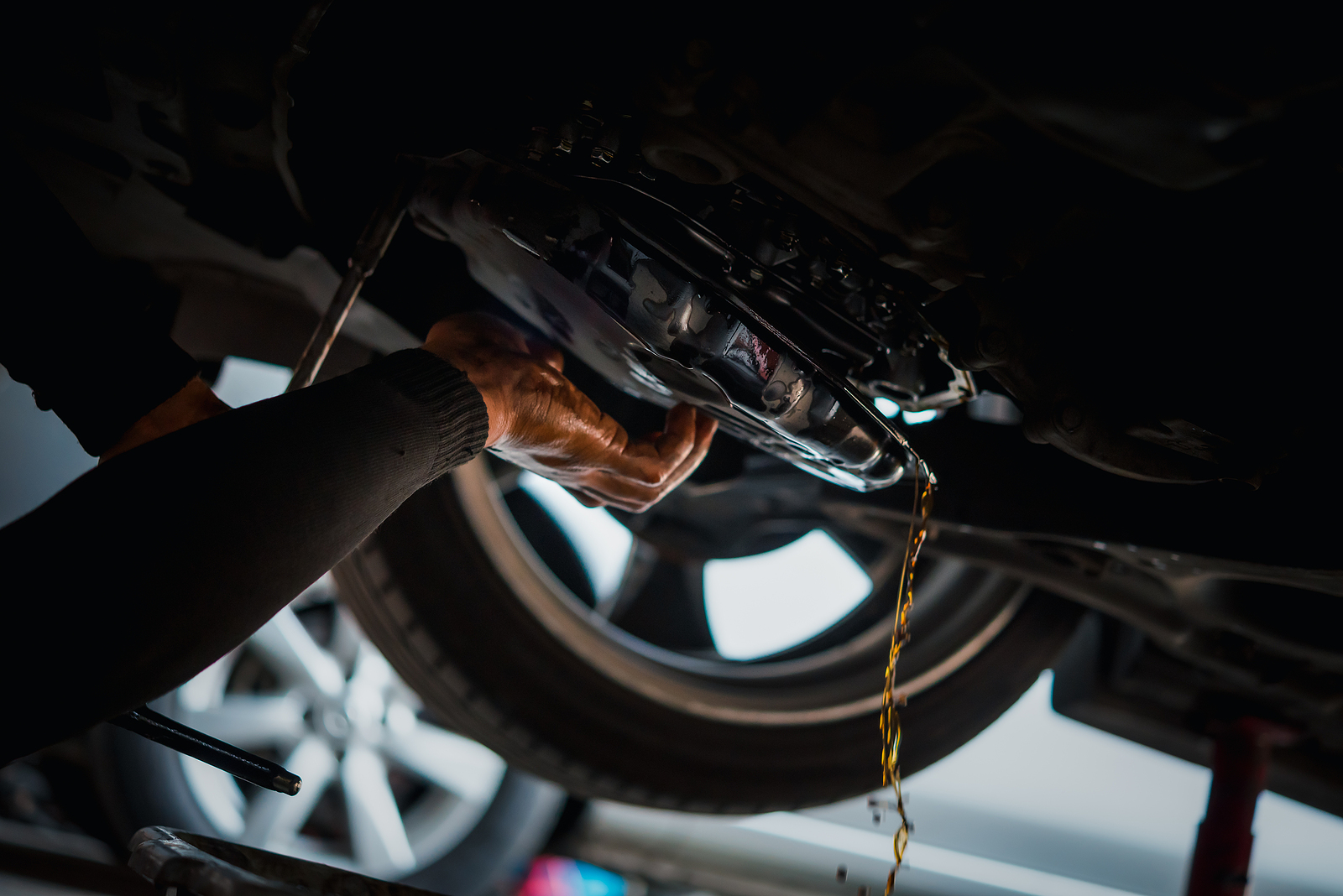
Transmission Repair Carmel Indiana 317-571-0800

Differential Fluid and Transmission Fluid Are Not the Same

When it comes to differential and transmission fluid, there are many differences, but they all lie under the primary difference that separates the two most distinctively: application. Differential and transmission fluid are two different automotive fluids primarily because they serve two difference functions. One fluid is for vehicles with manual gearboxes and the other for automatic transmission vehicles. Which one is which? Let’s take a closer look.

Differential Fluid

Differential fluid, also known as gear oil, is designed for vehicles with manual gearboxes controlled by a clutch, pedal, and stick shift. Manual gearboxes are designed as a two-shaft system, and although this design gives manual cars more oomph, it produces an enormous amount of heat and friction. Differential fluid helps lubricate the inner moving components, thus supporting a smoother operation and protecting the engine from damage.

Key Attributes of Gear Oil:

▶ Thicker Viscosity
▶ Higher Heat Resistance
▶ High Pressure Resistance

Transmission Fluid

Opposite of differential fluid, transmission fluid is designed to work specifically with automatic transmission vehicles. Because automatic transmissions operate at lower degrees of heat and friction, they require a different level of lubrication. Transmission fluid is designed with unique properties that adequately lubricate the engine and support transfer of power.

Key Attributes of Transmission Fluid:

▶ Thinner/Lower Viscosity  
▶ Lower Degree of Heat Resistance
▶ Anti-Foaming Technology

FAQS About Transmission and Differential Fluid:

Can You Use Transmission Fluid in Place of Differential Fluid?

In emergency situations, you can put transmission fluid in your differential, but beware of the lower degree of viscosity compared to differential fluid. Your vehicle will burn through it quickly, so change it out or replace it with the right fluid as soon as possible.

Can I Use Engine Oil Instead of Differential Fluid?

Never, under any circumstances, put engine oil in your differential. This will result in devastating damages to your engine. Engine oil is much different than gear oil, mostly it cannot withstand high pressure. Therefore, engine oil should never be used in place of gear oil.

Will Something Bad Happen if I Use the Wrong Car Fluid?

There are damaging effects of using the wrong fluid in your car. Your vehicle might experience engine overheating, transmission breakdown, and internal engine damage. If you believe you put the wrong -fluid in your car or truck, consult with a licensed mechanic in Carmel, IN right away.

Does your car engine or transmission need some professional attention? Contact Autohaus Dierolf at 317-571-0800 for transmission repair and engine repair service in Carmel, Indiana. We are German factory trained mechanics who specialize in European auto service. Request a free estimate, anytime.

Related Posts:

Transmission Repair Solutions for European Car Owners
The Seven Essential Automotive Fluids Every Vehicle Needs
FAQS About Car Engine Flushes

European Auto Repair and Service - Carmel Indiana 317-577-0800
European Auto Repair and Service – Carmel Indiana 317-577-0800