Why Won’t My Vehicle Start? A Guide for German Car Drivers

Experiencing trouble starting your German car can be frustrating, especially with models like the BMW 3 Series, VW Golf, and Audi A4 known for their precision engineering. The sinking feeling when you turn the key and hear a slow crank, a rapid click, or complete silence is something no driver wants. At Autohaus Dierolf in Carmel, Indianapolis, we frequently address these car starting problems, which can range from simple battery issues to more complex electrical faults.

Understanding the potential causes behind these issues is the first step toward a solution. This comprehensive guide will walk you through the common reasons your German car won’t start, the specific symptoms to look for, and the diagnostic steps you can take. If you’re in the Carmel, Indiana, area and find yourself needing expert assistance, our team is here to help get your prized vehicle back on the road.
Call 317-571-0800 For German Car Repair in Indianapolis Indiana
Call 317-571-0800 For German Car Repair & Diagnostics in Indianapolis Indiana

Understanding Car Starting Issues in German Make & Model Vehicles

Is It the Battery?

The battery is the heart of your car’s electrical system, and it’s often the first suspect when you have trouble starting your vehicle. However, it’s a common misconception that if a car won’t start, it must be the battery. While frequently the culprit, other issues can mimic a battery problem.

Common Symptoms of Battery Issues

  • Slow Cranking: The engine turns over sluggishly, struggling to start. This indicates the battery doesn’t have enough power to turn the starter motor effectively.
  • Clicking Noise: A rapid, machine-gun-like clicking sound when you turn the key is a classic sign of a weak or dead battery. The clicking is the starter solenoid engaging and disengaging because there isn’t enough voltage.
  • No Noise at All: Complete silence could mean the battery is completely drained or there’s a break in the electrical circuit.
  • Dim Headlights: If your headlights and interior lights are faint when you try to start the car, the battery is likely low on charge.

How to Diagnose Battery Problems

  • Voltage Test: Use a multimeter to check the battery’s voltage. A fully charged battery should read between 12.6 and 12.8 volts. A reading below 12.4V suggests it needs recharging, and a reading below 12.0V often means the battery needs to be replaced.
  • Inspect Terminals: Look for corrosion (a white or greenish buildup) on the battery terminals. This can interfere with the electrical connection. Clean the terminals with a wire brush and a mixture of baking soda and water if necessary.

Could It Be the Starter Motor?

If the battery seems fine but the engine still won’t crank, the starter motor could be the problem. The starter is a small electric motor that turns the engine over to begin the combustion process.

Symptoms of a Failing Starter

  • Single Loud Click: You hear one loud click when turning the key, but the engine doesn’t turn over. This suggests the starter solenoid is engaging, but the motor itself isn’t working.
  • Whirring or Grinding Noise: A high-pitched whirring or grinding sound after you turn the key indicates the starter is spinning but not engaging with the engine’s flywheel.
  • Smoke or Burning Smell: Smoke coming from under the hood can be a sign of an overheating or electrically-shorted starter motor.

Testing the Starter Motor

Diagnosing a starter requires more technical skill. A starter motor draw test can be performed by a professional to measure the electrical current it pulls. Excessive draw can indicate an internal short.

What About the Alternator?

The alternator recharges the battery while the engine is running and powers the car’s electrical systems. A failing alternator won’t recharge the battery, which will eventually lead to a car that won’t start.

Signs of a Bad Alternator

  • Warning Lights: A battery or “ALT” warning light on your dashboard is a clear indicator of a charging system problem.
  • Flickering Lights: Your headlights or dashboard lights may flicker or dim while driving.
  • Starts and Immediately Dies: Sometimes, a car with a bad alternator might start using the battery’s residual charge but will stall shortly after because it can’t sustain electrical power.

An alternator output test can confirm if it’s functioning correctly. A mechanic will check its voltage and current output while the engine is running.

Reach Out to Our German Automotive Mechanics Today!

Fuel System Complications

For an engine to run, it needs fuel. A problem within the fuel system can prevent your car from starting, even if the electrical components are working perfectly.

Common Fuel System Issues

  • Clogged Fuel Filter: A dirty filter can restrict fuel flow to the engine.
  • Failing Fuel Pump: If the fuel pump is weak or has failed, it won’t deliver enough fuel for combustion. You might hear a faint whining noise from the fuel tank area when the car is on.
  • Clogged Fuel Injectors: Injectors can become clogged over time, preventing them from delivering the precise amount of fuel needed.

A fuel pressure test is the standard diagnostic procedure. A gauge is attached to the fuel rail to verify that the fuel pressure is within the manufacturer’s specified range for your model, such as an Audi A4 or VW Golf.

Ignition System Faults

The ignition system creates the spark that ignites the fuel-air mixture in the engine. In precision-engineered German cars, this system is critical. A fault here means no spark, and no spark means no start.

Key Ignition Components to Check

  • Worn Spark Plugs: Spark plugs wear out over time. A visual spark plug inspection can reveal wear, fouling, or damage.
  • Faulty Ignition Coils: Each spark plug has an ignition coil that provides the high voltage needed to create a spark. If one fails, it can lead to misfires or a no-start condition.
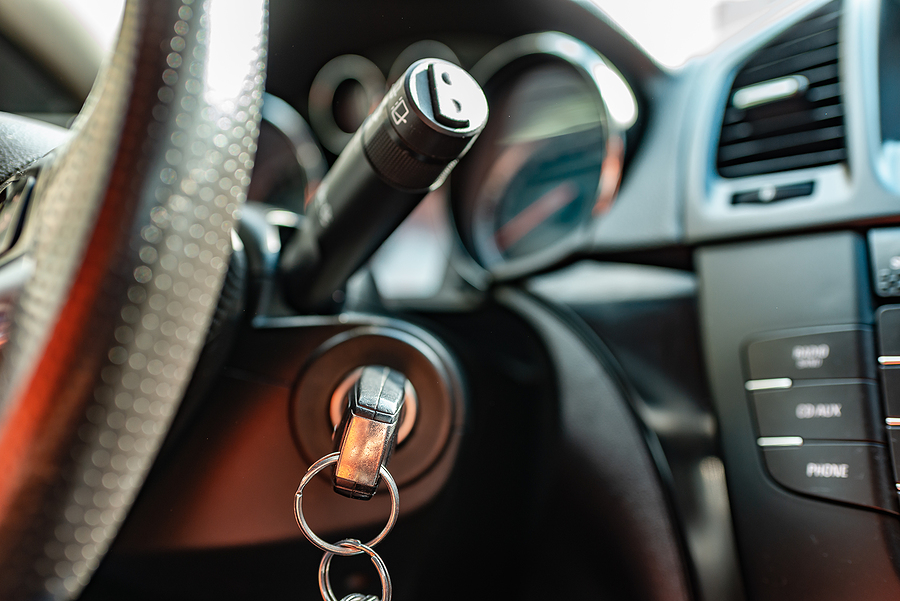
  • Bad Ignition Switch: The switch you turn with your key can fail, preventing power from reaching the starter motor and ignition system.

Other Potential Starting Problems

Beyond the major systems, several other components can cause starting issues in modern German cars.

  • Immobilizer Issues: Advanced security systems in cars like the BMW 3 Series can sometimes malfunction. If the car’s computer doesn’t recognize the key, the immobilizer will prevent the engine from starting. A common symptom is the car starting and then immediately shutting off. A specialized immobilizer system scan is needed to diagnose this.
  • Crankshaft Position Sensor: This sensor tells the engine’s computer the position and speed of the crankshaft. If it fails, the computer won’t know when to fire the spark plugs, and the car won’t start.
  • Blown Fuses or Bad Relays: A simple blown fuse or a faulty relay can interrupt power to critical components like the fuel pump or starter.
  • Wiring and Electrical Connections: Loose or corroded wires can cause intermittent starting problems that are often tricky to diagnose without a thorough inspection.

Getting Back on the Road

Troubleshooting car starting problems can be complex, especially with the sophisticated systems in German vehicles. While basic checks like inspecting the battery are straightforward, many issues require specialized tools and expertise. Using an OBD-II car code reader can provide valuable diagnostic trouble codes (DTCs) that point you in the right direction.

Regular maintenance is the best way to prevent these issues. Adhering to your vehicle’s service schedule, keeping battery terminals clean, and using high-quality fuel can make a significant difference. If you notice any warning signs like slow cranking or unusual noises, address them promptly to avoid getting stranded.

For drivers in Carmel, Indianapolis, finding a reputable German car mechanic is crucial. At Autohaus Dierolf, we have the advanced diagnostic tools and specialized knowledge to accurately identify and fix any issue. If your German car won’t start, don’t guess—get an expert diagnosis. Schedule a Service Appointment with us today, and let our specialists ensure your vehicle performs as it should.

Call Now to Book Service

Related Post: How to Figure Out Why Your Car Won’t Start
How to Find Trusted German Car Repair in Indianapolis

German cars are renowned for their precision engineering, stylish design, and unmatched performance. Whether you drive a BMW, Mercedes-Benz, Audi, or Volkswagen, it’s important to give your car the specialized care it deserves. But finding a trusted German car repair shop can feel overwhelming, especially when your vehicle’s performance and safety are at stake. 

This guide will walk you through everything you need to know about finding a reliable German car mechanic in Indianapolis. From understanding what makes German cars unique to evaluating local shops, we’ve got you covered. 

Carmel Indianapolis European Auto Repair
Carmel Indianapolis European Auto Repair 317-571-0800

Why Do German Cars Require Specialized Repairs? 

German cars are not like their American or Japanese counterparts. They are known for cutting-edge technology, high-performance engines, and advanced design. But these features also mean they require a deeper level of expertise when it comes to repair and maintenance. 

Here’s why specialized knowledge is essential for German car repair: 

  • Unique Engineering: German vehicles often use sophisticated technologies like turbocharged engines, dual-clutch transmissions, and advanced braking systems. 
  • Precision Manufacturing: These cars are built to exacting standards, which means repairing them requires precise attention to detail. 
  • Technology-Driven Diagnostics: Modern German cars rely heavily on electrical systems and onboard computers that demand specialized diagnostic tools. 

Without a trusted German car repair shop such as Autohaus Dierolf in Carmel, IN, you risk improper repairs that could lead to performance issues or damage. 

Steps to Find a Reputable German Car Mechanic 

1. Research Local Mechanics 

Start by searching for “German car repair near me” or “European automotive repair shop in Indianapolis” on Google. Focus on mechanics or shops that explicitly specialize in German vehicles. Look for services like brake repairs, oil changes, electrical diagnostics, or even transmission work for German cars. 

Quick Tip: A well-designed website can be a good indicator of a professional and organized shop. Look for information on their expertise with German cars, the tools they use, and testimonials from local customers. 

2. Check Credentials and Certifications 

Not all mechanics are created equal. Ensure that the mechanic or repair shop holds certifications such as ASE (Automotive Service Excellence) or manufacturer-specific credentials for brands like BMW or Audi. 

Why This Matters: Certified mechanics are trained to handle the intricacies of German car maintenance and repairs, ensuring your vehicle is in capable hands. 

3. Read Online Reviews and Testimonials 

Customer feedback is one of the most reliable ways to gauge the quality of a repair shop. Check platforms like Google Reviews, Yelp, or even the Better Business Bureau for insights into other customers’ experiences. 

What to Look For: 

  • Frequent praise for professionalism and expertise in German car repair. 
  • Positive mentions about transparency in pricing and diagnostics. 
  • Feedback highlighting successful complex repairs like engine overhauls or electrical diagnostics. 

4. Ask for Recommendations 

Do you know someone else who owns a German car? Word-of-mouth referrals from fellow German car enthusiasts in Indianapolis can be incredibly valuable. Their firsthand experiences can help you identify trustworthy shops, like Autohaus Dierolf, that might not appear on your initial search. 

5. Evaluate Shop Equipment and Technology 

German cars depend on advanced diagnostic systems that require state-of-the-art equipment. Ensure the repair shop is equipped with specialized tools like OBD scanners and OEM-certified parts. 

Pro Tip: A modern repair shop with up-to-date technology is far more capable of accurately diagnosing and fixing issues in German cars compared to a general auto mechanic. 

6. Get a Detailed Estimate 

Before committing to any repairs, request a detailed cost estimate. The shop should be transparent about labor, parts, and potential additional costs. 

What to Ask For: 

  • Are they using genuine parts or aftermarket alternatives? 
  • Can they explain each cost item in detail? 
  • How long will the repair take? 

This ensures you avoid unexpected costs and understand what you’re paying for. 

Book German Car Repair Service Today

Why Trusting the Right Mechanic is Worth It 

A trusted German car mechanic isn’t just someone who fixes your vehicle when it’s not running well. They’re a partner in maintaining your car’s performance for years to come. At the right shop, you’ll find mechanics who understand the nuances of brands like Mercedes-Benz, Audi, BMW, and Volkswagen and are fully prepared to bring out the best in your vehicle. 

FAQs About German Car Repair in Indianapolis 

What makes German car repair different from other car repairs? 

German cars feature advanced engineering, unique designs, and sophisticated electrical systems, making them more complex to repair. Specialized expertise and tools are required to address these complexities effectively. 

How can I find a trustworthy German car mechanic in Indianapolis? 

Start with online searches for reputable European automotive repair shops, read customer reviews, check credentials, and ask other German car owners for recommendations. 

What certifications should a German car mechanic have? 

Look for certifications such as ASE (Automotive Service Excellence) or brand-specific accreditations for manufacturers like BMW, Audi, or Mercedes-Benz. 

Why is regular maintenance important for German cars? 

German cars are designed for performance and longevity, but skipping regular maintenance like oil changes, brake checks, or electrical diagnostics can lead to costly repairs down the road. 

What should I expect in a cost estimate for German car repairs? 

A detailed estimate should include labor, parts (and whether they’re genuine OEM or aftermarket), additional services, and projected timelines. Transparency is key! 

Take the Next Step for Reliable German Car Repair 

Don’t leave your German car’s performance to chance. Finding the right mechanic is the first step to ensuring your car runs smoothly and safely for years to come. Whether it’s a routine oil change or complex engine work, partnering with an experienced German car mechanic will save you time, money, and headaches. 

If you’re in Indianapolis, IN, and need trusted experts, contact Autohaus Dierolf to schedule an appointment with our certified professionals.  We are German-trained mechanics who specialize in European make and model vehicles.

Book Your Service Now!

Related Post: German Car Maintenance Guide: Recommended Schedule for Longevity

Sniffing Out Trouble: A Guide to Unusual Car Smells 

Ever caught a whiff of something strange in your car and wondered if it’s trying to tell you something? Vehicles, much like people, have ways of signaling their health—or lack thereof. While warning lights and sounds are obvious indicators, unusual automotive odors can also be early signs of potential problems. These smells, often overlooked, can point to underlying issues that might lead to bigger, costlier repairs if ignored. 

This guide will help you identify common car odors, their potential causes, and what to do about them, empowering you to take informed action and keep your car running smoothly. 

Call 317-571-0800 When You Need Trusted German Automotive Repair in Indianapolis and Carmel Indiana

Common Automotive Odors and What They Mean 

Burning Smell 

A burning odor is one of the most alarming smells a car can produce, and for good reason. This scent often signals excessive heat or friction, which can damage essential components. 

Possible Causes:

  • Engine Issues: A burning smell near the hood may indicate an overheating engine or leaking oil burning off a hot surface. 
  • Brakes: Overheating brakes, caused by extended use (like driving downhill), can emit a sharp, acrid smell. This could point to worn brake pads or issues with the brake system. 
  • Electrical Systems: Burning plastic or rubber odors might indicate overheating wires or a short circuit in the car’s electrical system. 

What to Do:

If you detect a burning smell, pull over safely, and inspect your car for visible smoke or damage. An overheating engine or faulty brakes should be addressed immediately by a mechanic. Delaying repairs can lead to catastrophic failures and expensive fixes. 

Rotten Egg Smell 

A smell akin to rotten eggs is unpleasant, but more importantly, it’s a warning sign of a malfunction in critical systems. 

Possible Causes:

  • Catalytic Converter: The catalytic converter processes harmful gases from the engine, converting them into less harmful emissions. When it’s failing, it might produce a sulfur-like smell due to unprocessed gas.
  • Fuel System Issues: Excessive sulfur in the fuel or problems with the engine’s fuel-air mixture can also result in this odor. 

What to Do:

If you notice this smell, it’s important to have your catalytic converter or fuel system assessed by a professional. Ignoring the issue could not only increase emissions but also reduce your car’s fuel efficiency and overall performance. 

Sweet Syrupy Smell 

A sugary, sweet odor might sound pleasant, but it could mean trouble for your car. 

Possible Causes:

  • Coolant Leak: The sweet smell is often ethylene glycol, a key ingredient in coolant. This could indicate a leak in the radiator, hose, or heater core.

What to Do:

Coolant leaks often appear as green, pink, or orange puddles under your car. Be cautious—the overheated engine that follows a coolant shortage can result in severe damage. Get the issue addressed promptly to keep your car from overheating. 

Moldy or Musty Smell 

A musty smell inside your car can make even the shortest drive unpleasant. But beyond the discomfort, it can also impact your health. 

Possible Causes:

  • AC System: A buildup of mold or mildew in your car’s air conditioning system is a common cause. 
  • Interior Leaks: If water is seeping into your vehicle—whether through a bad seal, a clogged sunroof drain, or a window—it can create a damp environment perfect for mold growth. 

What to Do:

Run your air conditioning in fan-only mode to help dry out the system, and use a specialized AC cleaning spray if the issue persists. For leaks, inspect your car’s seals and windows thoroughly, and clean any damp spots to prevent mold from spreading. Consider professional detailing to deep clean your interior. 

Gasoline Smell 

While the smell of gasoline may seem normal at a gas station, it’s a red flag if the scent lingers in or around your car. 

Possible Causes:

  • Fuel Leak: A gasoline smell often indicates a leak in your fuel tank, injectors, or fuel lines. 
  • Overfilled Gas Tank: Sometimes, the odor can occur if the gas cap isn’t closed tightly after fueling. 

What to Do:

Start by checking if your gas cap is securely fastened. If the smell persists, have your car inspected by a mechanic to ensure there’s no dangerous fuel leak. Gasoline vapor is highly flammable and poses a significant safety risk. 

Oily Smell 

An oily or greasy odor is another signal that something isn’t quite right under the hood. 

Possible Causes:

  • Oil Leak: This smell is often due to oil leaking onto engine components and burning off. Common leak areas include the valve cover, oil pan, and filter.
  • Burning Oil: If your engine burns oil internally due to worn parts, this odor may occur. 

What to Do:

Check for oil spots under your car and inspect your oil dipstick for low levels. An expert mechanic can identify the source of the leak or internal burn and recommend the necessary repairs to protect your engine. 

How to Identify and Distinguish Between Odors 

Recognizing distinct smells can seem tricky at first, but some helpful tips can make the process easier:

  • Take notice of when and where the smell occurs (e.g., during braking, running the AC, inside or outside).
  • Look for additional signs like smoke, leaks, or warning lights.
  • If unsure, keep a log of the odor’s characteristics and seek advice from an experienced mechanic. 

Why You Shouldn’t Ignore Unusual Smells 

Unusual car odors are often symptoms of underlying issues. Ignoring them can lead to:

  • Expensive repairs that could have been avoided.
  • Safety hazards like brake failure or engine fires.
  • Harmful emissions affecting the environment. 

Prompt action at the first hint of trouble saves money, time, and stress. 

Tips to Maintain a Fresh and Odor-Free Car 

A well-maintained car is less likely to have lingering odors. Here’s how to keep your vehicle fresh:

  • Regularly clean your car’s interior, including carpets and seats.
  • Use cabin air filters and replace them as indicated in your owner’s manual.
  • Address spills and dampness immediately to prevent mold growth.
  • Avoid eating in your car to minimize smells that stick. 

RECAP

Automotive odors are your car’s way of communicating potential problems. Recognizing these early signals and addressing them promptly can save you from costly repairs and ensure your safety on the road. 

If you’ve noticed any unusual automotive odors or suspect something’s off, schedule an inspection with a trusted mechanic today. Keeping your car in top shape doesn’t just extend its life—it gives you peace of mind every time you drive. 

Don’t wait until it’s too late—ensure your vehicle is running smoothly and efficiently by scheduling routine maintenance today! Contact Autohaus Dierolf at 317-571-0800 for European automotive service and repair in Carmel, Indiana. Our German mechanics are factory-trained with more than 25 years of experience in the automotive service industry.

Related Posts:

Most Common Signs of a Failing Car Radiator
5 Signs That Suggest Your Car Needs Fuel Pump Replacement
Comprehensive Guide to Troubleshooting Common Issues with German Cars

Top 5 Car Parts Affected By Cold Weather

When the winter weather becomes extreme, the harsh climates and freezing temperatures can affect our daily lives in more ways than one. An area of your life that tends to get overlooked come winter’s peak is your vehicle. Severe cold climates can negatively impact your car’s ability to operate safely, or at all for that matter. Since you cannot get around driving in the winter weather this season, you will have to learn how to protect your vehicle from such impacts.

Continue reading to review the top 5 car parts that are most affected by severe cold outdoor temperatures, and what you can do to prevent such automotive inconveniences.

Carmel Indiana European Auto Repair
European Auto Repair and Service in Carmel, Indiana 317-571-0800

How to Winter Can Impact Your Vehicle

Car Tires

Every winter, your car tires usually deflate a little because when the air inside gets cold, it contracts, thus reducing air pressure. But in extreme cold temperatures, your tires can suddenly deflate, and fail to hold re-inflation for longer than a day or so. What can you do to prevent cold weather tire deflation? First, be sure to invest in quality car tires. There is a difference among all the brands and types of tires on the market. Second, be sure you are checking your tire pressure on a weekly basis, or more often if you drive long distances a lot.

Car Battery

Extreme cold winter weather can also affect the electrolyte molecules inside your car battery. In fact, dead car batteries are so common in the winter, it is recommended to always have a set of jumper cables on hand in case your car battery runs out of juice while you are out and about. Although jumper cables are a great solution to a dead battery in the winter, they are only a temporary fix. To prevent your car battery from dying this winter, be sure you have a quality battery brand, and that you replace it every 3 to 4 years.

Motor Oil

In the winter, at the peak when temperatures are the coldest, motor oil can thicken like molasses. This in turn causes many issues with the engine and overall operation of your car. When the oil is too viscous, the motor’s oil pump has trouble circulating it through the engine. To prevent your engine oil from becoming too thick this winter, simply switch to a low-viscosity oil for the season, between from 10W-30 to 5W-30, depending on how cold your region gets.

Windshield Wipers

It has likely happened to you before, as it has happened to the best of us drivers; frozen windshield wiper fluid and wipers frozen to your windshield. This inconvenient duo of windshield wiper problems can be easily prevented by ensuring you opt for a winter set of windshield wipers that won’t crack or tear after freezing, and using a high quality windshield wiper fluid. Also, be sure to replace your wipers twice a year for optimal performance.

LCD Display Screens

Liquid crystal display (LCD) screens are a common feature in modern make and model vehicles. From navigation and GPS, to DVD players and more, such devices have become an important part of our daily commutes. But in the winter, the freezing cold temperatures can cause the liquid crystals inside the display screen to slow down and behave sluggishly. To prevent a sluggish LCD screen this winter, consider installed an engine block heater. Otherwise, you must simply be patient and allow your car to warm up.

Luxury Auto Repair Service in Carmel, Indiana for European Vehicles

Call Autohaus Dierolf at 317-571-0800 for European auto repair and service in Carmel, Indiana. Our German factory trained mechanics have more than 30 years of experience specializing in European make and model vehicles. We provide a wide range of automotive repairs and services, including factory scheduled maintenance and auto repair. Call 317-571-0800 for affordable and reputable auto maintenance in Carmel, IN today.

European Automotive Repair Carmel
European Automotive Repair Carmel Indiana 317-577-0800

Transmission Facts for Cars and Trucks

Indianapolis Auto Repair 317-571-0800

Indianapolis Auto Repair 317-571-0800

Your vehicle’s transmission is a crucial and fragile component that should be respected and well-maintained regularly.  Regular maintenance and care can increase the life span of a transmission, as well as, protect the performance values and durability.  This blog discusses important facts related to car and truck transmissions that can help guide you in the direction of proper vehicle repair and maintenance.

Recommended Car Maintenance and Repair

Check the Transmission Fluid

There are many variables that influence how to properly check a car or truck’s transmission fluid.  It depends on the make and model of the vehicle, as well as, other more specific factors.  For example, in most cases it is instructed to leave the car engine on while checking the transmission fluid; however, if you are driving a Honda, the engine needs to be turned off.  In a Dodge, the car needs to be in neutral while applying the emergency brake.  With all the different rules and elements that apply to each make and model, it is strongly suggested to have a professional car repair and maintenance shop take a look for you.  Most auto repair shops are willing to check car and truck fluids for free, so be sure to take advantage of this when it comes to changing fluids in your ride.

Detecting Transmission Fluid Leaks

Transmission fluid repair technicians advise drivers to have their car or truck looked at professionally because it can be difficult determining where a leak originated from in a car or truck.  The technicians will start an inspection to find the source of the leak.  Often times, this type of inspection is accompanied with a small fee, usually around $75  or so; however, if you have the leak repaired at the same place it was inspected, the fee is typically waived.  When an auto mechanic technician facilitates an inspection to seek out a transmission leak, they will check everything from the cooler lines to the differential cover.  Somewhere in between they will typically find the leak and can assess its severity.

Driving with a Transmission Leak

Many people on the road have transmission leaks and don’t even know it.  These minor leaks can go un-noticed to an amateur eye.  This does not mean that it is safe to drive with a transmission leak or any other car fluid leak.  Minor leaks typically do not impose an immediate danger when it comes to driving, but they will most certainly lead to more severe damages to other car parts.  Corrosion and deterioration will occur to pumps, seals, and more.  These damages are costly and can be avoided by having a transmission fluid leak repaired right away.

Transmission Rebuilds

A common question regarding transmissions is about rebuilds.  Rebuilding transmissions is a costly repair that can be avoided prematurely through regular service, maintenance, and care.  However, there always comes a time in a car or truck’s life when the transmission needs rebuilding or replacing.  A few telltale signs that a transmission is on its last leg are as follows:  if the gear is slipping in and out, if the engine is revving high when the vehicle is moving moderately or slow, if it will not go in reverse, and many more.  If any of these are happening when driving your truck or car, call a professional auto repair company in your area, and have it inspected right away.

Carmel Auto Repair

European Auto Service Carmel Indiana 317-571-0800

European Auto Service Carmel Indiana 317-571-0800

For more information on transmission service, repair, maintenance, and inspections, call Autohaus Dierolf in Carmel, IN today.  We are licensed and insured European auto repair specialists that have been serving Hoosiers for over 40 years!  Call us at 317-571-0800 for free estimates, DIY advice, and guidance on Foreign and European car repair in Carmel, Indiana.