The Ultimate Guide to Audi: Innovation, Performance, and Luxury

When it comes to luxury automobiles, few brands command the respect and admiration that Audi does. With a rich history dating back to 1909, Audi has continually pushed the boundaries of automotive engineering and design. The brand’s philosophy, encapsulated by its slogan “Vorsprung durch Technik” (Advancement through Technology), reflects its commitment to innovation, performance, and luxury. Positioned firmly at the high end of the market, Audi offers a range of vehicles that appeal to car enthusiasts, luxury car buyers, and anyone seeking the pinnacle of German engineering.

Call 317-571-0800 When You Need Audi Maintenance and Repair in Carmel Indiana

Audi’s Technological Advancements

Audi has always been at the forefront of automotive technology, and its recent innovations in electric and autonomous driving are no exception.

Electric Vehicles

Audi’s e-tron lineup represents the brand’s commitment to sustainable mobility without compromising on performance. The Audi e-tron GT, for example, combines breathtaking acceleration with zero emissions, offering a driving experience that’s both exhilarating and Eco-friendly. Advanced battery technology ensures long range and quick charging, making these vehicles practical for everyday use.

Autonomous Driving

Audi is also a leader in autonomous driving technology. The Audi AI:ME concept car showcases the brand’s vision for the future, featuring Level 4 autonomous driving capabilities. This means the car can handle all driving tasks independently, allowing passengers to relax and enjoy the ride. With features like Traffic Jam Pilot and automated parking, Audi is making strides toward a future where driving is safer and more convenient.

Audi’s Model Lineup

Audi’s diverse model lineup offers something for everyone, from sporty coupes to luxurious SUVs. Here are some highlights:

Sedans and Coupes

  • Audi A4: A perfect blend of performance and luxury, the A4 is a favorite among executive sedan buyers. It offers a range of advanced features, including a virtual cockpit and MMI® touch response.
  • Audi A8: As Audi’s flagship luxury sedan, the A8 sets the standard for elegance and innovation. Its advanced driver assistance systems and luxurious interior make it a top choice for discerning buyers.
  • Audi RS5 Coupe: For those who crave performance, the RS5 Coupe delivers with its 2.9-liter V6 engine producing 444 horsepower. Quattro® all-wheel drive ensures excellent handling and stability.

SUVs

  • Audi Q5: Combining practicality with luxury, the Q5 is a versatile SUV that’s perfect for families. It offers a spacious interior, advanced safety features, and impressive fuel efficiency.
  • Audi Q8: The Q8 is a statement of luxury and performance, featuring a bold design and a range of high-tech features. Its powerful engine options and adaptive air suspension make it a joy to drive.

Electric Models

  • Audi e-tron: As Audi’s first all-electric SUV, the e-tron offers a perfect blend of luxury and sustainability. Its dual electric motors provide instant torque and impressive range, making it a practical choice for Eco-conscious buyers.
  • Audi e-tron GT: This electric sports car combines stunning looks with blistering performance. Its advanced battery technology ensures long-range and quick charging, making it a game-changer in the electric vehicle market.

Audi in the Future

Audi is not just focused on the present but is also committed to shaping the future of the automotive industry. The brand has set ambitious goals for sustainability, aiming to achieve carbon neutrality across its entire lifecycle by 2050.

Sustainability Initiatives

Audi’s sustainability efforts include the use of renewable energy in its production facilities, increased use of recycled materials, and the development of more efficient manufacturing processes. The brand is also investing heavily in electric vehicle technology, with plans to expand its e-tron lineup significantly in the coming years.

Upcoming Models and Technologies

Audi has several exciting models and technologies in the pipeline. The Audi Q4 e-tron, for example, is set to be a more affordable electric SUV option, bringing sustainable luxury to a broader audience. Additionally, advancements in autonomous driving and connected car technology will continue to enhance the driving experience.

Audi Buying Tips

Choosing the right Audi can be a daunting task, given the brand’s extensive lineup. Here are some tips to help you make an informed decision:

Identify Your Needs: Are you looking for a family SUV, a luxury sedan, or a high-performance sports car? Understanding your needs will narrow down your options.

Set a Budget: Audi offers vehicles at various price points, so setting a budget will help you focus on models within your range.

Test Drive Multiple Models: Always test drive multiple models to get a feel for their performance, comfort, and features.

Consider Future Needs: Think about how your needs might change in the future. If you plan to start a family, for example, an SUV might be a better long-term choice than a coupe.

Research Financing Options: Audi offers various financing options, including leases and loans. Research these options to find the best deal.

Audi Maintenance and Care

Owning an Audi is a significant investment, and regular maintenance is crucial to keep it running smoothly. Here’s what you can expect in terms of routine maintenance:

  • Oil Changes and Fluid Checks: Regular oil changes and fluid checks are essential for maintaining engine health. Audi recommends changing the oil every 10,000 miles or 12 months, whichever comes first.
  • Tire Maintenance: Rotate and balance your tires regularly to ensure even wear and increase their duration. Check tire pressure monthly to maintain optimal handling and fuel efficiency.
  • Brake Inspections: Regular brake inspections are crucial for safety. Audi recommends having your brakes checked every 10,000 miles.
  • Battery Checks: Modern Audis come with advanced electrical systems that require regular battery checks. Ensure your battery is in good condition to avoid unexpected breakdowns.
  • Scheduled Services: Follow Audi’s recommended service schedule, which includes comprehensive inspections and maintenance tasks at specific mileage intervals.

Conclusion

Audi represents the pinnacle of luxury, performance, and technological innovation in the automotive world. Whether you’re a car enthusiast, a luxury car buyer, or someone seeking the best in German engineering, Audi has something to offer you. From its rich history and cutting-edge technology to its diverse model lineup and commitment to sustainability, Audi continues to set the standard for the automotive industry. Join the Audi family and elevate your driving experience to new heights. Drive innovation, drive luxury, drive Audi.

Are you ready to officially be an Audi owner? Choose our German factory trained mechanics for all your automotive service needs. Autohaus Dierolf is happy to answer any questions you may have about keeping your luxury car in top condition. We work on all European vehicles but specialize in Audi repairs and services.

Related Posts:

Audi Ownership: Benefits and Considerations
How to Make Your Audi Last More Than 300,000 Miles
Must Knows Before Taking Your Audi to The Mechanic

Catalytic Converter Repair and Replacement for German Cars: A Comprehensive Guide

Owning a German car comes with a sense of pride and prestige. Whether it’s the engineering excellence or the luxurious driving experience, vehicles from Germany stand out from the crowd. However, like any high-performance machine, they require meticulous care to maintain their peak condition. One crucial component that demands attention is the catalytic converter. This guide takes you through everything you need to know about catalytic converter repair and replacement specifically for German cars.

Call 317-571-0800 When You Need Catalytic Converter Repair or Replacement in Carmel Indiana

The 101 on Catalytic Converters

What Catalytic Converters Do

Essentially, a catalytic converter is a device designed to reduce emissions. It transforms harmful gases and pollutants from an internal combustion engine’s exhaust into less harmful substances through a redox reaction. It’s a crucial component for not only keeping your car running clean but also for meeting legal emissions standards.

Signs of Catalytic Converter Problems

  • Decreased Engine Performance
  • Increased Fuel Consumption
  • Check Engine Light Comes On
  • Rattling Noise from the Undercarriage

These symptoms could indicate a failing catalytic converter. It’s crucial to address these signs promptly to prevent further damage to your vehicle.

Importance of Timely Repair or Replacement

Neglecting issues with your catalytic converter can lead to severe performance drops and, eventually, engine damage. For German cars, which are designed with precision engineering, ensuring every part functions correctly is essential to maintain their performance integrity and value.

Unique Considerations for German Cars

German cars are renowned for their quality and performance, which extends to their components like the catalytic converter. Here’s what you need to consider:

High-Quality Parts – Using high-quality replacement parts is non-negotiable. Ensuring that the new catalytic converter matches your car’s specifications keeps it running as intended by the manufacturer.

Specialized Service – German vehicles often require specialized knowledge for repairs, meaning you’ll want a technician experienced with European car maintenance when handling catalytic converter issues.

Cost Considerations – It’s no secret that maintaining a German car, including parts like the catalytic converter, can be more expensive. However, investing in quality repairs ensures the longevity and performance of your vehicle.

Tips for Maintaining Catalytic Converters

To avoid frequent repairs and replacements, here are some maintenance tips:

Conclusion

Regularly maintaining your vehicle’s catalytic converter is essential to keep your German car running efficiently and environmentally friendly. By paying attention to the signs of wear and ensuring timely repair or replacement, you’ll extend the life of your car and enhance your driving experience.

In this era where European cars set the benchmark for luxury and performance, understanding the nuances of components like catalytic converters and investing in their upkeep is crucial. Remember, the key to enjoying the unparalleled experience your German car offers lies in regular maintenance and addressing issues like Catalytic Converter Repair and Replacement with the seriousness they demand.

If you’re experiencing problems with your catalytic converter or just want to ensure everything is in top shape, consider seeking a professional diagnostics check. Contact Autohaus Dierolf at 317-571-0800 for European automotive service and repair in Carmel, Indiana. Our expertise in German car maintenance and European automotive repair ensures your vehicle receives the care it deserves. Reach out today and keep your German car in its best condition.

Related Posts:

Decoding Car Noises: Your Guide to Automotive Sound Signals
Check Engine Light On? Here’s What You Should Do
Alternator Repair or Replacement for German Cars: Auto Electrical Troubleshooting

Decoding Car Noises: Your Guide to Automotive Sound Signals

The language of cars isn’t all about the rev of an engine or the smooth glide of tires on asphalt; sometimes, it speaks in more concerning tones — the kind that make car owners perk up in their seats and passengers shift uneasily. Uncharacteristic sounds from your vehicle’s intricate machinery can be the first indicators of underlying problems. But, far too often, they are the ones we hope will just go away on their own.

However, the truth is that recognizing and reacting to strange car noises are foundational aspects of car care — translating these sounds could save you costly repairs down the road, or more immediately, steer you clear of a serious accident. In this detailed guide, we’re focusing on educating car owners, drivers, and commuters about various car sounds and the crucial steps to take when your car starts speaking a language that’s anything but normal.

Call 317-571-0800 For German Auto Repair in Carmel Indiana

Car Noises That Should Not Be Ignored

Car Engine Noises

Your car’s engine is a complex symphony of moving parts that, when functioning properly, produce an orchestra of cohesive hums and whirs. When one of these parts begins to falter, it often sings a solo that demands your attention.

Knocking: Also known as pinging, this sound usually indicates an issue with the combustion process. It can be a sign that the fuel you’re using isn’t up to par with your engine’s octane rating, or that the spark plugs or timing may be off.

Tapping or Clicking: Often associated with low oil levels or pressure, this noise means that your engine’s internals aren’t getting the lubrication they need.

Hissing or Whistling: These sounds aren’t too dissimilar to a tea kettle, and signify that your engine may have a vacuum leak or the serpentine belt is slipping — in the case of the latter, the temperature gauge’s needle wandering towards “HOT” can often confirm this suspicion.

Upon hearing any of these sounds from your engine, a trip to your trusted mechanic is strongly advised. Describing these sounds accurately can significantly aid the professional diagnosis process, potentially averting major engine problems if caught early on.

Car Brake Noises

Of all the sounds that might startle a driver, the screech or grind of your vehicle’s brakes is perhaps the most attention-grabbing — and for good reason.

Squealing – Brake squeals are generally straightforward and typically alert you to one of two issues. The first is when a metal indicator on your brake pad touches the rotor, signifying that it’s time for a replacement. The second is a build-up of dust on the brake rotor. Both instances, while possibly alarming, are resolved with routine maintenance.

Grinding – Unlike squeals, grinding indicates that the brake pads are completely worn down and metal is rubbing against metal. This is not only detrimental to your braking system, but can be outright dangerous and should be addressed immediately.

Ignoring brake-related sounds is perilous. When in doubt, have a mechanic inspect your brake system. Remember, car brakes are a vital safety feature and any disruptions to their operation should be taken seriously.

Transmission Noises

The transmission is perhaps the most enigmatic component of your car, and when it starts to speak up, it’s best not to ignore it.

Clunks and Whirs – Transmission sounds can vary, but any departures from the norm should be looked into. A clunk when shifting into gear could indicate a problem with the transmission mount, while whining can point to issues with the planetary gear sets or bearings.

Your car might not be able to tell you what’s wrong, but you can help your mechanic by identifying when the sounds occur, whether it’s while shifting, accelerating, or decelerating. This context is invaluable for an accurate transmission repair diagnostic.

Other Automotive Sounds to Look Out For

Some car noises don’t fall neatly into engine, brake, or transmission categories but are important to note all the same.

Knocking on Other Components – If you hear knocking from the underside of your car it could mean a number of things — your car might be telling you that it’s time to replace the shock absorbers, or that the transmission fluid or filter needs attention.

Sudden Hissing – This sound is often associated with a radiator or vacuum line leak, or in extreme cases, a failing head gasket. Any issues related to cooling should be addressed swiftly to avoid overheating.

Smaller Sounds – Often these smaller sounds are leading indicators of a larger problem, and while they might not be immediately serious, they shouldn’t be overlooked. Performing regular maintenance checks can often identify the source of these sounds before they become problematic.

Stay Ahead of Strange Car Sounds with Routine Automotive Maintenance

The art of listening to your car’s sounds is a critical skill that every driver should cultivate. Early diagnosis can lead to simpler, more cost-effective solutions. Don’t ignore your car when it tries to communicate with you. Whether it’s a minor hiss or a major bang, prompt attention means safer on-road experiences and a less tumultuous relationship with car repair bills.

Regularly scheduled maintenance may seem like an inconvenience until you realize it’s a key strategy to maximally extend the life of your vehicle and avert high-stress situations — both in terms of the mechanical operation of your car and your wallet.

Conclusion

The next time you’re behind the wheel and your car starts talking in an unfamiliar way, don’t just turn up the stereo and hope for the best. Tune in, listen closely, and act on its messages. After all, the more attuned you are to your car’s sounds, the better you can play interpreter to its needs. And remember, the interpretation is only as good as the response it elicits — so get to the mechanic’s shop, the safety of the car and its occupants depend on it.

Is your German vehicle singing off key? Contact Autohaus Dierolf at 317-571-0800 for European automotive service and repair, today. Our German mechanics are factory-trained with more than 25 years of experience in the automotive service industry.

Related Posts:

Do Not Make These Common Vehicle Maintenance Mistakes
When Do I Need to Change the Fluids in My Car?
Factory Recommended Maintenance for Car Brakes

Check Engine Light On? Here’s What You Should Do

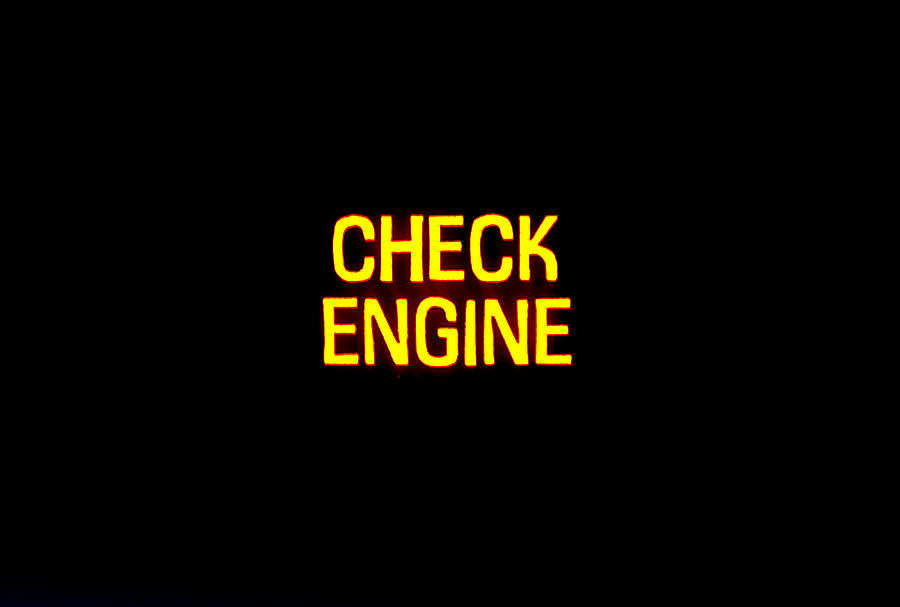
When the dreaded check engine light illuminates on your dashboard, it’s easy to feel a pang of anxiety. This light is often the harbinger of various vehicle malfunctions – some minor and others possibly severe. Before visions of costly repairs cloud your judgment, take a deep breath.

In this blog post, we will guide you through the initial steps you should take upon noticing your check engine light, or malfunctioning indicator lamp (MIL). From understanding the possible reasons behind the light to when it’s time to call a professional, we aim to demystify this common vehicle issue and provide peace of mind through knowledge and preparedness.

Call 317-571-0800 For Check Engine Light Troubleshooting and Repair in Carmel Indiana for German Cars

Understanding the Check Engine Light

Many drivers don’t realize that the check engine light is not a “one size fits all” warning. In fact, it’s designed to indicate a wide range of issues – from minor ones such as a loose gas cap to major problems like a failing catalytic converter. The light itself has evolved over the years, with earlier models simply displaying “check engine” and newer models utilizing various symbols to represent the issue. Regardless of the design, it’s essential to address this warning as soon as possible to avoid any potential safety hazards or costly repairs down the line.

Common Malfunctioning Indicator Lamp Triggers

As mentioned earlier, not all check engine light warnings warrant immediate panic. Some common issues that can trigger the malfunctioning indicator lamp include a loose or damaged gas cap, faulty oxygen sensors, and a failing mass airflow sensor. These issues may be relatively minor and can sometimes be resolved by simply tightening the gas cap or replacing a sensor. However, it’s still crucial to address these problems promptly to prevent further damage to your vehicle.

Faulty Oxygen Sensor

One of the most common issues that can trigger the MIL is a faulty oxygen sensor. The oxygen sensor measures the amount of oxygen in the exhaust system and sends this information to the vehicle’s computer. If the sensor is not working properly, it can cause a decrease in fuel efficiency and may also lead to other engine problems.

Loose or Damaged Gas Cap

A loose or damaged gas cap can also cause the check engine light to turn on. The gas cap seals the fuel system and helps to maintain proper pressure within the fuel tank. If it is not tight or has cracks, it can lead to an increase in emissions and trigger the check engine light.

Malfunctioning Catalytic Converter

The catalytic converter is responsible for converting harmful pollutants into less harmful emissions before they exit through the exhaust system. If this component fails, it can cause an increase in emissions and trigger the check engine light.

Faulty Mass Airflow Sensor

The mass airflow sensor measures how much air is entering the engine and helps determine how much fuel should be injected into the combustion chamber. If it malfunctions, it can cause a decrease in performance and fuel efficiency, leading to an illuminated check engine light.

Failing Ignition Coils

Ignition coils are responsible for providing spark to ignite the fuel-air mixture in each cylinder of an engine. If one or more of these coils fail, it can result in misfires, which can damage other components of the engine and trigger the check engine light.

When to Seek Professional Help

If checking for common issues doesn’t resolve the malfunctioning indicator lamp, it’s time to seek professional help. Modern vehicles are equipped with complex onboard diagnostic systems that can provide specific error codes to pinpoint the issue. A certified mechanic will have specialized tools and knowledge to read these codes and determine the root cause of the problem. They can then advise you on the necessary repairs or replacements needed.

How to Avoid Future Check Engine Light Warnings

Prevention is always better than cure, and the same applies to your vehicle’s check engine light. Regular maintenance and tune-ups can go a long way in preventing unexpected warnings and costly repairs. It’s essential to follow your vehicle’s recommended maintenance schedule and address any potential issues as soon as they arise. Additionally, keeping an eye on your vehicle’s performance, including any changes in fuel efficiency or strange noises, can alert you to potential problems early on.

In Conclusion

Although the check engine light may seem daunting at first, it’s essential to remain calm and take action promptly. Understanding the purpose of this warning and knowing when to address it yourself or seek professional help can save you time, money, and potential safety hazards. Remember to prioritize regular maintenance and tune-ups to prevent future issues and keep your vehicle running smoothly. With these tips in mind, you can confidently handle a malfunctioning indicator lamp that may come your way.  So next time you see that dreaded light on your dashboard, take a deep breath and follow these steps – you’ve got this! 

Don’t panic  if your check engine light just popped up out of nowhere. Our pros can help. Contact Autohaus Dierolf at 317-571-0800 for European auto repair and auto service in Carmel, Indiana for BMWs and more. We specialize in all make and model European and German vehicles.

Related Posts:

When to Repair vs. Replace: Making Sense of Your Car’s Engine Problems
How to Diagnose Common Problems with Your European Car
Avoiding Financial Pitfalls: How to Save Money on High-End Car Repairs

Alternator Repair or Replacement for German Cars: Auto Electrical Troubleshooting

German make and model cars are renowned for their performance and engineering, but even these precision machines are not immune to the occasional bump in the road. Among the various intricacies that demand attention, the alternator stands as a crucial component, vital to the operation of the car’s electrical system. In this detailed guide, we’ll explore not only the role of the alternator in European-made cars but also the roadmaps for both repair and replacement to keep these vehicles running at their best.

Call 317-571-0800 For European Alternator Repair and Replacement in Carmel Indiana

Common Alternator Problems in German Cars

For most drivers, the alternator is an obscure part that only becomes relevant when dashboard lights start to flicker or the car struggles to start. European or German make and model cars in particular are known for their complex electrical systems, and alternator issues can be markedly challenging to diagnose and solve. Owners may encounter problems such as irregular power delivery, dashboard warning lights illuminating, and in extreme cases, a complete shutdown.

What the Alternator Does

To effectively address alternator problems in your German car, it’s essential to first understand what the alternator does and the role it plays in the broader functioning of your vehicle’s electrical system. The alternator is a key component that works to convert mechanical energy into electrical energy. It powers the vehicle’s electrical systems while the engine is running and also replenishes the battery to its proper charge.

Signs of Alternator Issues

The alternator is an essential component of your vehicle that keeps the battery charged and powers your electrical system. It works by converting mechanical energy from the engine into electrical energy that is used to keep the battery charged and operate various components of your car, such as lights, radio, and power windows. Unfortunately, like any other part of a vehicle, the alternator can experience issues over time.

It is important to recognize the signs of alternator problems early on, as ignoring them can lead to more significant and costly issues down the road. Here are the most common:

Dimming or Flickering Lights

One of the most common signs of an alternator issue is dimming or flickering lights while driving. The alternator’s job is to keep the battery charged, which in turn powers the lights. If your headlights or interior lights are flickering or becoming dimmer, it could be a sign that the alternator is not functioning correctly.

Strange Noises

If you start to hear strange noises coming from under the hood of your car, such as grinding, whining, or squealing sounds, it could indicate an issue with the alternator. These noises may be caused by a malfunctioning pulley or belt that is connected to the alternator.

Dashboard Warning Light

Most modern cars are equipped with a dashboard warning light that indicates an issue with the electrical system. If this warning light comes on, it could mean there is a problem with the alternator or another component of the electrical system. It is essential to have the vehicle checked by a mechanic as soon as possible to avoid further damage.

Difficulty Starting the Vehicle

The alternator plays a crucial role in starting your car. If you start experiencing problems with your vehicle not starting or taking longer than usual to start, it could be due to a faulty alternator. As the battery drains, there may not be enough power to start the engine.

Dead Battery

If you find yourself needing to jump-start your car frequently, it could be a sign of alternator issues. A healthy alternator should keep the battery charged while driving, so if you are continuously dealing with a dead battery, it is worth having the alternator checked.

Burning Smell

If you smell something burning while driving, it could be a sign that the alternator is overheating. An overheated alternator can damage its internal components and lead to a complete failure if not addressed promptly.

Automotive Maintenance Tips for a Healthy Alternator

Prevention is often the best cure when it comes to the alternator in your German car. Basic automotive maintenance, such as keeping the engine and alternator clean from debris and ensuring the battery’s terminals are tightened and free of corrosion, can significantly extend the life of the alternator. Proactive measures like regular electrical system checks and timely replacement of worn parts can prevent the alternator from failing and causing more extensive damage to your German or European make and model car.

Conclusion

The alternator is the unsung hero of your German vehicle’s electrical system, and knowing how to address issues with it is essential for any car owner or driver. Regular checks and timely repairs or replacements can prevent more significant problems and keep your car running smoothly.  Engage with your vehicle’s maintenance needs and to seek professional help when necessary. By doing so, you not only protect your investment but also ensure a safer and more enjoyable driving experience for years to come.

Keeping up with regular automotive maintenance is the most reliable way to maintain your car’s alternator and electrical system – especially if you drive a German vehicle. Contact Autohaus Dierolf at 317-571-0800 for European auto repair and auto service in Carmel, Indiana. We specialize in all make and model European and German vehicles.

Related Posts:

Harnessing the Power: Troubleshooting Common Auto Electrical Issues
Choosing the Right Car Battery for a German Car: Factors to Consider
Comprehensive Guide to Troubleshooting Common Issues with German Cars

The Ultimate Guide to Purchasing Your First Volkswagen

For many, the dream of owning a car begins with a certain kind of silhouette – a distinct profile that represents more than just four wheels and an engine. It embodies a lifestyle, a heritage, and a community. This silhouette, synonymous with German engineering and a commitment to quality, is that of a Volkswagen, sparking the imaginations of would-be drivers across generations.

In this extensive guide, designed with the first-time car buyer in mind, we break down each step of the Volkswagen purchase journey, from initial research to cruising down the open road in your very own VW. We are here to equip you with the information and confidence you need to make an informed and rewarding first vehicle purchase.

Call 317-571-0800 When You Need a Volkswagen Mechanic Near Carmel Indiana

Research and Planning for a New Volkswagen

Owning your first Volkswagen is more than a rite of passage; it’s a milestone in personal mobility and a testament to your commitment to a driving experience that’s more than just a commute. As you stand on the precipice of transforming this dream into reality, the complexities of the purchase process might seem daunting. Here are some considerations to help clear the path in front of your:

Understanding Your Needs and Budget

Before the thrill of the dealership visit, take time to introspect exactly what you need from your vehicle. Will it be your daily driver, a weekend adventurer, or a mix of both? What about cargo space, fuel efficiency, or safety features – which rank highest on your list of priorities?

When you’re looking at Volkswagen cars, performance and the legendary German engineering are par for the course. But understanding the specifics of your daily use is crucial in selecting the right model from their diverse line-up. From the classic Beetle and mid-sized Passat to the spacious Atlas and Tiguan models, there’s a Volkswagen for every lifestyle.

Researching Volkswagen Models

Head to Volkswagen’s official website and explore each model’s specifications, features, and customizable options. Look at expert reviews and user forums to gauge real-world performance. Check for any known issues or recalls that might affect the model you’re eyeing. Popular models include the Volkswagen Passat, Tiguan, Golf, Atlas, Jetta, Beetle, and Taos.  

Exploring Financing Options

Volkswagen offers a range of financing possibilities. Understand the differences between buying, leasing, and financing to choose the plan that aligns with your financial goals. Whether it’s through Volkswagen’s in-house financing or a trusted third-party, securing your car loan is empowered by knowledge and preparedness.

Visiting Volkswagen Dealerships

Finding a Reputable Volkswagen Dealership

Not all dealerships are created equal. Seek out reputable Volkswagen dealerships with a track record of customer satisfaction and after-sale service. Ask friends and family for recommendations, and check online reviews to set your sights on the best.

Test-Driving Different Models

Nothing rivals the experience of sliding behind the wheel. Test-driving your shortlisted Volkswagen models is crucial in understanding how each one feels on the road. Pay attention to handling, comfort, and the in-car technology that will be your co-pilot on daily excursions.

Asking the Right Questions

Empower yourself with knowledge, but don’t shy away from clarifying doubts. Ask the sales representative about anything you’re unclear on – from warranty specifics to the functionality of that innovative feature you saw online.

Negotiation and Purchase of Your Volkswagen

Tips for Negotiating the Best Price

The sticker price isn’t always final. Equip yourself with the knowledge of the fair market value for your selected model and engage in a respectful negotiation. Sometimes, being prepared to walk away can be the most powerful negotiation tool.

Understanding Warranties and Service Packages

Your Volkswagen will likely come with a range of warranties and service packages. Understand what each of these entails to make sure you’re not paying for services you won’t use, and that you’re covered where it matters most.

Finalizing the Purchase Process

With all the questions answered and the price agreed upon, the final purchase process should be straightforward. Make sure to review all paperwork carefully and ask about any last-minute add-ons that may be essential or that could be negotiated into the deal.

Car Care Guide for New Volkswagen Owners

Volkswagen Maintenance Tips

Your relationship with your Volkswagen doesn’t end when you drive it off the lot. Regular maintenance is key to keeping your VW running smoothly and safely. Familiarize yourself with the recommended service schedule and take note of any red flags that may indicate a need for immediate attention.

Joining Volkswagen Enthusiast Communities

The Volkswagen community is one of the most vibrant and dedicated in the automotive world. Join clubs and forums to share your passion and learn from others’ experiences. You might even make a few friends in the process, extending your Volkswagen experience beyond just the act of driving.

Exploring Additional Accessories and Upgrades

Personalize your Volkswagen with accessories and upgrades that take your driving experience to the next level. Whether it’s custom wheels, an advanced sound system, or a performance upgrade, Volkswagen offers an array of options to make your car uniquely yours.

Finding a European Automotive Shop

While you can get maintenance done at any certified shop, finding a specialized European automotive shop can enhance your Volkswagen ownership experience. These mechanics often have the specific know-how and tools to give your car the best care possible.

Conclusion

With this guide, we’ve endeavored to light the way as you set out on your quest to purchase your first Volkswagen. The process may appear complex, but with thorough research, sensible planning, and an advocate’s approach at the dealership, you’re well-equipped to unlock the doors of a magical driving experience.

We encourage you to savor every moment of your Volkswagen experience, from that first exhilarating drive to the countless memories yet to be made. Your Volkswagen isn’t just a car; it’s an invitation to a lifestyle rich in heritage, performance, and innovation. Welcome to the Volkswagen family – we’re thrilled to have you along for the ride.

Are you looking for a trusted German factory trained auto mechanic in Indianapolis for your Volkswagen? Contact Autohaus Dierolf at 317-571-0800 for German auto repair service in Carmel for Volkswagen make and model vehicles. We are German-trained mechanics specializing in European car repair and maintenance.

Related Posts:

The Complete Guide to Volkswagen Maintenance and Repair
Recommended Roadside Safety Kit for Volkswagen Drivers
How To Choose the Right Parts When Repairing Your German Car

The Benefits of Fuel Injection Service for Your Vehicle

The smooth hum of your vehicle’s engine is a symphony to the ears of car enthusiasts and everyday drivers alike. One key player in maintaining this melody is the fuel injection system—a critical component for engine efficiency, power, and overall health. Today, we delve into the essentials of fuel injection service and how it benefits your car.

Call 317-571-0800 When You Need Fuel Injection Service in Carmel Indiana

The Basics of Fuel Injection Service

Fuel Injection Service—what exactly is it? Unlike older vehicles that used carburetors, modern cars are equipped with fuel injectors to supply the engine with the precise amount of fuel it needs. Fuel injection service involves inspecting, cleaning, and ensuring the functionality of these injectors for optimal vehicle performance.

Why Fuel Injection Service is Important

Over time, fuel injectors can become clogged with deposits and debris, leading to a range of issues that can affect your driving experience. If you fail to get fuel injection service,  your vehicle may experience engine misfires, reduced fuel efficiency, hard starting or stalling, decreased power and acceleration, and poor emissions performance. Here are reasons why keeping your vehicle’s fuel injectors in check is a must:

Improved Fuel Efficiency

One of the prime benefits noticed in a two-year comparative study was a significant 15% increase in fuel efficiency following a professional fuel injection service. Clean fuel injectors mean better fuel atomization, leading directly to more effective combustion and gas mileage.

Enhanced Engine Performance

When your fuel injectors are free from clogs, your engine runs as designed—smooth and powerful. An uninterrupted fuel spray pattern ensures optimal engine power and response, especially pertinent to the car enthusiast seeking peak performance.

Reduced Emissions

Proper fuel atomization not only boosts engine performance but also contributes to cleaner emissions. A well-maintained fuel injector system minimizes the engine exhaust emissions, playing your part in a cleaner environment.

Extended Lifespan of Fuel Injectors

Regular maintenance can extend the life of your fuel injectors. This preventive care is often less costly than premature replacement due to neglect. You can save a lot of money in the long run if you take care of fixed automotive expenses as they come.

Signs that Your Vehicle Needs Fuel Injection Service

Several tell-tale signs might signal that your vehicle could benefit from a fuel injector service. Such signs of fuel injection failure include:

Rough Idling: An erratic or unsteady idle can indicate dirty fuel injectors.

Decreased Acceleration: Noticeable lag in acceleration might be traced back to fuel delivery issues.

Poor Fuel Economy: Seen that dip in your miles per gallon? Clogged injectors could be the culprit.

Engine Misfires: If your engine is stuttering or hesitating, don’t wait—injector problems can escalate.

The Fuel Injection Service Process

The fuel injection process typically includes several steps that should be performed by a licensed mechanic. While some car owners may attempt to clean injectors themselves, professional service is the most effective way to maintain your fuel injection system. The process usually includes:

Diagnostic Test: Using specialized equipment, a mechanic will diagnose any potential issues with the fuel injectors and determine if cleaning or replacement is necessary.

Cleaning Solution: A strong solvent-based cleaner is utilized to break down deposits and grime inside the injectors, restoring them to like-new condition.

Ultrasonic Cleaning: In more severe cases, ultrasonic cleaning equipment is used to remove tough build-up and stubborn debris.

Replacement of Worn-out Parts: Such as the fuel injector screen and o-rings.

Testing and Calibration: After cleaning, each injector is inspected for proper function and spray pattern.

Reassembly: Finally, the fuel injectors are reassembled and returned to the vehicle.

DIY vs Professional Service

For those with mechanical know-how, DIY fuel injection cleaning kits are available. However, they may not provide as thorough a cleaning as professional services and might omit wear-and-tear part replacement.

Professionals, conversely, are equipped with specialized tools and up-to-date knowledge of systems such as the fuel rail, fuel pressure regulators, and fuel pumps. They can guarantee a comprehensive service, replacing worn components that affect performance.

Conclusion

Regular fuel injection service is not just a matter of performance—it’s an investment in your vehicle’s long-term health and efficiency. Much like a well-orchestrated pit stop keeps a race car at peak condition, timely engine maintenance ensures your ride continues to perform reliably and economically.

As car owners, our vehicles are often a reflection of our care. An untended engine is a misstep in stewardship, while a well-maintained car can speak volumes of the driver’s respect for their ride. And with the potential to improve fuel efficiency, reduce environmental impact, and keep your vehicle’s engine running smoothly, fuel injection service is an essential aspect of responsible car ownership.

Remember that regular vehicle maintenance, including fuel injection maintenance, is key to optimizing engine performance and maintaining your car’s fuel efficiency. Contact Autohaus Dierolf at 317-571-0800 for factory scheduled maintenance in Carmel, Indiana. We are German factory trained mechanics who specialize in German and European vehicles.

Related Posts:

5 Signs That Suggest Your Car Needs Fuel Pump Replacement
Top 5 Signs Your Car Needs Fuel System Cleaning
How to Start the New Year With Better Fuel Mileage

Harnessing the Power: Troubleshooting Common Auto Electrical Issues

In the complex maze of wiring and circuits that form the nervous system of modern vehicles, electrical issues are not uncommon. From the battery to the alternator, the omnipresent electrical connections ensure your vehicle operates smoothly and reliably. However, these systems can also be the source of perplexing problems that can leave you stranded or scratching your head.

In this blog post, we’ll delve into the common electrical woes that car owners face, arming you with the knowledge to identify, understand, and troubleshoot these issues effectively. So, whether you’re wrestling with a flickering headlight or a stubborn engine that won’t start, let’s uncover the mysteries of auto electrical systems together.

Call 317-571-0800 When You Need Auto Electrical Repair in Carmel Indiana

The Importance of Proper Electrical Maintenance

Before we dive into specific issues, it’s essential to understand the significance of proper electrical maintenance. With modern vehicles relying heavily on electronic components, a well-maintained and functioning electrical system is crucial for optimal performance. Neglecting regular maintenance can not only lead to frustrating breakdowns but also cause more severe damage and costly repairs. Thus, it’s essential to pay attention to warning signs and address any electrical issues promptly. Regularly checking your battery, alternator, and other key components can help prevent potential problems and keep your vehicle running smoothly.

The Top Culprits: Batteries and Alternators

When it comes to auto electrical issues, the most common culprits are batteries and alternators. A dead battery is a common occurrence, especially during colder months when it works harder to start the engine. If your vehicle won’t start and you suspect it’s due to a dead battery, jump-starting or replacing it may do the trick. However, if you find yourself frequently dealing with dead batteries, it could be a sign of an underlying issue with your alternator.

The alternator is responsible for recharging the battery while the car is running, and a faulty one can cause the battery to drain quickly. Other signs of a faulty alternator include dimming headlights or dashboard lights, strange noises, and warning lights on your dashboard. It’s important to address any issues with your batteries and alternators promptly to avoid further problems down the road.

Beyond the Basics: Fuses, Wiring, and Ground Connections

While batteries and alternators are often the first suspects when it comes to auto electrical issues, other components can also cause problems. One of these is a blown fuse. Fuses protect circuits from overheating by breaking the connection when excessive current passes through them. If your vehicle experiences a sudden loss of power to a specific system or component, it’s worth checking the fuses.

In addition to fuses, wiring and ground connections can also cause issues. Frayed or damaged wires can lead to short circuits, while loose ground connections can result in poor performance or complete failure of electrical components. Regularly inspecting these components and addressing any damage or issues can help prevent potential problems.

Don’t Underestimate the Impact of Corrosion

Corroded connections are another common source of auto electrical issues. Over time, moisture and road salt can cause corrosion on battery terminals, wiring connections, and other components. This build-up of corrosion can impede the flow of electricity and lead to various problems ranging from dim lights to complete failures. Regularly cleaning and maintaining these connections can help prevent this issue, but if you find your vehicle suffering from corroded connections, they may need to be replaced entirely.

Other Common Electrical Issues

In addition to the above culprits, there are several other common electrical issues that car owners may face. These include faulty starter motors, malfunctioning sensors, and damaged spark plugs. It’s essential to address these issues promptly as they can lead to more severe problems if left unattended. Familiarizing yourself with these components and their functions can help you troubleshoot any potential issues.

In Conclusion

Auto electrical issues can be frustrating and time-consuming, but with proper knowledge and maintenance, they can be easily identified and resolved. Regularly inspecting key components such as batteries, alternators, fuses, wiring, and connections can help prevent potential problems and keep your vehicle running smoothly. Don’t underestimate the importance of proper electrical maintenance and addressing issues promptly to avoid more severe damage down the line. By harnessing the power of understanding and troubleshooting auto electrical problems, you’ll be well-equipped to handle any challenges that come your way.

Keeping up with regular automotive maintenance is the most reliable way to maintain your car’s electrical system – especially if you drive a European vehicle. Contact Autohaus Dierolf at 317-571-0800 for professional auto electrical repair in Carmel, Indiana. We specialize in all make and model European and German vehicles.

Related Posts:

Choosing the Right Car Battery for a German Car: Factors to Consider
Comprehensive Guide to Troubleshooting Common Issues with German Cars
Recommended Automotive Maintenance for a Car You Barely Drive

From Carburetors to AI: The Evolution of Automotive Technology

In the fast-paced world of the automotive industry, change is the only constant. Vehicles have come a long way from their initial designs, shifting from basic machines to complex systems that harness the power of advanced technology. This blog post takes you on a journey – from the simple mechanic carburetors of yesteryears to the cutting-edge artificial intelligence (AI) transforming vehicles today.

We’ll delve into this fascinating evolution of automotive technology, shedding light on how AI is not only revolutionizing the way we drive but also shaping the future of the automotive industry. Strap in, as we drive down memory lane and speed towards a future fueled by AI.

Call 317-571-0800 For German Auto Repair Near Carmel Indiana

The Beginning: Carburetors and the Birth of Cars

The first automobile in history was invented by Karl Benz in 1885, powered by an internal combustion engine fueled by gasoline. This early vehicle relied on a simple carburetor to mix air and fuel for combustion – the primary method of fuel delivery for cars until the late 1980s. The carburetor was essentially a tube with a narrowing in the middle, called a “venturi,” that created a drop in air pressure. This created suction to pull fuel from the gas tank and mix it with air, creating an atomized vapor that could burn efficiently in the engine.

The Rise of Fuel Injection

As cars became more powerful and efficient, carburetors were slowly phased out in favor of fuel injection systems, which precisely control the amount of fuel delivered to the engine. In the 1980s, electronic fuel injection (EFI) emerged, replacing mechanical carburetors with computer-controlled systems that could adjust fuel delivery based on various factors such as engine load and temperature.

Fuel injection offered significant benefits over carburetors, including improved fuel efficiency, reduced emissions, and better performance. As technology advanced, EFI systems became more sophisticated, with multiple injectors for each engine cylinder and the ability to constantly adjust fuel delivery for optimal performance.

The Age of Electronics

As the automotive industry entered the digital age, electronic systems began to play a crucial role in vehicles’ operation. Today’s cars are equipped with hundreds of sensors and microprocessors that monitor and control various functions, from engine performance to safety features. Electronic Control Units (ECUs) are the brains behind these systems, processing data from sensors and sending signals to different components to ensure optimal vehicle operation. The complexity of ECUs gave rise to even more advanced technology – artificial intelligence.

AI in the Automotive Industry

Artificial intelligence has been a game-changer in the automotive industry, with car manufacturers using it to develop smarter, safer, and more efficient vehicles. AI-powered systems have made their way into various aspects of vehicle operation, including:

Advanced Driver Assistance Systems (ADAS): These systems use sensors and cameras to detect potential hazards on the road and assist drivers in controlling their vehicles.

Autonomous Vehicles: With AI technology, the dream of self-driving cars is becoming a reality. Companies like Tesla, Google, and Uber are leading the charge in developing autonomous vehicles that can operate without human input.

Predictive Maintenance: Through machine learning algorithms, AI can analyze data from sensors and predict when a vehicle part may fail, enabling timely maintenance and reducing breakdowns.

Voice-activated Assistants: AI-powered virtual assistants like Amazon’s Alexa and Google Assistant are now being integrated into vehicles, allowing drivers to control various functions with voice commands.

Vehicle Production Advancements

AI has also played a crucial role in the production of vehicles. With the help of machine learning algorithms, manufacturers can optimize their supply chains and improve efficiency in manufacturing processes. As technology continues to advance, the automotive industry is set to undergo even more significant changes. With the advent of 5G networks and the Internet of Things (IoT), vehicles will become even smarter and connected, enabling a seamless driving experience.

AI will also play a crucial role in developing electric vehicles (EVs) by optimizing battery performance and extending range. Additionally, with AI-powered ride-sharing services, the need for individual car ownership may soon become a thing of the past.

Final Thoughts

In conclusion, from humble beginnings with carburetors to AI-powered vehicles and advanced technology, the evolution of automotive technology has been nothing short of impressive. As we look towards the future, one thing is certain – with AI at the helm, we can expect even more groundbreaking innovations in the automotive industry. The possibilities are endless, and the ride is just beginning.  So, buckle up, because the journey of automotive technology has only just begun! 

Searching for a reliable, experienced European automotive repair shop to service your technologically-advanced German vehicle? Look no further! Contact Autohaus Dierolf at 317-571-0800 for factory scheduled car maintenance in Carmel, Indianapolis. We are German-trained mechanics specializing in Mercedes Benz and all other European vehicles.

Related Posts:

Why a Mercedes Could Be Your Next Best Investment
Unique Features of European Cars that Make Them Stand Out
Common Technical Problems with Mini Coopers

Steering Towards Savings: The Advantages of Preowned Cars

In a world where practicality is paramount, more and more drivers are choosing to navigate the roads of life in preowned cars. The allure of a shiny new vehicle can often be overshadowed by the economic pragmatism and reliability offered by used car dealers. From significant cost savings to a broader selection, the advantages of preowned vehicles are manifold. But how can these advantages translate into a savvy investment for you?

This blog post aims to steer you through the vital benefits and considerations, such as the importance of pre-purchase inspection, when venturing into the world of preowned cars. Buckle up as we take you on this enlightening journey.

Call 317-571-0800 For a Pre-Purchase Inspection in Carmel Indiana

Why Buy a Preowned Car?

A More Affordable Option

Let’s face it, buying a brand new car comes with a hefty price tag. In fact, according to Kelley Blue Book, the average cost of a new vehicle in 2022 was $46,290. That’s quite a sum for most people! On the other hand, preowned cars can offer significant savings compared to their brand new counterparts. In fact, the same source reports that the average price of a used car in 2022 was $30,700. That’s a whopping 40% difference! By opting for a preowned vehicle, you can put thousands of dollars back into your pocket and use them for other expenses or even save for future investments.

A Wider Variety to Choose From

Another advantage of purchasing a used car is the more extensive selection available. While buying a new car means you only have the latest models to choose from, opting for a used vehicle opens up a wealth of options. You can find older model cars that may not be in production anymore but still hold their value and offer great features. Additionally, used car dealers often have a variety of makes and models, allowing you to test drive different vehicles and find one that best suits your needs and budget.

Top Recommended Luxury Cars to Buy Used:

Volkswagen Golf – The Volkswagen Golf is a popular option for those looking to buy a pre-owned luxury vehicle. The Golf is known for its reliability and practicality, making it an ideal choice for both city driving and long road trips. It features a spacious interior with plenty of room for passengers and cargo, as well as a variety of engine options ranging from 1.2 to 2.0 liters. Additionally, the Golf has good fuel economy, making it an economical choice for those looking to save money on gas.

Audi A4 – The Audi A4 is another great option for those looking to buy a used luxury car. The A4 offers excellent performance thanks to its powerful engines and sporty handling, making it an ideal choice for those who enjoy driving fast. It also features a luxurious interior with high-end materials and advanced technology, such as the MMI infotainment system with touchpad controls. Additionally, the A4 has good fuel economy, making it an economical choice overall.

BMW 3 Series – The BMW 3 Series is one of the most iconic cars on the market today and is a great option for those looking to buy a high-end pre-owned vehicle. The 3 Series offers excellent performance thanks to its powerful engines and sporty handling, making it an ideal choice for those who enjoy driving fast. It also features a luxurious interior with high-end materials and advanced technology, such as the iDrive infotainment system with gesture controls. Additionally, the 3 Series has good fuel economy, making it an economical choice overall.

Mercedes C Class – The Mercedes C Class is another great option for those looking to buy a used high-end car. The C Class offers excellent performance thanks to its powerful engines and sporty handling, making it an ideal choice for those who enjoy driving fast. It also features a luxurious interior with high-end materials and advanced technology such as COMAND infotainment system with voice recognition capabilities. Additionally, the C Class has good fuel economy ,making it an economical choice overall .

Volkswagen Jetta – The Volkswagen Jetta is a great option if you’re looking for an affordable preowned luxury car that still offers plenty of features and performance capabilities. The Jetta comes with a variety of features such as power windows, air conditioning, and an audio system. It also offers excellent fuel economy and is known to be very reliable in terms of engine performance.

The Importance of Pre-Purchase Inspection

One crucial consideration when purchasing a used car is ensuring its reliability. The last thing you want is to end up with a lemon that will break down after a few months. This is where pre-purchase inspection comes in. Before committing to a purchase, it’s essential to have a qualified mechanic thoroughly inspect the vehicle for any potential issues. This can save you from expensive repairs down the line and give you peace of mind that your investment is solid.

The Bottom Line

At the end of the day, opting for a preowned car comes with numerous advantages, such as affordability and a wider selection. However, it’s essential to do your due diligence and have the vehicle inspected before making a purchase. This will ensure that you get the best value for your money and can enjoy your new (to you) car for years to come. So, next time you are in the market for a vehicle, consider used vehicles. Your wallet will be thankful! 

Need a licensed mechanic to check out a used luxury vehicle before buying out? Contact Autohaus Dierolf at 317-571-0800 to schedule a pre-purchase inspection in Carmel, Indianapolis. We are German factory-trained mechanics specializing in European vehicles.

Related Posts:

Choosing the Right Car Battery for a German Car: Factors to Consider
Top Tips for Buying a BMW: What You Need to Know
Avoiding Financial Pitfalls: How to Save Money on High-End Car Repairs