German Car Brake Maintenance: Essential Guide

TL;DR: Maintaining your BMW, Audi, or Mercedes brake system requires specialized attention. Replace brake fluid every 2 years, inspect pads at regular intervals, and always use OEM parts to preserve performance and safety. Watch for dashboard warnings, unusual sounds, or vibrations—they signal it’s time for professional service.

Key Takeaways:

  • German luxury vehicles have advanced brake systems with electronic sensors and specialized components
  • Brake fluid replacement is recommended every 2 years regardless of mileage
  • Dashboard warnings (especially red lights) require immediate attention
  • OEM brake parts ensure proper fit, quiet operation, and warranty protection
  • Visual and professional inspections catch problems before they become expensive

Table of Contents:

  1. Why German Car Brake Systems are Unique
  2. Common Signs Your Luxury Vehicle Needs New Brakes
  3. Recommended Maintenance Schedule for European Sedans
  4. The Importance of Using OEM Brake Parts
  5. Frequently Asked Questions
  6. Quick Recap
  7. Conclusion
  8. Book Brake Service in Carmel
Call 317-571-0800 For German Car Brake Maintenance in Carmel Indiana

Why German Car Brake Systems are Unique

German luxury vehicles feature sophisticated braking technology that sets them apart from standard automobiles. BMW, Audi, and Mercedes-Benz engineer their brake systems to deliver exceptional stopping power while maintaining the smooth, refined driving experience their brands are known for.

These manufacturers incorporate electronic wear sensors that actively monitor brake pad thickness. Unlike older vehicles that relied on simple metal tabs, modern BMWs use a Condition Based Service (CBS) system combined with physical sensors. The CBS analyzes your driving patterns and estimates brake life, while physical sensors provide definitive warnings when pads reach minimum thickness.

The integration extends throughout the vehicle. Adaptive cruise control systems interact with braking components, and hybrid models use regenerative braking to extend pad life. Electronic parking brakes, advanced ABS systems, and stability control all work together as a unified safety network. This complexity demands specialized knowledge and proper maintenance to function as intended.

Common Signs Your Luxury Vehicle Needs New Brakes

Recognizing brake wear early protects both your safety and your wallet. Several warning signs indicate it’s time for inspection or replacement.

Dashboard warnings are your first alert. A yellow brake light or iDrive message serves as an early reminder based on algorithmic estimates. This gives you time to schedule service at your convenience. A red brake light on the main cluster is urgent—the physical wear sensor has contacted the rotor, meaning you have approximately 1,000 to 3,000 miles before the pads are completely worn.

Squealing or grinding noises when applying brakes suggest worn pads. A high-pitched squeal often comes from the wear indicator making contact. Grinding means metal-on-metal contact, which damages rotors and requires immediate attention.

Vibrations or pulsations through the brake pedal or steering wheel can indicate warped rotors. This happens when excessive heat isn’t properly dispersed or when worn pads create uneven rotor surfaces.

Reduced braking performance manifests as longer stopping distances or a brake pedal that feels soft or spongy. These symptoms may point to brake fluid issues, air in the lines, or severely worn pads.

Visual inspection through your wheel spokes can reveal pad thickness. New pads have approximately 10-12mm of friction material. If the material appears thinner than 3-4mm or looks thinner than its metal backing plate, replacement is due.

Recommended Maintenance Schedule for European Sedans

Following manufacturer guidelines ensures your German vehicle’s brake system performs optimally throughout its life. While specific intervals vary by model and driving conditions, these schedules represent standard recommendations.

Brake Fluid Replacement: Every 2 years, regardless of mileage. This applies to all Audi, BMW, and Mercedes-Benz models. Brake fluid absorbs moisture over time, which can compromise braking performance and cause internal corrosion. The 2-year interval maintains fluid integrity and system protection.

Routine Brake Inspections: BMW recommends basic preventative checks every 5,000 miles, though the CBS system provides the primary service guidance. These inspections include brake pad thickness, fluid levels, and overall system condition.

For Audi vehicles, brake system checks occur during minor maintenance services (typically at 10,000-mile intervals). Technicians inspect for damage and leaks, measure pad thickness, check fluid levels, and examine brake hose condition.

Mercedes-Benz incorporates brake inspections into their Service A and Service B schedules. Service A occurs at approximately 10,000 miles or 1 year, then every 20,000 miles or 2 years thereafter. Service B, which includes brake fluid exchange, follows at approximately 20,000 miles or 1 year after the previous service, then every 20,000 miles or 2 years.

Brake Disc Inspection: Audi recommends checking brake disc thickness at 40,000 miles or 4 years, whichever comes first, then every 40,000 miles or 4 years thereafter.

Brake Pad Replacement: Pad lifespan typically ranges from 30,000 to 70,000 miles, though this varies significantly based on driving style. Frequent city driving, heavy loads, and aggressive braking reduce pad life. Highway cruising extends it. When replacing pads, always replace the wear sensors—these are one-time-use components that cannot be reused.

Professional Service: Schedule an inspection if you notice any warning signs before your next scheduled maintenance. Early detection prevents more expensive repairs down the line.

If you’re in the Carmel, Indiana area and need expert car brake service for your German luxury vehicle, our certified technicians have the specialized tools and knowledge to properly maintain your BMW, Audi, or Mercedes-Benz brake system.

The Importance of Using OEM Brake Parts

Original Equipment Manufacturer (OEM) brake parts are designed specifically for your vehicle by the same engineers who created it. This precision matters significantly for German luxury automobiles.

Perfect Fit and Integration

OEM brake pads, rotors, and sensors are manufactured to exact specifications. They integrate seamlessly with your vehicle’s electronic systems, including the CBS monitoring in BMWs and the maintenance tracking in Audi and Mercedes models. This ensures dashboard warnings function accurately and safety systems operate as intended.

Performance Consistency

German manufacturers design brake components to deliver specific performance characteristics—quiet operation, minimal dust, smooth pedal feel, and consistent stopping power. OEM parts replicate the original driving experience you expect from your luxury vehicle.

Sensor Reliability

Electronic wear sensors must be replaced with every pad change. Quality matters here—OEM or high-quality OEM equivalent sensors provide accurate readings and reliable warnings. Cheaper aftermarket sensors can fail prematurely or send incorrect data to your vehicle’s computer, leaving you without proper monitoring.

Warranty Protection

Using OEM parts maintains your vehicle’s warranty coverage and ensures any brake-related work meets manufacturer standards. Many OEM parts also come with their own limited lifetime warranties, providing long-term value.

Safety Assurance

Braking is your vehicle’s most critical safety system. OEM parts undergo rigorous testing to meet strict German engineering standards. They’re designed to handle the specific weight, power, and performance characteristics of your BMW, Audi, or Mercedes-Benz.

While aftermarket brake options exist at various price points, the modest cost difference rarely justifies compromising on such an essential safety component. Genuine parts protect your investment and ensure your German luxury vehicle performs exactly as its engineers intended.

Frequently Asked Questions

How often should I replace brake fluid on my BMW, Audi, or Mercedes?

Brake fluid should be replaced every 2 years regardless of mileage for all German luxury vehicles. This interval prevents moisture absorption that can reduce braking performance and cause internal system corrosion.

Can I reuse brake wear sensors when replacing pads?

No. Brake wear sensors are one-time-use components. The extreme heat and brake dust cause them to seize to the old pads and become brittle. Attempting to remove and reuse them will likely result in breakage, and even if intact, they won’t function reliably.

What’s the difference between a yellow and red brake warning light on my BMW?

A yellow brake warning or iDrive message is a proactive service reminder from the CBS system, giving you time to schedule maintenance. A red brake light on the main cluster is urgent—the physical sensor has contacted the rotor, and you have approximately 1,000 to 3,000 miles before pad failure.

How long do brake pads typically last on German luxury vehicles?

Brake pad lifespan generally ranges from 30,000 to 70,000 miles, though this varies significantly based on driving habits. City driving with frequent stops wears pads faster than highway cruising. Aggressive braking and heavy loads also reduce pad life.

Why do OEM brake parts cost more than aftermarket options?

OEM parts are engineered to exact specifications for your specific vehicle, ensuring proper fit, quiet operation, and integration with electronic systems. They undergo extensive testing to meet manufacturer standards and often include warranty coverage. The price difference reflects this precision and reliability.

What happens if I ignore a brake warning light?

Ignoring brake warnings leads to complete pad wear, causing metal-on-metal contact between the backing plate and rotor. This damages the rotor (requiring expensive replacement), significantly reduces braking performance, and compromises your safety.

Quick Recap:

  • German luxury vehicles use sophisticated electronic brake monitoring systems that require specialized maintenance.
  • Replace brake fluid every 2 years to prevent moisture contamination and maintain performance.
  • Schedule inspections every 10,000-20,000 miles or according to your vehicle’s service schedule.
  • Yellow dashboard warnings provide advance notice; red warnings require immediate attention.
  • Always replace wear sensors when installing new brake pads—they cannot be reused.
  • Use OEM brake parts for guaranteed fit, reliability, and proper system integration.
  • Watch for squealing, grinding, vibrations, or reduced stopping power as signs of brake wear.
  • Professional service with certified technicians ensures your brake system is properly maintained.

Conclusion

Your BMW, Audi, or Mercedes-Benz deserves the specialized care its engineers designed it to receive. Regular brake maintenance isn’t just about replacing worn parts—it’s about preserving the precise performance and safety that define German luxury automobiles. By following recommended service intervals, responding promptly to warning signs, and insisting on OEM components, you protect both your investment and your peace of mind.

Don’t wait for a dashboard warning to turn red. Schedule a professional brake inspection today with our certified technicians in Carmel, Indiana, who understand the unique requirements of German luxury vehicles.

Call Now for Inquiries

Related Post: Factory Recommended Maintenance for Car Brakes
5 Car Maintenance Services That Protect Your Life

When it comes to driving, whether yourself or your loved ones, safety is always front of mind. There is no better way to ensure optimal safety and performance of your vehicles than responsible auto service and maintenance. Not only should you have your vehicles inspected by a licensed mechanic, according to the automotive manufacturer factory scheduled maintenance recommendations, but you should also know how to visibly inspect and care for your car on your own.

Although all manufacturer recommended auto services and car care best practices should be followed, continue reading to learn the top five auto services that are the most critical to your overall safety.

Car Brake Auto Service Carmel Indiana 317-571-0800

5 Safety Focused Auto Services

To protect yourself from danger, out on the road, these five safety focused auto services should be at the top of your routine car maintenance priority list: brake replacement, shocks and struts replacement, exterior light inspections, windshield wiper fluid refills, and car fluid refills.

Car Brake Replacement

Car brakes are not designed to last forever. At some point in time, your vehicle’s car braking system will need either a full replacement or parts replacement. When car brakes wear down, they lose performance value. Since brakes are arguably the most important safety feature of the vehicle, a decline in corporate performance is a serious issue that requires immediate attention. As for parts, brake pads can deteriorate over time, so they need to be changed on a routine basis to ensure optimal braking and friction and performance.

Shocks and Struts Replacement

Shocks and struts generally began to experience wear and tear between 50,000 and 100,000 miles. This is typically a middle-aged vehicle, with struts in the front and shocks in the rear end. If you’re feeling like your car is bouncy when you drive or if it’s sagging on one end, you could have a damaged strut or blown shock. Damaged shocks and struts can pose serious risks out on the road since a car can become less responsive to steering and braking.

Exterior Light Inspections

It is important to routinely check on the exterior lights of your vehicle. This is something that you can do all on your own, or even enlist the kids to do for you. Simply insert your key into the ignition. Clicking it over one time so that your lights turn on. But your engine stays off. Then, while monitoring reflections around you or with the help of a partner, check to see that your turn signals, windshield Wiper, parking lights, headlights, brake lights, and brights are all working. If you ever drive in the evening hours or at night, exterior lights are vital to your overall safety on the road. Even if you are a daytime driver, inclement weather conditions and foggy weather can put you in serious danger. If your exterior lights are not functioning properly.

Windshield Wiper Fluid Refills

On the subject of inclement weather conditions, having a full reservoir of windshield wiper fluid is critical to your visibility, which is critical to your overall ability to operate your vehicle safely. Not only is it important to use a quality windshield wiper fluid, but it is also important to routinely fill it up, especially during times of frequent use. Along with windshield wiper fluid, it is important to replace your actual windshield wipers every year or two. And unlike many other products in life, price does matter. The more expensive the windshield wipers are, the better performance you can expect.

Automotive Fluid Refills

Along with windshield wiper fluid, your vehicle requires six other vital automotive fluids that need to be refilled on a routine basis. These fluids include motor oil, coolant (radiator fluid/antifreeze), brake fluid, power steering fluid, transmission fluid, differential fluid (if applicable), and battery fluid (if applicable). Refer to your owner’s manual for instructions on how to check and refill these fluids for your make and model vehicle.

Are you looking for a trusted German factory trained auto mechanic for your luxury or European vehicle? Contact Autohaus Dierolf at 317-571-0800 for European car maintenance in Indianapolis, Carmel, Indiana. We are German factory trained mechanics who specialize in German and European vehicles.

Related Posts:

When Do I Need to Change the Fluids in My Car?
Recommended Car Maintenance for Fall
How to Safely Jump Start a Dead Vehicle Battery

Top 4 Car Maintenance Services That Keep You Safe

From the very first time you were handed those car keys, safety has been the number one lesson of driving. As a mature and experienced driver today, you are just as committed to safe driving as you were back in drivers’ education program. That is why you take very good care of your ride. After all, routine car maintenance is the ultimate foundation of safe driving.

It is important to refer the owners’ manual or your trusted mechanic for information on your vehicle’s recommended maintenance schedule. Yet, of all the car maintenance services to outsource from your local auto shop, be sure these 4 always make your list of priorities if you want to stay safe on the road.

Luxury Car Maintenance Carmel Indiana 317-571-0800

Car Maintenance For Driving Safety

Car maintenance is important because it keeps your vehicle running smoothly, performing efficiently, and functioning as expected. It can also keep you legal on the road. There are many types of car maintenance services you should be adding to your routine car care program, but of all the ones to choose, these four will contribute the most to your safety:

❶ Car Brakes

Without the ability to stop your car on demand, you are essentially an uncontrollable 5,000 pound missile out on the road. For this reason and more, routine car brake maintenance is the most critical services to outsource for your driving safety. Routine car brake maintenance includes changing outworn breaks as soon as you notice the signs of brake failure, as well as regular replacements of brake pads and brake rotors. Brake fluid is a vital automotive fluid that should also be replaced as needed. Refer to your car owners’ manual for information on when to change your brake fluid.

❷ Exterior Lights

If your night driver, the exterior lights of your vehicle are your first line of defense against anything obstructing your path of driving. Prioritize exterior car light maintenance to ensure your driving safety during nighttime trips. Exterior car lights include headlights (including high beams), taillights, turn signals, reverse lights, and hazards. If your car has some, it is important to ensure that your fog lights are always functional as well.

❸ Windshield Wiper Fluid

Regardless of season or time of year, when should wiper fluid is a vital automotive fluid to have at all times. In fact, you should always keep an extra bottle of it in your trunk. Our line of sight while driving is critical. After all, you can drive a car if you can’t see. Along with exterior lighting, your windshield wiper fluid can play a vital role in your driving safety if your windshield is suddenly splattered with bird droppings, rain, mud, dirt, or any other obstruction is blocking your view.

❹ Additional Automotive Fluids

In addition to you when should wiper fluid, there are several other automotive fluids that are vital for the safety and performance of your vehicle. Not only will these liquids keep you safe on the road, but they will also help you maintain your budget when it comes to car maintenance and auto repair expenses. Basically, if you want to save money, take good care of your car by keeping it lubricated and hydrated. The top automotive fluids that every vehicle requires for efficient performance, safety, and protection against damages includes include motor oil, coolant, transmission fluid, brake fluid, windshield wiper fluid, battery fluid, power steering fluid, and in some cases, differential fluid.

Is your vehicle currently experiencing some mechanical malfunctions or performance issues? Contact Autohaus Dierolf at 317-571-0800 for European auto repair and auto service in Carmel, Indiana. We specialize in all make and model European and German vehicles.

Related Posts:

Factory Recommended Maintenance for Car Brakes
When Do I Need to Change the Fluids in My Car?
Car Care Tips for Import Vehicles

European Auto Repair and Service - Carmel Indiana 317-577-0800
European Auto Repair and Service – Carmel Indiana 317-577-0800

Recommended Automotive Maintenance for a Car You Barely Drive

If you are the owner of a classic, exotic, or luxury vehicle, it is likely that you barely drive your beloved car more than you have to. Rare and high-end vehicles are important and special investment, one that most enthusiasts wish to keep an optimal condition for as long as possible. Since you rarely drive your exotic or luxury car, it’s factory maintenance schedule will differ from your primary vehicle.

Continue reading to learn the recommended automotive maintenance for a car you barely Drive, whether it is a luxury European car or an old American classic.

European Auto Service Carmel Indianapolis 317-571-0800
European Auto Service Indianapolis 317-571-0800

How to Care for Infrequently Driven Cars

For cars that are driven infrequently, regular scheduled automotive maintenance will be quite different from your everyday primary vehicle. From oil changes and car brake inspections to engine and radiator flushes, fluid refills, tire rotations, and even minor repairs, the schedule and frequency in which you tend to your rarely driven car will be almost opposite of your main ride.

On the other hand, because you drive your beloved vehicle so infrequently, there are also certain types of automotive maintenance that needs to be done more often compared to your primary vehicle. Things like gaskets and seals tend to dry out and shrink faster when vehicles are not driven regularly, and even tires can endure some inflation leakage and similar wear-and-tear problems.

What automotive maintenance matters most for a barely driven car? Here are the top 4 areas to focus on when caring for a vehicle that you rarely drive:

Car Battery

It is very common for car batteries to slowly discharge when they are not driven for long periods of time, as early as one month. To avoid a dead car battery, be sure to take your car out for a ride on a regular basis. Every time you turn on your engine, the alternator produces electricity and powers everything in the vehicle, which also recharges the battery. If taking a regular spin around the block is not possible, consider keeping a trickle charger on it at all times.

☑ Car Tires

Because car tires are slightly porous, they will slowly deflate over time if the vehicle is not periodically driven, or the tires are not periodically serviced. They can even go flat entirely. On average, tires on a sitting car will lose 1 to 2 pounds per square inch (PSI) in as little as 30 days. Not only is it unsafe to operate a vehicle with underinflated or flat tires, but it can also cause automotive damage in several other areas of the vehicle, which will cost you some money.

Be sure to inspect your tire inflation on regular basis and make adjustments as needed, and take your car out periodically for a quick spin to avoid flat spots on your tires, especially if you have a low profile vehicle, like a Lamborghini or Porsche. Keep in mind that low profile vehicles can develop tire inflation problems in as little as a few weeks.

Car Brakes

In other area to focus on when it comes to taking care of your barely driven car are the brakes. Over time, brake rotors can corrode over time and develop rust, which can lead to grinding breaks and additional automotive damages. This is very unsafe conditions to operate a vehicle, so it is important to inspect your car brakes on a regular basis to ensure that the pads and rotors are both in optimal condition.

☑ Car Fluids

Did you know that gasoline actually expires? The fuel in your fuel tank does go bad, so if you don’t drive your car often enough, be sure to flush the fuel tank and keep a spare can of gas on hand whenever you’re ready to take it out for a spin. Not sure how to dispose of old gasoline? You must first place it in government-certified containers. Opt for the standard, red “jerry cans” you can buy at any local gas station or automotive store. Then look for a local hazardous waste removal or collection center that will accept your contaminated or old gasoline jugs. If you do not have any luck with a hazardous waste disposal center, try your town’s fire department.

Does your luxury or European vehicle need some automotive care right now? Contact Autohaus Dierolf at 317-571-0800 for European car maintenance in Indianapolis, Carmel, Indiana. We are German factory trained mechanics who specialize in German and European vehicles.

You Should Also Read:

Factory Recommended Maintenance for Car Brakes
How Does Tire Width Affect Gas Mileage in Cars?
When Do I Need to Change the Fluids in My Car?

European Automotive Repair Carmel
European Automotive Repair Carmel Indiana 317-577-0800

Factory Recommended Maintenance for Car Brakes

Routine vehicle maintenance is extremely important in order to maintain quality performance, safety, and dependability. Although there are several elements involved in proper automotive maintenance, brake care is among the most critical since they are a top safety feature in every vehicle. For this reason, their factory scheduled maintenance needs should never be ignored or neglected. Whether you are a brand new driver new to car care, or the owner of a primary vehicle that you depend on daily, it is important that you understand how to take good care of your car brakes for optimal safety, performance, and longevity.

Continue reading to learn about recommended car brake maintenance, including how to determine if your vehicle needs brake service or repair.

Car Brake Auto Service Carmel Indiana 317-571-0800

The Importance of Routine Car Brake Maintenance

In order to take good care of your brakes, you will need to provide routine maintenance, as well as focus on your driving habits. When driving, try not to start and stop suddenly, nor burn your brakes out by pushing the gas pedal while your car is in park. These are highly damaging to your overall braking system. In terms of routine maintenance, brakes require periodic pad changes, rotor inspections, brake fluid refills, and more. Most of these services should be implement by a professional mechanic who retains the proper skills and resources to ensure your vehicle remains a safe means of transportation.

How to Identify Problems With Car Brakes

In between routine factory scheduled maintenance, you will need to stay on top of any repairs you might need. In order to determine the condition of your car brakes without being a professional mechanic, simply look for some common signs. When your car brakes are in faulty condition, they will likely warn you somehow.  For example, when car brakes squeak when you apply pressure, this is an indication that your brake pads are wearing thin. But it can also mean a variety of other things as well.

If your brakes are squeaky, you must have them inspected immediately; otherwise, the brake damage will only worsen and potentially cost you more to repair. And if you continue to drive on bad brakes, not only is your safety in danger, but you can also permanently damage your car’s braking system. This could lead to ultimate brake failure and costly car brake replacement.

In addition to squeaky brakes, additional driving developments can indicate a problem. If you find your brakes slipping a bit when you use them, or you need to apply more or extended pressure to come to a complete stop, it could be a warning sign too. This is where a professional Carmel Indiana car mechanic can help. They can accurately diagnose any brake problem.

Get Your Car Brakes Inspected Annually

Be sure to have your brakes inspected annually, or at least according to your car’s factory recommendations found in the owners’ manual. In between scheduled car maintenance, if you ever suspect that there is a complication with your car brakes, tow your vehicle into a trusted mechanic immediately. A professional and licensed automotive mechanic has the knowledge and certifications to accurately identify brake issues and get you safely back on the road.

Automotive shops retain the latest technologies and resources to accurately diagnose brake problems in all make and model vehicles. In many cases, an Indianapolis auto repair shop will offer deals and payment plans to make the cost of repair more convenient or affordable for clients. For instance, many companies are known to eliminate the cost of inspection if you choose to do business with them. This can be savings up to three hundred dollars or more!

Do you own a European car that needs some brake maintenance? Contact Autohaus Dierolf at 317-571-0800 for German Factory Trained factory scheduled maintenance in Carmel, Indiana. We only use top-of-the-line Bosch automotive parts and products to carry out our car maintenance services.

You Might Also Like:

The 4 Types of Car Brakes
Routine Automotive Services Recommended Just for European Vehicles
Top 5 Car Parts Affected By Cold Weather

European Automotive Repair Carmel
European Automotive Repair Carmel Indiana 317-577-0800

The 4 Types of Car Brakes

Learning about automotive braking systems can positively impact your commitment to routine car care and preventative maintenance. Do you know which type of brakes your vehicle has? Well, there are 4 primary types of automotive brakes, and your car or truck is sure to have one.

Continue reading to learn more about disc brakes, drum brakes, emergency brakes, and anti-lock brakes.

European Car Brake Repair and Servic
European Car Brake Repair and Service – Carmel, Indiana 317-571-0800

Ⅰ Disc Brakes

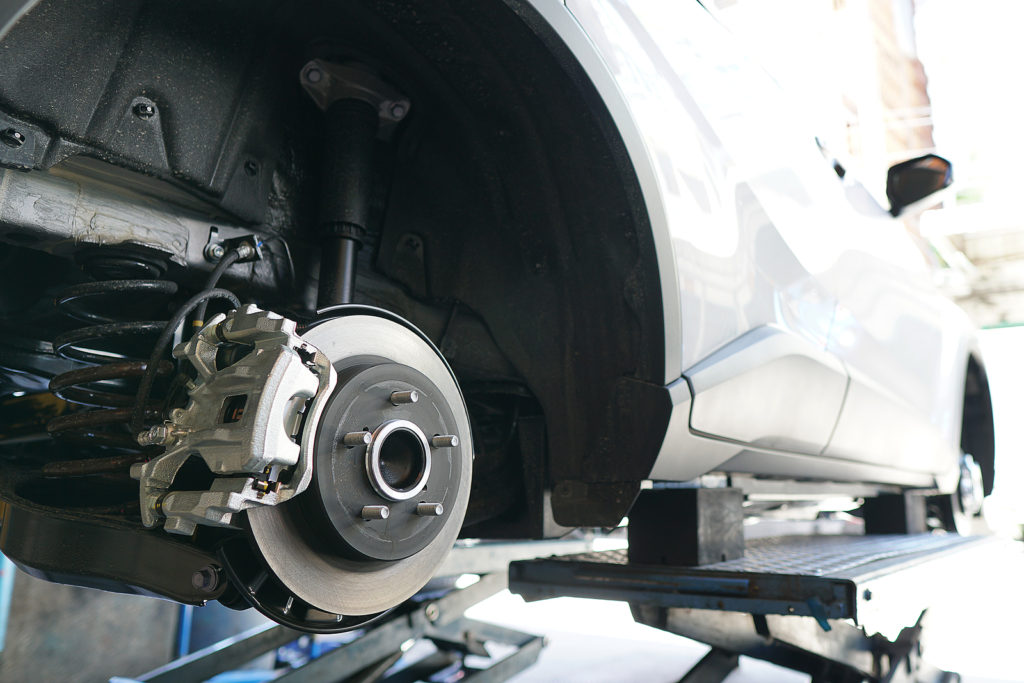
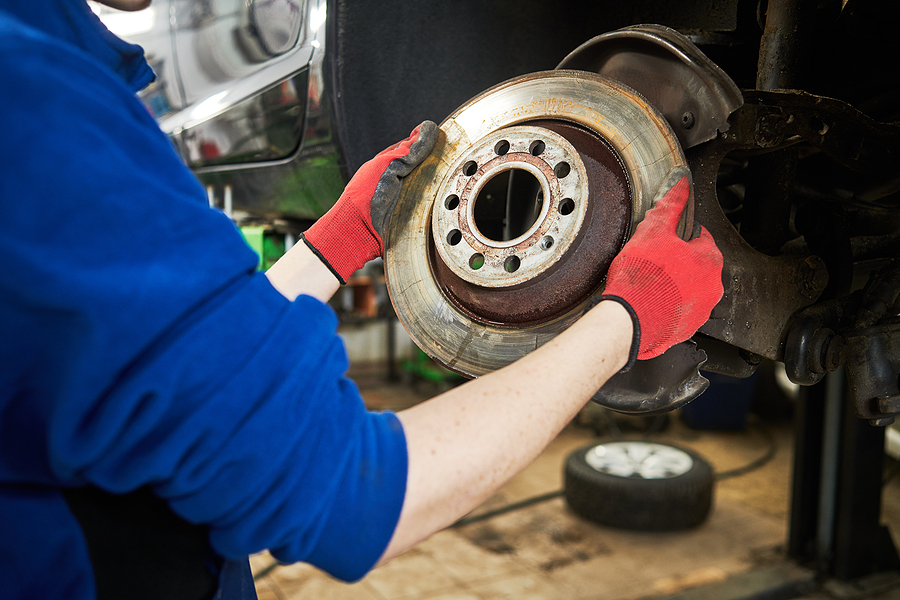
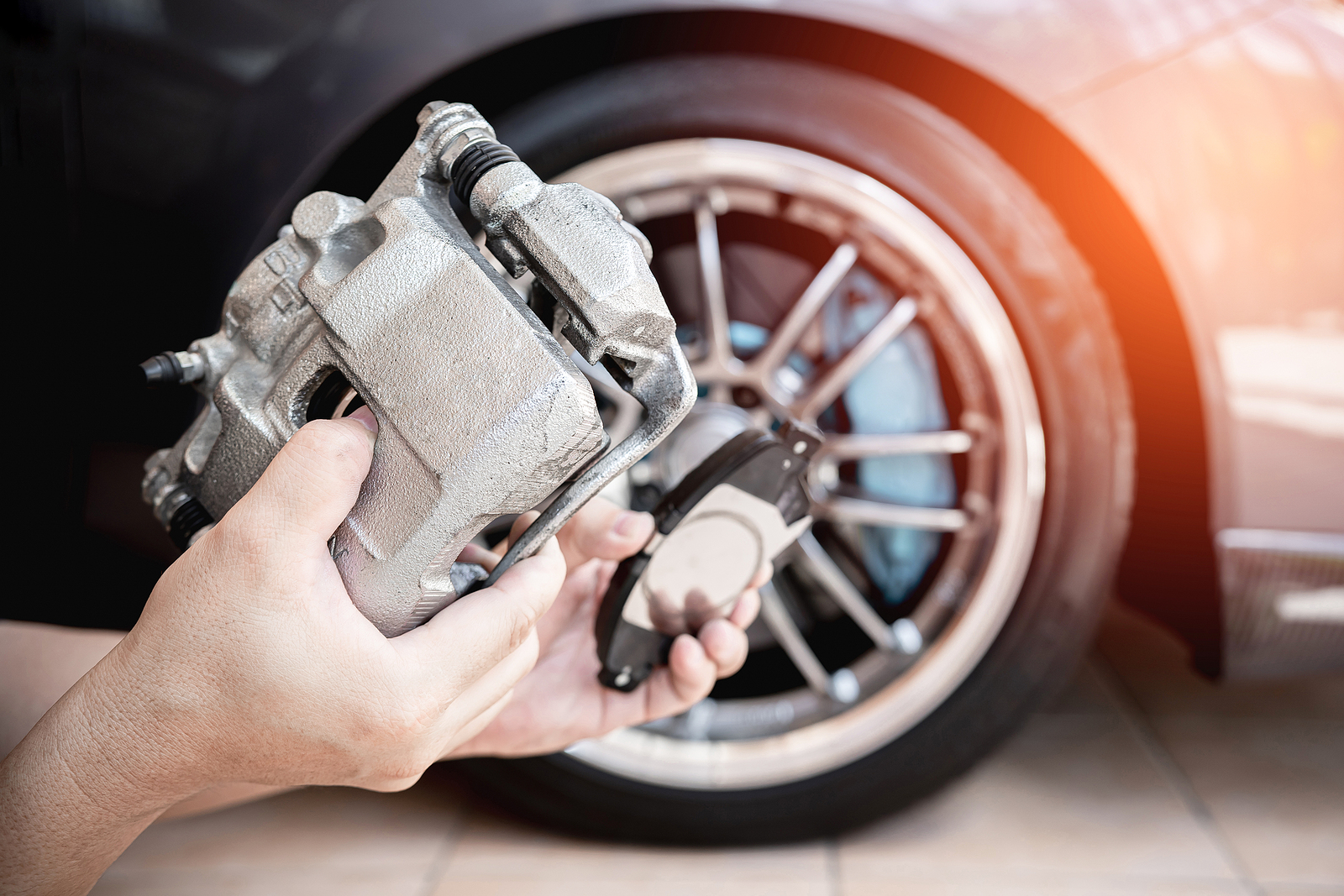
Most cars these days are designed with disc brakes; usually on just the front wheels, but sometimes on all four. Disc brakes contain brake rotors that attach directly to the wheel of a car. Hydraulic pressure is produced by the master cylinder, which then causes the caliper to squeeze the pads on both sides of the brake rotor. This friction, between the rotor and the pads against the wheel, is what makes a vehicle stop.

Ⅱ Drum Brakes

Drum brakes are called drum brakes because they have a brake drum attached to the inside of a wheel. A brake drum is a spinning, cylindrical, automotive component attached to a wheel. This component is what the brakes shoes press into when coming to a stop. They operate similarly to disc brakes. In fact, most cars these days are equipped with drum brakes on the back wheels, and disc brakes on the front.

Anti-Lock Brakes

Many drivers are familiar with anti-lock brakes, or ABS, especially because of how much they are advertised in the media among car commercials. Most modern vehicles are designed with anti-lock braking system, which prevent wheels from locking up upon a sudden impact on the brake. Not only do they prevent tires from skidding when coming to a sudden stop, they allow drivers to stop sooner.

Ⅳ Emergency Brakes

Also known as parking brakes, emergency brakes are incorporated as a secondary braking system in a vehicle, designed to operate separately from the primary automotive braking system. They come in many forms, depending on the make and model of your vehicle. Common forms include the stick between the driver’s seat and middle console, a third pedal at your feet, a lever near the steering column, and even a push button for modern, luxury vehicles.

European Car Brake Service and Repair in Carmel Indiana

Call Autohaus Dierolf at 317-571-0800 for European car brake repair in Indianapolis, Indiana. We specialize in European and British cars, and offer dealership level diagnostics for braking systems, transmission and engine problems, electrical malfunctions, and more. We also provide a wide range of additional auto repair services, including factory schedule maintenance and more. Request a free estimate, today.

European Automotive Repair Carmel
European Automotive Repair Carmel Indiana 317-577-0800