
German cars earn their reputation honestly. The precise handling of a BMW, the refined comfort of a Mercedes-Benz, the clever design of an Audi—these vehicles deliver an experience that’s hard to match. But that engineering excellence comes with a catch most owners know all too well: repair bills can be eye-watering, especially when genuine parts enter the conversation.
Here’s the encouraging news. You don’t have to drain your savings to keep your German vehicle running beautifully. Quality used auto parts can cut repair costs roughly in half while maintaining the performance and reliability your car was built to deliver.
The key word, though, is quality. Buying used isn’t about settling for less—it’s about knowing what to look for, where to shop, and how to verify that a part will serve you well. This guide walks you through everything you need to make confident, money-saving decisions for your Mercedes, BMW, Audi, Volkswagen, or other German vehicle.
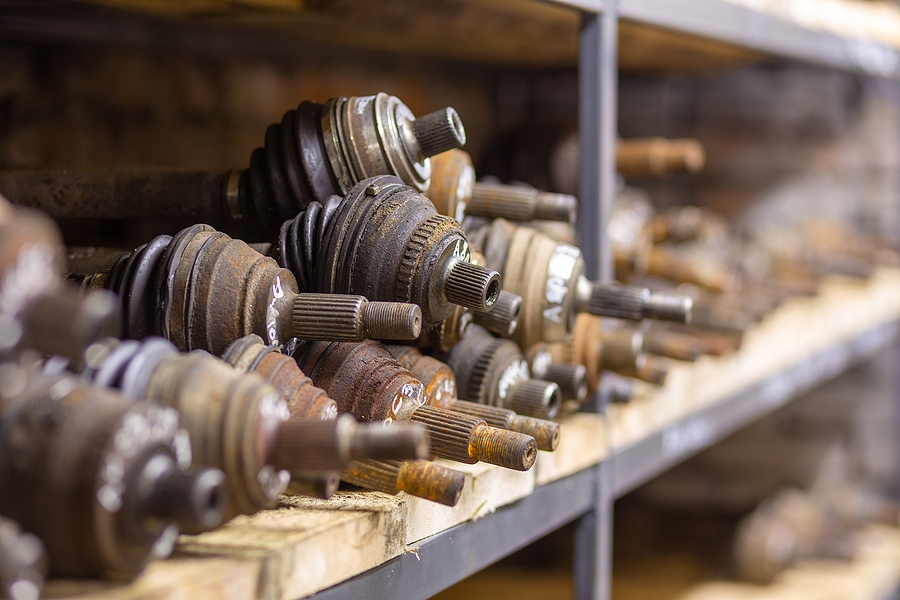
Why Choose Used German Auto Parts?
Used parts have shaken off their old reputation. For German vehicles in particular, they often represent the smartest path forward.
Cost-Effectiveness Without Compromise
The savings speak for themselves. Brake pads that run $80 new average around $40 used. A side mirror drops from $150 to $75. The gap widens dramatically on bigger components: a headlight assembly falls from $300 to $150, an alternator from $400 to $200, and an Engine Control Unit (ECU) from $800 to $400. Catalytic converters, pricey because of their precious metal content, can drop from $1,200 new to $600 used.
Those numbers compound fast. A repair that would cost $2,000 in new parts could be completed for roughly $1,000 with quality used alternatives—without sacrificing the reliability your vehicle needs.
Sustainable and Eco-Friendly Choices
Every used part you install keeps a functional component out of a landfill and reduces demand for new manufacturing. That means fewer raw materials extracted, less energy consumed, and a smaller carbon footprint for your maintenance routine. Choosing used parts is a practical way to participate in a circular economy while caring for your car.
Access to Rare and Discontinued Parts
Older German vehicles often outlive their manufacturers’ new-parts supply. When a component is no longer produced, the used market becomes your best—and sometimes only—option. Specialized suppliers maintain inventory for models that dealerships have long since abandoned, keeping classic and aging vehicles on the road.
What to Look For When Buying Used German Auto Parts
A great deal turns into a costly mistake when the wrong part lands on your doorstep. A little diligence protects your investment.
Verifying Part Compatibility
German manufacturers use precise part-numbering systems, and they frequently release multiple revisions of the same component within a single model year. Even a minor variation can create compatibility headaches. Always match part numbers against your vehicle’s specifications, and check your service manual or consult a knowledgeable German automotive specialist before you buy.
Assessing Part Condition and Wear
Used parts come in a range of conditions, and knowing the categories helps you match quality to your budget:
- Like New: Minimal wear, often from vehicles with minor damage or aftermarket upgrades.
- Slightly Used: Light signs of use with excellent working condition.
- Used – Good Condition: Moderate wear, fully functional and reliable.
- Used – Fair Condition: Noticeable wear, suitable for budget or temporary repairs.
- Reconditioned: Professionally restored, often the best balance of price and reliability.
Inspect every part carefully. Look for cracks, stripped threads, and bent mounting tabs. Test moving components—bearings should rotate smoothly, and springs should compress without resistance. Give electrical connections on items like alternators and ECUs a close look.
The Importance of Reputable Sellers
Not all suppliers are equal, especially when German precision is involved. Prioritize sellers who specialize in European vehicles and maintain detailed inventory records, including part numbers and condition assessments. A trustworthy Indianapolis auto parts supplier will share part history—mileage, previous usage, removal circumstances—and back their inventory with a warranty or return policy.
Top German Makes and Models for Used Parts
Some makes lend themselves especially well to used-parts shopping thanks to their build quality and widespread availability.
Mercedes-Benz: Luxury and Longevity
Mercedes vehicles are engineered to last, which means their components frequently have plenty of useful life left even after being removed. Used Mercedes parts let you maintain that signature luxury feel without paying full dealership prices.
BMW: Performance and Precision
BMW’s performance focus makes genuine parts costly, so the used market offers meaningful relief. From electronics to suspension components, quality used BMW parts help you preserve the precise driving dynamics the brand is known for.
Audi: Innovation and Style
Audi blends advanced technology with elegant design, and replacing those sophisticated components new can be expensive. Used Audi parts—sourced carefully and verified for compatibility—keep both the innovation and the style intact.
Volkswagen: Reliability and Accessibility
Volkswagen’s popularity works in your favor. With so many vehicles on the road, used VW parts are widely available and often very affordable, making them an easy entry point for budget-conscious owners.
Common Used German Auto Parts to Consider
Almost any component can be sourced used, but a few categories deliver especially strong value.
Engine Components and Transmissions
Major drivetrain components carry the highest new-part price tags, so the savings here are substantial. Just be sure these complex parts are thoroughly inspected and, in most cases, installed by a professional.
Body Panels and Exterior Trim
Mirrors, bumpers, fenders, and trim pieces are common casualties of parking lots and minor fender-benders. Used body parts restore your vehicle’s appearance at a fraction of the cost of new.
Interior Parts and Electronics
Seats, trim panels, infotainment modules, and switches often hold up well over time. Used interior and electronic components can refresh your cabin or replace a failed module affordably—though always verify electronic parts for proper compatibility.
Tips for a Successful Purchase
A few habits separate a smooth purchase from a frustrating one.
Asking the Right Questions
Before you commit, ask about the part’s mileage, the vehicle it came from, and why it was removed. Request documentation when it’s available. A confident seller will answer readily and provide context that helps you judge remaining useful life.
Return Policies and Warranties
Warranty coverage on used parts typically ranges from 30 days to a full year, with pricier components often carrying longer terms. Confirm the policy in writing before you buy, and keep all receipts and documentation in case you need to make a claim.
Professional Installation Recommendations
Simple jobs like brake pads, air filters, or interior trim are well within reach for skilled DIYers. But complex and safety-critical systems—ECUs, transmissions, catalytic converters, oxygen sensors—deserve professional car part installation to ensure proper function and keep your vehicle compliant and safe. Whenever you install a part yourself, use new gaskets, seals, and hardware to guard against leaks.
Frequently Asked Questions
Are used German auto parts reliable?
Yes, when selected and installed correctly. Quality used parts should not compromise performance or safety. Inspect each part thoroughly, prioritize reputable suppliers, and have safety-critical components installed by a qualified professional.
How can I find compatible parts for my specific model?
Verify part numbers against your vehicle’s specifications, since German manufacturers often use several revisions for the same model year. Your service manual is a reliable reference, and a parts specialist who knows European vehicles can confirm the right fit.
What’s the difference between OEM and aftermarket used parts?
OEM (Original Equipment Manufacturer) parts are made to the vehicle maker’s exact specifications, ensuring optimal fit and function. Aftermarket parts are produced by third parties and can vary in quality. Used OEM parts frequently outperform new aftermarket alternatives while costing far less than new OEM components.
Keep Your German Car Running for Less
Choosing quality used parts is one of the smartest moves a German car owner can make. You save significantly, reduce waste, and keep your vehicle performing the way its engineers intended. Success comes down to three things: shop with a reputable specialist, inspect parts carefully, and install them properly.
For quality German used auto parts in Carmel, Indiana, Autohaus Dierolf offers the best deals on used car parts for Mercedes, BMW, Audi, Volkswagen, and more. Reach out today to explore the inventory and discover how much you can save on your next repair.
Related Post: Replacing Suspension Parts in German Cars: Average Costs and More