
Driving a luxury German vehicle feels incredible, but a failing suspension system can quickly turn that smooth ride into a stressful, bumpy ordeal. You might notice your car leaning to one side, or perhaps you feel every single pothole on the road. These issues are not just uncomfortable. They are clear signs that your vehicle needs immediate attention.
Understanding how suspension wear affects your car is crucial for maintaining its performance and safety. German cars, such as those from BMW, Mercedes-Benz, Audi, and Porsche, utilize highly advanced engineering. When components like air suspension bags or shock absorbers begin to fail, replacing them requires specific expertise and parts.
This guide breaks down the average costs of having suspension parts replaced in German models. We will cover the specific components involved, the signs of system failure, and what you can expect to pay for parts and labor. By the end of this post, you will know exactly how to approach your next suspension repair.
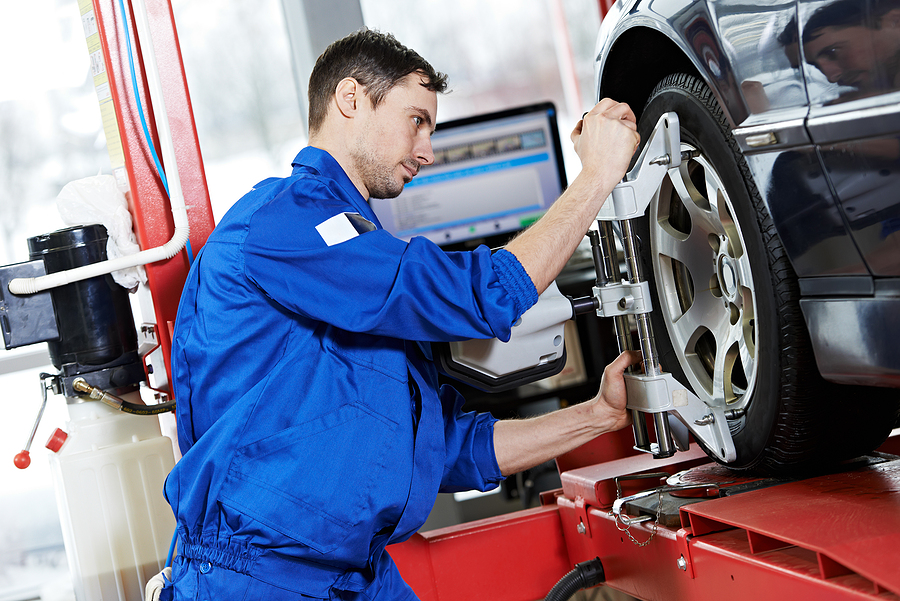
Understanding German Automotive Suspension Systems
Your car’s suspension does much more than provide a comfortable cabin experience. It keeps your tires firmly planted on the road, allowing for safe braking and precise steering.
The Precision of German Engineering
German automakers are famous for their precise, performance-oriented engineering. Instead of standard setups, many luxury models feature adaptive or active suspension systems. These dynamic systems constantly adjust to road conditions, vehicle speed, and steering inputs. While this delivers an unparalleled driving experience, it also means the underlying mechanics are highly complex.
Common Suspension Components
A standard suspension system features springs and shock absorbers. However, higher-end German models frequently use advanced air suspension systems. Instead of traditional steel coil springs, these vehicles rely on rubber air springs (or air bags) filled with pressurized air. Both systems also use struts, control arms, and specialized software to keep the vehicle balanced.
Air Suspension Systems in German Vehicles
Air suspensions offer a cloud-like ride, but the rubber components naturally degrade over time due to age, temperature fluctuations, and road debris.
How Air Suspension Works
An engine-driven or electric air compressor pumps air into flexible rubber bellows located at each wheel. Advanced sensors monitor the vehicle’s height and adjust the air pressure in real-time. This keeps the car perfectly level, even when carrying heavy cargo or cornering at high speeds.
Signs of Air Suspension Failure
A failing air suspension isn’t just an unsightly nuisance; it’s a condition that can cause long-term damage to your compressor. Watch out for these common warning signs:
- The car sags visibly in the front or rear.
- You hear a constant hissing sound near the wheel wells.
- The air compressor runs non-stop, trying to overcompensate for a leak.
- The ride feels excessively bouncy or harsh.
Average Cost to Replace Air Suspension Bags
Because of their complexity, air suspension repairs carry a premium. Depending on the exact make and model, replacing air suspension bags ranges widely. For example, replacing the air spring on a 2024 Mercedes-Benz GLS580 generally costs between $844 and $958. However, an Audi Q7 active suspension air spring replacement averages between $2,726 and $3,080. Similarly, a Porsche Cayenne air spring replacement can run between $2,878 and $3,060.
Labor makes up a significant portion of this bill, often ranging from $240 to over $1,100 depending on the difficulty of accessing the components. Complete aftermarket air suspension kits can range from $2,000 to $7,000.
Shock Absorbers and Struts: German Car Specifics
If your German car does not use air bags, it relies on high-quality shock absorbers and struts to manage road impact.
Function of Shock Absorbers
Shock absorbers do exactly what their name implies. They absorb and dampen the kinetic energy generated when your car hits a bump. This prevents the vehicle from bouncing uncontrollably, ensuring the tires maintain contact with the pavement.
When to Replace Your German Car’s Shock Absorbers
Shocks slowly lose their effectiveness over time as internal hydraulic fluid degrades or leaks. You should have your shocks inspected if your car nose-dives when braking, rolls heavily during turns, or exhibits uneven tire wear. Leaking fluid on the exterior of the shock housing is a guaranteed sign that replacement is necessary.
Estimated Costs for Shock Absorber Replacement
While standard cars might see shock replacement costs around $400 for a pair, German vehicles require specialized components. Replacing shock absorbers on a BMW or similar European model typically costs between $500 and $2,000. The parts alone can range from $200 to $1,600 depending on whether your car uses standard shocks or an Electronic Damper Control (EDC) system.
Factors Influencing Suspension Repair Costs
Repairing a German car requires careful planning, as several variables dictate the final invoice.
Model and Make Variations
The specific model you drive heavily influences repair costs. A flagship luxury sedan like a Mercedes S-Class features a far more intricate active suspension setup than an entry-level Audi A3. The more advanced the technology, the higher the replacement cost.
Part Quality: OEM vs. Aftermarket
Original Equipment Manufacturer (OEM) parts come directly from the automaker and guarantee a perfect fit and standard performance. However, they are the most expensive option. High-quality aftermarket brands often provide reliable alternatives at a lower price point. Consulting with a trusted mechanic can help you decide which route is best for your budget and driving habits.
Labor Rates and Mechanic Expertise
German cars are notoriously tightly packaged, making parts difficult to access. This increases the total labor hours required for a seemingly straightforward job. Dealerships typically charge the highest labor rates. Independent shops specializing in European vehicles often provide comparable expertise at a more reasonable hourly rate.
Why Professional Repair Matters for German Cars
Trusting your luxury vehicle to a general repair shop can lead to costly mistakes. German vehicles require a specialist’s touch.
Maintaining Performance and Safety
Your suspension is a vital safety system. Improperly installed air bags or poorly calibrated shocks can severely compromise your ability to steer and brake. A local German car mechanic ensures that every bolt is torqued correctly and that the system functions exactly as the manufacturer intended.
The Importance of Specialized Tools and Knowledge
Replacing physical parts is only half the battle. After a suspension repair, German cars require extensive software recalibration. Technicians use professional bi-directional diagnostic tools, such as ODIS for Audi and Porsche or Ross-Tech VCDS, to communicate with the car’s computer. This software resets the ride height sensors and clears fault codes. Without this crucial step, the new suspension will not operate correctly.
Frequently Asked Questions
How long do air suspension bags last on a German car?
Most air suspension bags last between 80,000 and 100,000 miles. However, harsh climates and poor road conditions can cause the rubber to dry out and crack much sooner.
Can I replace just one shock absorber?
Mechanics strongly advise against replacing just one shock absorber. You should always replace them in pairs (both front or both rear) to ensure balanced handling and even tire wear.
Why does my air compressor keep running?
A constantly running compressor usually indicates a leak in the air bags or the air lines. The compressor is working overtime to maintain pressure. If left unaddressed, the compressor will eventually burn out, leading to a much more expensive repair.
Keep Your German Car Driving Smoothly
A well-maintained suspension system is the secret behind the luxurious, responsive feel of a German automobile. While the costs of replacing air bags and shock absorbers can be significant, catching the warning signs early can save you from catastrophic component failure. Always prioritize specialized care to ensure your safety and protect your investment.
If you are experiencing a bumpy ride, do not wait for the problem to worsen. For expert, professional suspension repair and maintenance in Carmel, Indiana, contact our specialized service center today to schedule a comprehensive diagnostic inspection.
Related Post: Why Your German Car Hesitates When Accelerating and How to Fix It