
Volkswagen engines are known for their refined performance, but even the best-engineered vehicles have weak points. Water pump failures and coolant leaks rank among the most common issues VW owners encounter, particularly in models with EA888 1.8T and 2.0T engines. These problems rarely appear without warning, yet many drivers miss the early signs until a small leak becomes a costly repair.
A coolant leak isn’t just an inconvenience. Your VW’s cooling system keeps the engine at a safe operating temperature, and even a minor leak can lead to overheating, warped cylinder heads, or complete engine failure if left unaddressed. Knowing what causes these leaks—and catching them early—can save you thousands of dollars and extend the life of your vehicle.
This guide breaks down the most common causes of VW water pump and coolant leaks, the warning signs to watch for, and practical steps you can take to protect your engine.
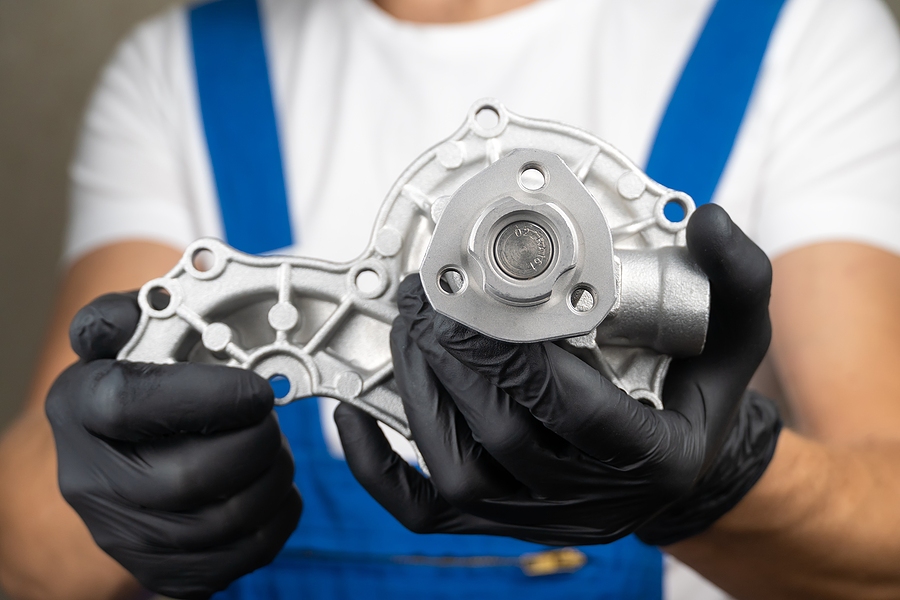
Common Causes of Water Pump Failures
Manufacturing Defects in Older VW Models
Many older Volkswagen models use water pump and thermostat housing assemblies made from plastic rather than metal. While this design choice reduces weight and cost, it also makes these components more vulnerable to cracking under repeated heat cycling. Owner forums have widely reported this issue on EA888 1.8T and 2.0T engines, where the plastic housing degrades faster than the rest of the cooling system.
Wear and Tear From High Mileage
Like any mechanical part, water pumps have a limited lifespan. The internal bearings and seals wear down over time, especially in vehicles that see frequent short trips or stop-and-go driving. As mileage accumulates, the shaft seal can weaken, allowing coolant to seep through the pump’s weep hole—a telltale sign that replacement is on the horizon.
Coolant Degradation Over Time
Coolant doesn’t last forever. As it breaks down, it loses its ability to lubricate internal components and resist corrosion. Degraded coolant can accelerate wear on the water pump’s seals and bearings, turning a routine maintenance item into a mechanical failure. Using the wrong coolant type—or mixing incompatible formulas—can speed up this breakdown even further.
Signs Your VW Has a Coolant Leak
Catching a coolant leak early often means the difference between a simple repair and a major engine overhaul. Watch for these warning signs:
- Puddles under the vehicle. A bright green, orange, pink, or purple puddle beneath your parked VW is often the first visible clue.
- A sweet smell near the engine. Coolant has a distinct sweet odor that becomes noticeable when it leaks onto hot engine components.
- Overheating warning lights. If your dashboard’s temperature warning illuminates, your cooling system may be losing fluid.
- Low coolant levels. Regularly check your coolant reservoir. If the level keeps dropping without an obvious reason, a leak is likely developing somewhere in the system.
Any one of these signs warrants a closer inspection before the issue worsens.
Coolant System Components and Weak Points
Water Pump Housing Vulnerabilities
As mentioned earlier, the plastic housings found in many VW water pump assemblies are prone to cracking. Heat cycling causes the plastic to expand and contract repeatedly, which weakens the material over time and creates small fissures where coolant can escape.
Hose Connections Prone to Deterioration
Coolant hoses are made from rubber compounds that harden and crack as they age. Constant exposure to heat and pressure accelerates this deterioration, particularly at connection points where hoses attach to the engine, radiator, or reservoir.
Gasket and Seal Failures
Gaskets and seals throughout the cooling system are designed to contain coolant under pressure. Over time, heat exposure can cause these components to shrink or harden, creating gaps that allow coolant to escape slowly.
Thermostat Housing Issues
The thermostat housing regulates coolant flow between the engine and radiator. In many VW models, this housing is also made from plastic and shares the same vulnerability to cracking as the water pump assembly. A failing thermostat housing often leaks at the gasket or along stress points in the housing itself.
Prevention and Maintenance Tips
Routine maintenance remains the best defense against costly cooling system repairs. Consider these practices:
- Schedule regular coolant flushes and replacements. Fresh coolant protects internal components from corrosion and maintains proper heat transfer. Follow your owner’s manual for the recommended coolant replacement interval, since this varies by model and year.
- Inspect hoses for cracks or bulges. A visual check during routine oil changes can catch deteriorating hoses before they fail.
- Monitor your temperature gauge. Pay attention to any gradual increase in operating temperature, which can signal a developing leak or failing component.
- Use manufacturer-approved coolant. Volkswagen specifies coolant formulas like G12evo and G13 (part of the VW TL 774 family). Color alone isn’t a reliable way to identify the correct coolant, since several VW-approved formulas share similar pink or purple hues. Always check the label and your owner’s manual before topping off or replacing coolant, and avoid generic “universal” coolants unless they explicitly meet VW specifications.
When to Seek Professional Repair
Symptoms That Require Immediate Attention
If you notice overheating, a sweet smell inside the cabin, or visible coolant puddles, it’s time to have your vehicle inspected. These symptoms indicate your cooling system is already compromised and needs prompt attention.
Risks of Ignoring Coolant Leaks
Driving with a persistent coolant leak risks severe engine damage. Low coolant levels can cause the engine to overheat, which may warp the cylinder head, blow a head gasket, or cause complete engine failure. What starts as an affordable repair can quickly escalate into a multi-thousand-dollar engine rebuild.
Importance of Certified VW Technicians
Volkswagen’s cooling systems, particularly on EA888-equipped models, require specialized knowledge to diagnose and repair correctly. Certified VW technicians understand the specific vulnerabilities of these engines and have access to the right parts and coolant formulations.
If you’re in the Carmel, Indiana area, the team at Autohaus Dierolf specializes in VW coolant system diagnostics and repair, helping you address leaks before they cause lasting damage.
FAQ
How much does a VW water pump replacement cost?
Costs vary significantly by model and engine. According to RepairPal, a 2010 VW GTI water pump replacement averages between $1,223 and $1,555, while a comparable Jetta repair runs between $1,040 and $1,302. Older models, like a 2000 Jetta, may cost less—RepairPal estimates $436 to $613, including roughly $183 to $269 in labor. Final pricing depends on your specific model, engine, and whether the thermostat or timing belt is replaced during the same service.
Can I drive with a coolant leak?
Driving with a coolant leak is risky and can lead to overheating and severe engine damage. If you notice signs of a leak, it’s best to have your vehicle inspected before continuing to drive it regularly.
How often should I replace my coolant?
Replacement intervals vary by model and year. Check your owner’s manual or service schedule for your specific VW’s recommended coolant replacement interval.
What type of coolant does my VW need?
Most modern Volkswagens require G12evo or G13 coolant, part of the VW TL 774 family. Since color isn’t a reliable identifier, always confirm compatibility using the label and your owner’s manual before adding or replacing coolant.
Protect Your VW’s Cooling System
Water pump failures and coolant leaks often stem from a combination of aging components, material vulnerabilities, and degraded coolant. Recognizing the early warning signs—puddles, sweet smells, warning lights, and low coolant levels—gives you the chance to address problems before they escalate into major engine damage.
Regular maintenance, including coolant flushes and hose inspections, goes a long way toward preventing these issues. But when a leak does develop, prompt professional repair is essential.
If you’re searching for a trusted VW specialist in Carmel, Indiana, contact Autohaus Dierolf for expert coolant system diagnostics and repair. Our team can help keep your Volkswagen running smoothly for years to come.
Related Posts:
Keep Your Volkswagen Performing: The Ultimate German Car Care Guide
Recommended Roadside Safety Kit for Volkswagen Drivers
Your Guide to VW Repair and Care