
Owning a Mercedes-Benz comes with a promise of precision engineering and lasting performance. But when a part needs replacing, the price tag on a brand-new OEM component can feel like a gut punch. That’s where used parts come in—a practical way to keep your Mercedes running smoothly without draining your wallet.
The trick is knowing where to look and what to look for. Not every used part is created equal, and a wrong choice can cost you more time and money than you saved in the first place. This guide walks you through finding reliable sources, verifying quality, and avoiding the pitfalls that trip up even seasoned Mercedes owners.
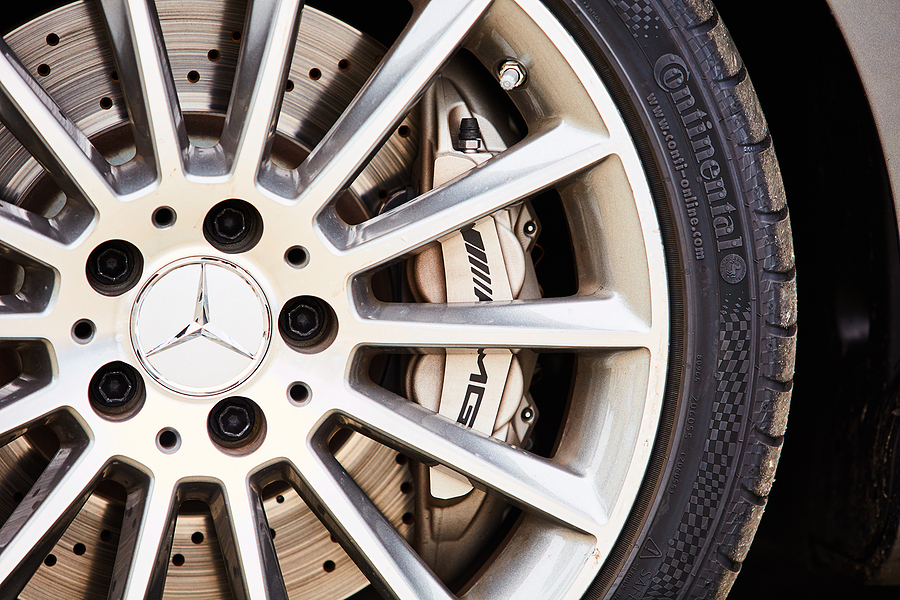
Where to Find Quality Used Mercedes Benz Parts
The source of your used part matters just as much as the part itself. A trustworthy seller reduces your risk of counterfeit or mismatched components significantly.
European/German Auto Repair Shops
German and European automotive repair shops can be a goldmine for used Mercedes parts. Many of these specialists routinely service older Mercedes-Benz models and may keep a selection of quality secondhand parts pulled from similar vehicles they’ve repaired or dismantled.
These shops often have firsthand knowledge of how the parts perform, ensuring you’re getting components that are both compatible and reliable. Additionally, their expertise allows them to guide you on how a particular part might fit into your repair process. Always inquire about warranties or guarantees on used items to ensure peace of mind before making a purchase.
For trusted advice and quality used auto parts tailored to your Mercedes-Benz, visit Autohaus Dierolf in Carmel, Indiana, or call us today to get your vehicle back on the road with confidence.
Authorized Dealerships and Certified Retailers
Mercedes-Benz dealerships and certified retailers sometimes sell used or take-off parts removed from trade-in vehicles. These parts typically come with documentation confirming their origin, giving you confidence in their authenticity and condition.
Online Marketplaces and Specialty Vendors
Specialty auto parts vendors that focus specifically on European or Mercedes-Benz vehicles tend to have better quality control than general marketplaces. If you’re browsing broader platforms like eBay, stick to sellers with strong ratings, detailed part photos, and clear return policies. A rock-bottom price from an unverified seller often isn’t worth the gamble.
Local Salvage Yards and Auto Recyclers
Salvage yards and auto recyclers might be a good resource for hard-to-find or discontinued parts, especially for older Mercedes models. Look for yards with positive customer reviews and staff who can confirm the part’s donor vehicle, mileage, and condition before you buy.
How to Verify Authenticity and Condition
Once you’ve found a promising source, the real diligence begins. Verifying a part’s authenticity and condition protects you from costly surprises down the road.
Check Part Numbers Against Original Specifications
Every genuine Mercedes-Benz part carries an OEM part number, usually stamped or printed directly on the component. Cross-reference this number against your vehicle’s specifications to confirm compatibility before handing over payment.
Inspect for Wear, Damage, and Function
Whenever possible, inspect the part in person or request detailed photos and videos. Look for cracks, corrosion, worn threads, or signs of prior repair. For electrical or mechanical components, ask the seller to demonstrate that the part functions correctly.
Request Documentation and Warranty Information
Reputable sellers should be able to provide some form of documentation, such as the donor vehicle’s make, model, and mileage. A warranty, even a short one, is a strong signal that the seller stands behind their inventory.
Cost Savings and Budget Considerations
Buying used doesn’t just save money upfront. It’s a strategic decision that requires weighing a few additional factors.
OEM vs. Used Price Differences
Used OEM parts are almost always more affordable than their brand-new counterparts, sometimes substantially so. For non-critical components, like trim pieces or interior hardware, the savings can make a real difference in your Mercedes repair budget.
Hidden Costs to Watch For
Shipping fees, potential restocking charges, and the cost of professional installation can all add up. Factor these into your total cost comparison rather than looking at the sticker price alone.
When New Parts Make More Sense
For safety-critical components, such as brakes, airbags, or steering parts, investing in new OEM parts is usually the wiser choice. The peace of mind and warranty coverage that come with new parts often outweigh the savings on higher-risk components.
Common Mistakes to Avoid
Even careful shoppers can fall into a few predictable traps when buying used parts.
Buying from Unreliable Sellers
Skipping due diligence on a seller’s reputation is one of the fastest ways to end up with a faulty or misrepresented part. Always check reviews, return policies, and buyer protections before completing a purchase.
Overlooking Compatibility Issues
Mercedes-Benz models often have subtle variations across trim levels and production years. A part that fits one C-Class might not fit another from a different model year. Always confirm compatibility using your vehicle’s VIN or part number.
Skipping Inspection Before Purchase
It’s tempting to buy quickly when you find a good deal, but skipping inspection is a gamble. Take the time to verify condition and function, even if it means asking a few extra questions before you commit.
Frequently Asked Questions
Are used Mercedes Benz parts reliable?
Yes, when sourced from reputable sellers. Used OEM parts retain the original manufacturer’s engineering and, in many cases, still have plenty of service life left. Reliability comes down to the seller’s transparency and the part’s documented condition.
How do I know if a used part will fit my vehicle?
Cross-reference the part number with your Mercedes-Benz’s VIN and original specifications. Sellers who specialize in Mercedes parts can typically confirm compatibility before you buy.
What warranty coverage typically comes with used parts?
Coverage varies by seller. Some offer 30- to 90-day warranties, while others provide no warranty at all. Always ask about return policies and warranty terms before finalizing your purchase.
Get Expert Help Finding the Right Part
Buying used Mercedes-Benz parts is one of the smartest ways to maintain your vehicle without overspending, as long as you know where to look and what questions to ask. Verify your sources, check part numbers, and don’t skip the inspection step.
If you’d rather leave the guesswork to the professionals, visit Autohaus Dierolf in Carmel, Indiana. Our team specializes in quality used Mercedes-Benz parts and expert guidance, so you can keep your vehicle running at its best without the stress of sourcing parts on your own.
Related Posts:
What to Do About a Broken Mercedes-Benz Logo
Your Dream Drive Awaits: Expert Tips for Buying a Used Mercedes
Your Guide to Buying Used German Auto Parts