
If your Audi seems thirstier for oil than it used to be, you’re not imagining things. Oil burning is a well-documented issue in certain Audi engines, and ignoring it can lead to serious engine damage over time. The good news? Once you know what’s causing it, you can take the right steps to protect your engine and your wallet.
This guide walks through the most common causes of oil consumption in Audis, how to spot the warning signs, and what to do if your vehicle is affected. Addressing the problem early often means the difference between a simple repair and a costly engine overhaul.
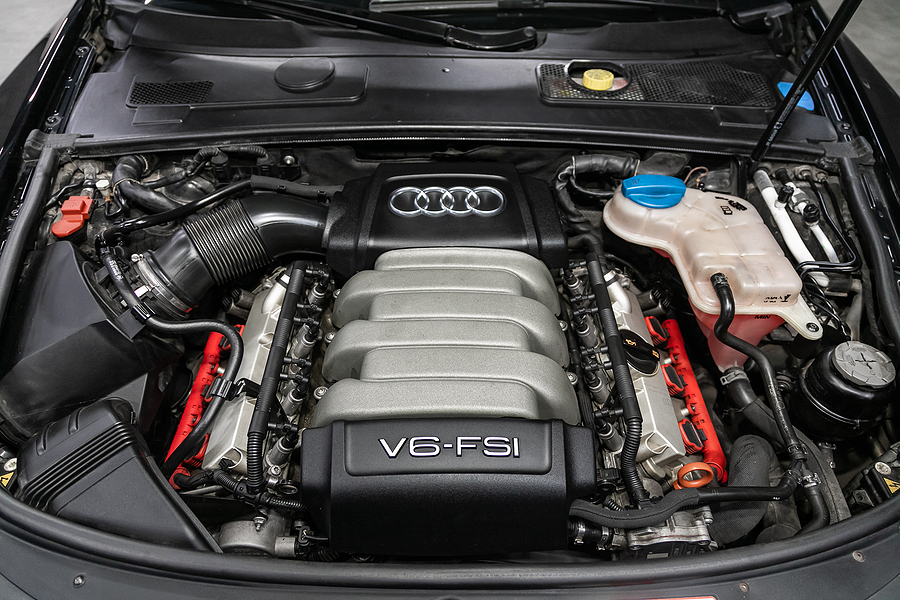
Common Causes of Oil Burning in Audis
Several mechanical issues can cause an Audi to burn through oil faster than expected. Here are the usual suspects.
Worn Piston Rings
Piston rings seal the combustion chamber and help regulate oil flow within the cylinder. When these rings wear down or become stuck in their grooves, oil can slip past them and burn off during combustion. This issue is particularly well known in certain Audi 2.0T TFSI engines, where owners have reported noticeable oil consumption tied to this exact problem. Worn piston rings are one of the more serious causes on this list, since fixing them typically requires significant engine work.
Valve Stem Seal Degradation
Valve stem seals keep oil from leaking into the combustion chamber through the valve guides. Over time, heat and age can cause these seals to harden, crack, or shrink. Once that happens, oil seeps past the valves and gets burned along with fuel, often producing a telltale puff of blue smoke on startup.
PCV System Malfunctions
The Positive Crankcase Ventilation (PCV) system manages pressure inside the engine by recirculating crankcase gases. When the PCV valve fails, it can disrupt this balance and cause oil to be pulled into the intake system and burned. A failing PCV valve is a common culprit behind oil consumption complaints, and replacing it is generally one of the more affordable fixes on this list. That said, a PCV repair doesn’t always solve the problem entirely, especially if the piston rings are also affected.
Turbocharger Issues
Many Audi models rely on turbochargers to boost performance, and these components depend on a steady supply of oil for lubrication. If turbo seals wear out or fail, oil can leak into the intake or exhaust system and burn off. This issue tends to show up alongside visible exhaust smoke and a drop in overall engine performance.
Low-Quality or Incorrect Oil Viscosity
Not all engine oils are created equal, and using the wrong viscosity or a low-quality product can accelerate wear on internal components. Audi engines are engineered to work with specific oil specifications, so straying from manufacturer recommendations can contribute to oil breakdown and increased consumption over time.
How to Identify If Your Audi Is Burning Oil
Catching the signs early can save you from a much larger repair bill down the road.
Warning Signs to Watch For
A few symptoms tend to show up when oil consumption becomes a problem:
- Blue or gray smoke coming from the exhaust, especially during acceleration or startup
- A burning oil smell inside or around the vehicle
- Oil levels dropping noticeably between scheduled service intervals
- Decreased engine performance or rough idling
How to Check Your Oil Level Properly
Checking your oil is simple but easy to overlook. Park on level ground, let the engine cool for a few minutes, then pull the dipstick, wipe it clean, reinsert it fully, and check the reading. Doing this regularly, not just at scheduled service visits, helps you catch a downward trend before it becomes a bigger issue. Because acceptable oil consumption varies by engine and model year, it’s worth checking your owner’s manual or asking a German automotive technician what’s considered normal for your specific Audi.
When to Get a Professional Diagnosis
If you notice any of the warning signs above, or if your oil level keeps dropping faster than expected, it’s time to bring your car in for a professional look. A trained Audi technician can run compression tests, inspect the PCV system, and pinpoint exactly where the oil is going, rather than leaving you to guess.
What You Should Do About Audi Oil Consumption
Once you suspect your Audi is burning oil, a few clear steps can help you address it properly.
Immediate Steps to Take
Start by checking your oil level and topping it off if needed, using the oil type specified in your owner’s manual. Keep an eye on how quickly the level drops over the following days or weeks. Avoid driving on a low oil level for an extended period, since this can cause additional engine wear.
Professional Inspection and Diagnostic Process
A proper diagnosis usually involves a visual inspection, an oil consumption test over a set mileage interval, and sometimes a compression or leak-down test to assess the condition of the piston rings and valve seals. This process helps your technician determine whether you’re dealing with a quick fix or a more involved repair. The team at Autohaus Dierolf in Carmel, Indiana specializes in European makes and can walk you through exactly what’s happening under the hood.
Repair Options and Estimated Costs
Repair costs vary widely depending on the root cause. A PCV valve replacement tends to be a relatively affordable fix, while valve stem seal replacement falls into a mid-range category. Piston ring or piston replacement is a far more involved, engine-level repair and typically represents the most expensive option on this list.
Because pricing depends heavily on your specific engine, mileage, and the extent of the damage, it’s best to get a written estimate from a qualified German auto repair shop rather than relying on rough online figures.
Preventative Maintenance to Avoid Future Issues
Sticking to your recommended oil change schedule, using the correct oil viscosity, and addressing minor issues like PCV valve wear before they escalate can go a long way toward preventing major oil consumption problems. Regular checkups also give your technician the chance to catch early warning signs during routine service.
Frequently Asked Questions
Is it safe to drive an Audi that’s burning oil?
It depends on the severity. Minor oil consumption with regular top-offs may be manageable short-term, but driving with a low oil level or ignoring significant smoke and burning smells can cause serious engine damage. If you’re unsure, have it checked by a professional before continuing to drive.
How much oil burning is normal?
There’s no single universal number, since acceptable oil consumption varies by engine and model year. Check your owner’s manual for Audi’s guidance on your specific model, and consult a technician if your oil level is dropping noticeably between changes.
Can I fix this myself, or do I need a mechanic?
Simple tasks like checking and topping off your oil can be done at home. However, diagnosing and repairing the underlying cause, whether it’s a PCV valve, valve stem seals, or piston rings, requires specialized tools and expertise. These repairs are best left to a trained technician.
How often should I check my oil?
Checking your oil monthly, or before any long road trip, is a good habit for any Audi owner. If you’ve noticed signs of oil consumption, check it more frequently, such as every week or two, to track how quickly the level is dropping.
Protect Your Audi’s Engine Before It’s Too Late
Oil burning in an Audi can stem from several different issues, ranging from a simple PCV valve replacement to more significant piston ring wear. Catching the problem early through regular oil checks and prompt attention to warning signs like blue smoke or a burning smell can save you from costly engine damage down the road.
If your Audi is burning oil, don’t wait for the problem to get worse. Schedule a diagnostic appointment with the German factory-trained mechanics at Autohaus Dierolf in Carmel, Indiana, and get the dealership-quality care your Audi deserves at a neighborhood price. Call 317-571-0800 to book your appointment today.
Related Posts:
Why You Should Take Routine Oil Changes Seriously
Master the Art of Audi Maintenance: A Comprehensive Guide
Must Knows Before Taking Your Audi to The Mechanic