
The precise handling of a BMW, the quiet luxury of a Mercedes-Benz, or the quattro all-wheel-drive system of an Audi—there is a distinct pleasure in driving a German-engineered vehicle. These cars are designed for performance, built to dominate the Autobahn and navigate winding country roads with ease. However, when temperatures plummet and snow begins to fall, even the most sophisticated engineering faces a formidable adversary: winter.
Cold weather doesn’t just make driving uncomfortable; it physically alters the way your vehicle operates. Fluids thicken, batteries lose capacity, and rubber compounds harden. For high-performance vehicles, these changes can be even more pronounced. The tight tolerances and advanced sensors that make your car feel so responsive can also make it sensitive to neglect during freezing conditions.
Preparing your vehicle for the months ahead isn’t just about avoiding a breakdown; it is about ensuring your safety. In 2023 alone, the National Highway Traffic Safety Administration (NHTSA) reported over 100,000 crashes occurred during snow and sleet conditions. By taking proactive steps now, you protect your investment and ensure that your vehicle remains as reliable in a blizzard as it is on a sunny afternoon.
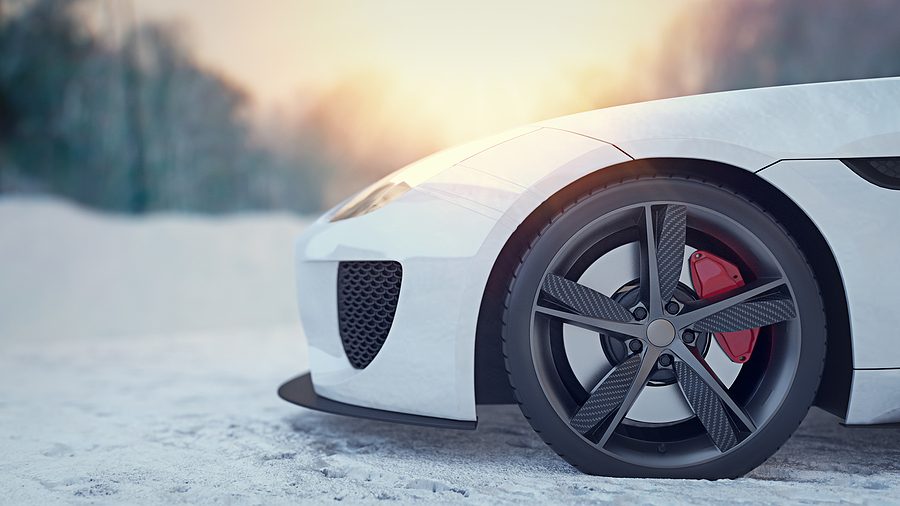
Essential Winter Car Maintenance for German Vehicles
Tire Care: The Foundation of Winter Safety
Your tires are the single most critical safety feature on your vehicle, serving as the only point of contact between your car and the road. In winter, the margin for error shrinks dramatically.
Monitor Tire Pressure Religiously
As the thermometer drops, so does the air pressure in your tires. For every 10-degree drop in Fahrenheit, your tires typically lose 1 PSI (pound per square inch) of pressure. While this might sound minor, a loss of just a few pounds can significantly affect handling and braking distance—two things you cannot afford to compromise on icy roads.
Check your tire pressure at least once a month when the tires are “cold” (meaning the car hasn’t been driven for at least three hours). Always inflate them to the manufacturer’s recommended PSI, which is found on the sticker inside your driver’s side door jamb, not the maximum pressure listed on the tire sidewall.
The Truth About Tread Depth
Tread depth determines how well your car can push snow and slush away from the tire to grip the road. While legal limits often state 2/32 of an inch is sufficient, this is inadequate for winter driving. For effective traction in snow, a depth of at least 4/32 of an inch—though 6/32 is preferable—is recommended. Opportunely, it is simple to check tire tread depth.
Winter Tires vs. All-Seasons
Many German vehicles come equipped with high-performance summer tires or all-season tires from the factory. While excellent for dry pavement, summer tires harden and lose grip below 45°F. If you live in an area with frequent snowfall, investing in dedicated winter tires is often the safest choice. Look for the “Three-Peak Mountain Snowflake” symbol on the sidewall, which indicates the tire has met specific snow traction performance requirements.
Battery Health: Powering Through the Freeze
German vehicles are famous for their electronics—from heated seats and steering wheels to complex infotainment systems and driver-assist sensors. All of these demand robust electrical power, placing a heavy load on your battery.
Unfortunately, cold weather is a battery’s worst enemy. At 32°F, a car battery can lose about 35% of its strength. When temperatures hit 0°F, that loss jumps to 60%. Combined with the fact that engines require more power to turn over when oil is thick and cold, a weak battery is a recipe for a stranded morning.
If your battery is more than three years old, have it tested by a professional. A simple load test can determine if it has enough cold-cranking amps (CCA) to survive the season.
Schedule Automotive Factory Maintenance Now ✏
Fluid Levels: The Lifeblood of Your Engine
Fluids are vital for regulating temperature and lubricating moving parts, but they behave differently in the cold.
Antifreeze (Coolant)
The name says it all. Antifreeze prevents the water in your engine’s cooling system from freezing and cracking the engine block. German cars often require specific coolant formulas (such as silicate-free or phosphate-free OAT/HOAT coolants) to prevent corrosion in their aluminum radiators and components. Do not simply top off with generic green coolant; ensure the mixture is the correct specification for your make and maintains the proper freeze protection (typically a 50/50 mix).
Engine Oil
Cold weather thickens oil, making it harder for the oil pump to circulate it during startup. Most modern German cars use synthetic oils that perform well in diverse temperatures, but it is always wise to check your owner’s manual. Ensure you are using the correct viscosity grade recommended for cold climates to reduce engine wear during those initial crucial seconds of ignition.
Windshield Washer Fluid
Standard blue washer fluid often freezes when temperatures dip well below freezing, potentially damaging your washer pump or reservoir. Switch to a winter-specific blend that contains a de-icing agent and is rated for temperatures as low as -20°F or -30°F.
Visibility: Seeing Clearly Through the Storm
Winter driving often means navigating through darkness, fog, and precipitation. Maximizing visibility is paramount.
Wiper Blades and Defrosters
If your wipers are leaving streaks or chattering across the glass, replace them immediately. Consider installing beam-style winter blades, which are designed to prevent ice and snow buildup on the frame. Additionally, ensure your rear window defroster and side mirror heaters (if equipped) are functioning correctly before the first frost hits.
Clearing Snow and Ice
It might be tempting to clear just a small “porthole” on your windshield when you’re in a rush, but this is dangerous. Clear all snow and ice from your hood, roof, trunk, and headlights. Snow left on the roof can slide down onto your windshield when braking, blinding you instantly, or fly off onto the car behind you.
- Pro-tip for German car owners: Many modern models have sensors for parking, lane-keeping, and collision avoidance embedded in the bumpers and grille. A layer of ice or slush can blind these sensors, causing safety systems to malfunction. Keep them wiped clean.
Brakes: Stopping on a Dime (Even on Ice)
Your Anti-lock Braking System (ABS) is designed to prevent wheels from locking up during a skid, allowing you to maintain steering control. However, for ABS to work, your foundation brakes—pads, rotors, and calipers—must be in good condition.
Winter roads are often treated with salt and brine, which accelerate rust and corrosion. This can cause brake pads to bind or calipers to seize. If you hear grinding noises or feel a pulsation in the pedal, have your brakes inspected immediately. Remember, in emergency braking situations with ABS, you should apply firm, continuous pressure to the pedal—do not pump the brakes.
Emergency Kit: What to Include
Even with meticulous maintenance, emergencies can happen. A well-stocked kit can be the difference between a minor inconvenience and a dangerous situation. Keep the following items in your trunk:
- Warmth: Heavy blankets, extra gloves, hats, and hand warmers.
- Tools: A sturdy ice scraper, snow brush, and a small folding shovel.
- Traction: A bag of kitty litter, sand, or traction mats to help you get unstuck.
- Power: Jumper cables or a portable lithium-ion jump starter.
- Safety: Flashlight with extra batteries, road flares, or reflective triangles.
- Sustenance: Non-perishable snacks (like energy bars) and bottled water.
- First Aid: A basic kit including bandages and antiseptic.
In Summary
Winterizing your vehicle is about respect—respect for the machine you drive and respect for the unpredictable nature of the season. A well-maintained German vehicle is a joy to drive year-round, offering safety and stability that few other cars can match. By addressing these maintenance items now, you can face the winter months with confidence.
If you are unsure about the condition of your battery, the tread on your tires, or the specific fluid requirements for your vehicle, don’t leave it to chance.
For drivers in Carmel, Indiana, seeking specialized care for their European vehicles, professional help is just around the corner. Whether you need a comprehensive winter inspection, a set of winter tires mounted, or a precise fluid service, ensure your car is in the hands of experts who understand German engineering. Schedule your winter maintenance appointment today to keep your car running safely all season long.
Related Post: How to Winterize Your Car