
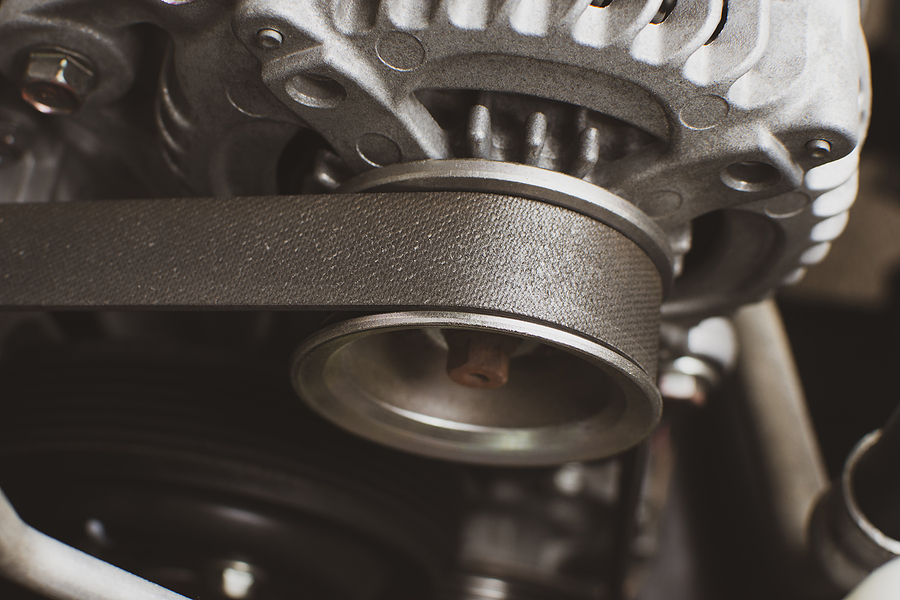
Your engine hums along smoothly—until it doesn’t. Most drivers give little thought to the timing belt until something goes wrong. But by then, the damage can be severe and costly. The timing belt is a reinforced rubber belt that connects the crankshaft to the camshaft, keeping your engine’s valves and pistons moving in precise synchronization. Without it, your engine simply cannot function. And when it starts to fail, the warning signs are there—if you know what to look for.
This guide covers the most common signs of a damaged timing belt, what replacement typically costs, and when you should schedule service before a small problem becomes a very expensive one.
What Are the Symptoms of a Failing Timing Belt?
A failing timing belt rarely gives out without warning. Watch for these signs:
Ticking or knocking noises from the engine: According to O’Reilly Auto Parts, a damaged or worn timing belt can produce unusual noises due to excessive slack or lack of tension in the belt. A rhythmic ticking sound coming from the engine bay is often one of the first things drivers notice.
Engine misfires or rough idling: A worn or misaligned belt can cause it to skip teeth on the sprocket, disrupting the precise timing your engine depends on. The result? Rough running, misfires, or stalling.
The engine won’t start: If the timing belt has broken entirely, the engine won’t start at all. With the belt gone, the valves and pistons lose synchronization, and air and fuel can no longer reach the cylinders properly.
Check Engine light or other warning lights: A worn or broken timing belt can trigger a Check Engine light. If this light appears alongside other symptoms on this list, a timing belt inspection should be a priority.
Visible wear, cracks, or fraying: If you can see the belt—or have a mechanic inspect it—look for physical signs of deterioration: cracking, looseness, or fraying are all red flags that replacement is overdue.
Oil or coolant leaks near the belt area: Leaks around the timing belt cover may indicate problems with the water pump or other components the belt interacts with, which can accelerate belt wear.
Engine overheating: On many vehicles, the timing belt drives the water pump. If the belt loses tension, coolant circulation can suffer—leading to overheating.
Loss of power or poor acceleration: Timing that’s even slightly off can cause a noticeable drop in performance. If your car feels sluggish without an obvious explanation, the timing belt is worth investigating.
How Much Does a Timing Belt Replacement Cost?
According to RepairPal (estimates last updated January 2026), the average cost for a timing belt replacement falls between $882 and $1,285. Of that total:
- Parts: $297–$428
- Labor: $584–$858
Keep in mind that these figures don’t include taxes, fees, or any related repairs that may be identified during the job. Vehicle make and model significantly affect the final price. A Honda Civic, for example, typically runs $450–$685 for a replacement, while an Audi A4 can cost between $950 and $1,300. A Ford F-150 can reach as high as $2,282–$3,280.
It’s also common—and recommended—to replace the tensioner, idler pulleys, and water pump at the same time. Since the engine is already partially disassembled, doing these together saves substantial labor costs down the road.
The price of not replacing a worn belt? Far higher. On interference engines (more on that below), a snapped timing belt can cause pistons to collide with open valves, resulting in engine damage that may require a full engine rebuild or replacement.
When Should You Replace Your Timing Belt?
Most timing belts need to be replaced every 60,000 to 100,000 miles, though this varies by vehicle. O’Reilly Auto Parts notes that the exact interval depends on the make and model, and the most reliable source for your specific vehicle is always the owner’s manual.
Here’s the critical point: timing belts don’t always give obvious warning before they snap. Replacing the belt proactively—before failure—is significantly safer and more cost-effective than waiting for the belt to break. A planned replacement on schedule costs a fraction of what emergency engine repairs can run.
If you’ve purchased a used vehicle and don’t know the service history, it’s worth having the timing belt inspected as soon as possible.
Frequently Asked Questions
What is an interference engine, and why does it matter?
An interference engine is a type of engine where the pistons and valves share the same space in the cylinder at different times. In these engines, proper timing is what prevents the pistons from striking the valves. If a timing belt breaks on an interference engine, the result can be catastrophic—bent valves, damaged pistons, and in some cases, complete engine failure. Non-interference engines are more forgiving of belt failure, but a broken belt will still leave you stranded.
How long does a timing belt last in years?
Mileage is the primary guide, but age matters too. Rubber degrades over time, even if a vehicle isn’t driven frequently. If your car is more than 7–10 years old and the timing belt has never been replaced, it’s worth having it inspected regardless of mileage.
Can I replace a timing belt myself?
Timing belt replacement requires significant disassembly of the engine’s front end and precise tensioning of the new belt. RepairPal notes that because of this complexity, the repair is best left to a professional mechanic. Improper installation can cause immediate engine damage.
Does every car have a timing belt?
No. Some vehicles use a timing chain instead of a belt. Timing chains are metal and generally last the life of the engine, though they can still stretch or wear over time. Check your owner’s manual or ask your mechanic to confirm which system your vehicle uses.
What happens if I ignore a worn timing belt?
At minimum, a snapped belt will leave your car immobile. On an interference engine, the consequences can include significant internal engine damage—turning a $1,000 repair into a $3,000–$5,000+ engine rebuild. Early replacement is always the better option.
Don’t Wait for a Breakdown
A timing belt is a small component with an outsized role in your engine’s health. Catching wear early—through routine inspections and timely replacement—keeps repair costs manageable and your vehicle reliable.
If you drive a German vehicle and you’re in the Carmel, Indiana area, our team specializes in German automotive repair. From BMW to Volkswagen to Audi, we understand the precision these engines demand. Schedule a timing belt inspection today and drive with confidence.
Related Post: Engine Stalling and Misfires: Causes, Solutions, and Prevention