
Owning a German vehicle is often about the experience—the precise handling of a BMW, the quiet luxury of a Mercedes-Benz, or the innovative engineering of an Audi. These machines are built for performance, designed to dominate the Autobahn and provide a superior driving experience. However, that high level of engineering comes with a trade-off: sensitivity. German cars are finely tuned instruments, and when one component falls out of harmony, the effects are often noticeable immediately.
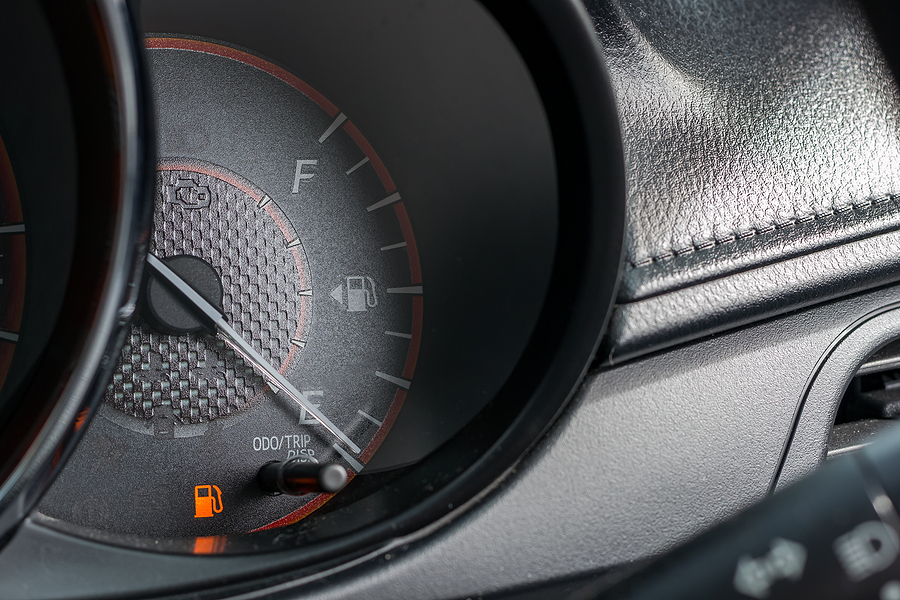
One of the most frustrating indicators that something is wrong is a sudden drop in fuel economy. You might notice you are visiting the gas station more frequently, or perhaps your onboard computer is displaying a lower MPG average than usual. It is a sinking feeling, knowing that your premium vehicle isn’t performing at its peak—and it’s hurting your wallet in the process.
A decline in gas mileage is rarely a random occurrence. It is almost always a symptom of an underlying issue, ranging from minor maintenance oversights to failing sensors. Understanding the root cause is the first step toward restoring your vehicle’s efficiency and protecting the long-term health of your engine.
The Usual Suspects: Common Causes of Reduced Efficiency
When a German car starts guzzling gas, the issue usually lies within the systems that manage air, fuel, and spark. Because these vehicles rely on sophisticated computers to optimize performance, a single faulty part can confuse the system, causing it to burn more fuel than necessary to compensate.
The Oxygen Sensor
This small but critical component is often the primary culprit behind significant drops in fuel economy. The oxygen sensor (O2 sensor) monitors the amount of unburned oxygen in the exhaust. It sends this data to the car’s computer, which adjusts the air-fuel mixture entering the engine.
If the sensor is faulty, it may send incorrect data, leading the computer to believe the engine needs more fuel than it actually does. According to the U.S. Department of Energy, fixing a faulty oxygen sensor can improve your mileage by as much as 40%. For a high-performance German engine, ignoring this sensor doesn’t just waste gas; it can eventually damage your catalytic converter, leading to a much more expensive repair bill.
Dirty Air Filters
Your engine needs to breathe. For every gallon of gas your car burns, it requires thousands of gallons of air. A clogged or dirty air filter restricts this airflow, forcing the engine to work harder to pull in the air it needs.
In older vehicles, this directly caused the air-fuel mixture to become too “rich” (too much gas, not enough air). In modern German cars with fuel-injected engines, the onboard computer will attempt to compensate for the restricted airflow, which often results in reduced power and efficiency. Replacing a dirty air filter is one of the simplest and most cost-effective ways to restore lost MPG.
Worn Spark Plugs
Spark plugs are responsible for igniting the air-fuel mixture inside the combustion chamber. When they are worn out or covered in carbon deposits, they may misfire or produce a weak spark. This results in incomplete combustion, meaning your engine isn’t burning all the fuel it’s being fed. The wasted fuel exits through the exhaust, and your engine has to work harder to maintain speed.
Fuel Injector Issues
Fuel injectors are designed to spray a precise mist of fuel into the engine’s cylinders. Over time, these injectors can become clogged with deposits from the fuel itself. A clogged injector may not spray the fuel efficiently, or it might leak, causing an excess of fuel to enter the engine. This imbalance not only ruins your gas mileage but can also lead to rough idling and sluggish acceleration.
Get a Free Quote for German Automotive Service in Indy Now ✅
The Impact of Tires and Drag
While engine components are critical, external factors also play a massive role in how much fuel your vehicle consumes. German cars are designed for aerodynamics, but maintenance neglect can ruin that advantage.
Tire Pressure
It is easy to overlook, but your tires are the only point of contact between your car and the road. If they are under-inflated, they create more rolling resistance. Think of it like trying to ride a bicycle with flat tires—you have to pedal much harder to get anywhere.
The same principle applies to your car. The engine must burn more fuel to overcome that resistance. Keeping your tires inflated to the manufacturer’s recommended level (found on the sticker inside your driver’s side door jamb) is crucial. Data suggests that proper tire inflation can improve your gas mileage by up to 3%.
Aerodynamic Drag
German engineers spend countless hours in wind tunnels perfecting the silhouette of your vehicle to slice through the air. Adding a roof rack or a cargo carrier disrupts this airflow significantly.
According to government fuel economy data, a loaded roof rack can decrease fuel efficiency by up to 25% at highway speeds. Even when empty, the rack creates drag that forces your engine to consume more fuel. If you aren’t using the rack, removing it is a quick way to see an immediate improvement in efficiency.
How Your Driving Habits Affect the Tank
Sometimes, the mechanical components of the car are working perfectly, and the issue lies in the driver’s seat. We have all been there—rushing to a meeting or feeling impatient in traffic. However, aggressive driving is one of the fastest ways to drain your tank.
Aggressive Acceleration and Braking
Rapid acceleration and hard braking are detrimental to fuel economy. This “stop-and-go” style prevents the engine from operating in its most efficient range. Studies show that aggressive driving can lower gas mileage by 15% to 30% on the highway and 10% to 40% in stop-and-go city traffic. Driving smoothly, anticipating traffic flow, and coasting to a stop can save you a significant amount of money.
The Cost of Speed
While it might be tempting to push your BMW or Audi on the open road, speed kills fuel economy. Fuel efficiency typically decreases rapidly at speeds above 50 mph. In fact, for every 5 mph you drive over 50 mph, it is estimated that you are paying an additional $0.22 per gallon for gas. Using cruise control on the highway is an excellent way to maintain a consistent, efficient speed.
Excessive Idling
Leaving your car running while parked is a common habit, especially in extreme weather, but it gets you zero miles per gallon. Idling can use anywhere from a quarter to a half-gallon of fuel per hour. If you are going to be stopped for more than 10 seconds (and aren’t in traffic), turning off the engine is the smarter choice for your wallet.
Restoring Performance Through Maintenance
If you are noticing a drop in mileage, the best course of action is to return to the basics of car care. Regular maintenance is not just about preventing breakdowns; it is about maintaining the efficiency that you paid for when you bought a German vehicle.
Start with the fluids. Using the manufacturer’s recommended grade of motor oil can improve gas mileage by 1-2%. Thicker oil than recommended can increase friction in the engine, forcing it to work harder.
Next, stick to the factory maintenance schedule. German manufacturers like Volkswagen and Porsche have rigorous service intervals for a reason. These services often include checking the fuel system, replacing air filters, and inspecting sensors that you might not think to check yourself.
In Summary
A decline in gas mileage is your car’s way of asking for help. Whether it is a simple fix like inflating your tires or a more complex repair like replacing an oxygen sensor, addressing the issue early saves you money and preserves the life of your vehicle. You chose a German car for its superior engineering—don’t let poor efficiency compromise that experience.
If you are in the Carmel area and suspect your vehicle isn’t performing as efficiently as it should, let the experts take a look. At Autohaus Dierolf, we have specialized in European automotive service since 1968. We can run the necessary diagnostics to pinpoint exactly why your mileage has dropped and get you back on the road with the performance you expect.
Related Post: Should You Use Premium Gasoline? The Real Benefits Explained