
A functional air conditioning system in your BMW ensures a comfortable, enjoyable driving experience, especially during hot summer days. When the cool breeze suddenly turns into a warm, stuffy draft, it can quickly ruin your commute. Understanding the root causes of these air conditioning issues can save you time, money, and frustration.
This guide covers the most frequent BMW AC problems, how to diagnose them, and what steps you can take to keep your climate control system running smoothly.
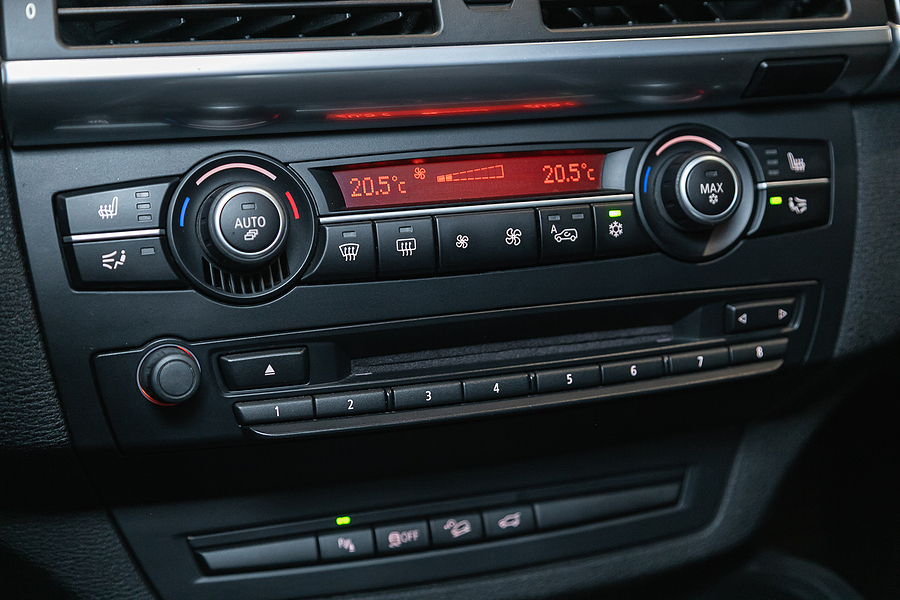
Understanding Your BMW’s AC System
Your BMW’s air conditioning system works by continuously compressing and expanding refrigerant to absorb heat from the cabin and release it outside, keeping the interior cool and comfortable.
How a Car AC System Works
The cooling process relies on a continuous cycle of pressurized refrigerant. The system pulls heat and humidity from the air inside your vehicle. As the refrigerant absorbs this heat, it travels to the front of the car, where it cools down before returning to the cabin to repeat the cycle.
Common Components in a BMW AC System
Several specialized parts work together to cool your BMW. The compressor acts as the heart of the system, pumping refrigerant through the lines. The condenser, located near the radiator, cools the hot refrigerant gas back into a liquid. The expansion valve regulates the flow of this liquid into the evaporator, which chills the air before the blower motor pushes it through your vents.
BMWs also frequently utilize a Final Stage Resistor (FSR), a vital electrical component that controls the interior fan speeds.
Top 5 Common BMW AC Problems and Their Solutions
The five most common BMW AC problems include weak airflow due to a failing blower motor resistor, blowing warm air from refrigerant leaks, strange noises indicating compressor wear, foul odors from a dirty evaporator, and system leaks caused by worn seals.
Weak Airflow from Vents
If you barely feel any air coming from the vents, even on the highest setting, the culprit is often a failing Final Stage Resistor (FSR). In many BMW models, a faulty FSR causes erratic fan speeds or stops the blower motor from working entirely. Replacing this resistor usually restores proper airflow. A severely clogged cabin air filter can also restrict air movement, making regular replacements essential.
AC Blowing Warm Air
Warm air blowing from your vents usually points to a low refrigerant level caused by a leak. If the system lacks enough refrigerant, the compressor will not engage, preventing the cooling cycle from starting.
Another potential cause is a stuck heater valve, which allows hot engine coolant to mix with the chilled air. Fixing this requires locating the leak, repairing the faulty component, and recharging the system with the correct refrigerant.
Strange Noises When AC is On
Unusual sounds coming from your climate control system should never be ignored. A rattling or squealing noise often indicates a failing AC compressor or a worn compressor clutch. Hissing sounds behind the dashboard might mean the expansion valve is malfunctioning or refrigerant is escaping. Having a professional automotive technician inspect these noises early can prevent total compressor failure.
Unpleasant Odors from AC Vents
A musty, vinegar-like smell blasting into your cabin means mold and bacteria have formed on your evaporator. Moisture naturally builds up on this component during operation, creating a dark, damp environment where bacteria thrive. Applying a specialized cleaning foam to the evaporator and replacing the cabin air filter will eliminate the bad smell and improve the air quality inside your car.
AC System Leaks
Because a car’s AC system operates under high pressure, rubber hoses and seals naturally degrade over time. These small cracks allow refrigerant to escape into the atmosphere. Common leak points include the condenser, O-rings, and Schrader valves. A professional can use UV dye and a specialized pressure gauge to pinpoint the exact location of the leak before replacing the damaged parts.
Diagnosing BMW AC Problems
Diagnosing your BMW’s AC involves a mix of simple visual checks you can do at home and specialized pressure tests that require professional equipment to pinpoint complex electrical or mechanical failures.
DIY Checks You Can Perform
Start by inspecting the cabin air filter. A dirty filter blocks airflow and strains the blower motor. Next, look under the hood at the AC lines for any obvious oily residue, which often indicates a refrigerant leak. You can also listen for the clicking sound of the compressor clutch engaging when you press the snowflake button on your dash. If it doesn’t click, the system is likely low on pressure or facing an auto electrical malfunction.
When to Seek Professional Help
Working with high-pressure refrigerant requires specific safety protocols and environmental compliance. If your basic visual checks do not reveal the issue, it is time to visit a local BMW mechanic. Professionals have the necessary manifold gauges, leak detection dyes, and diagnostic software to accurately read BMW’s complex climate control modules and fix electrical faults safely.
Maintaining Your BMW’s AC for Longevity
Regular maintenance, including annual system inspections, routine cabin air filter changes, and proper refrigerant recharging, will extend the lifespan of your BMW’s air conditioning components.
Regular AC System Inspections
Have your climate control system inspected at least once a year, ideally before summer begins. A technician can clean the condenser fins, check for minor leaks, and ensure the compressor operates smoothly. Running your AC for ten minutes a month during winter also helps lubricate the internal seals, preventing them from drying out and cracking.
Cabin Air Filter Replacement
Your cabin air filter blocks dust, pollen, and pollutants from entering the interior. When it becomes clogged, the blower motor has to work much harder to push air through the vents, which can lead to premature failure of the Final Stage Resistor. Replace this filter every 15,000 to 20,000 miles to maintain strong airflow and clean cabin air.
Refrigerant Recharging
Vehicles naturally lose a small percentage of refrigerant over time through microscopic pores in the rubber hoses. If your AC takes longer to cool the cabin than it used to, it might need a recharge. Always use the specific refrigerant approved for your BMW model, as mixing different types can severely damage the compressor and expansion valve.
Why Choose Professional BMW AC Service in Carmel, Indiana?
Choosing a professional BMW AC service in Carmel, Indiana guarantees that your vehicle receives expert care using specialized diagnostic tools and high-quality parts tailored to German engineering.
Expertise in BMW Vehicles
BMWs feature highly intricate electrical systems and proprietary climate control setups. A general mechanic might struggle to diagnose a faulty Final Stage Resistor or a stuck mixing valve. Local BMW specialists understand the unique quirks of these cars and can resolve issues much faster than a standard repair shop.
Specialized Tools and Equipment
Properly servicing a luxury European car requires advanced equipment. Professional technicians use specific software to communicate with the car’s computers, alongside precision manifold gauges and refrigerant recovery machines. These tools ensure the repair is done safely and according to the manufacturer’s exact specifications.
Quality Parts and Warranty
When you rely on professional service, you receive genuine or high-quality OEM replacement parts. This ensures the new compressor or condenser fits perfectly and lasts for years. Furthermore, reputable repair centers back their work with a solid warranty, giving you peace of mind on the road.
Frequently Asked Questions (FAQ)
Here are answers to some of the most common questions BMW owners have regarding their air conditioning systems and regular maintenance needs.
How often should I recharge my BMW’s AC refrigerant?
You should only recharge your AC system when it is blowing warm air or if a leak has been repaired. Unlike an oil change, there is no set mileage interval for refrigerant. A properly sealed system can last for years without needing a top-up.
Can a bad cabin air filter affect AC performance?
Yes, a clogged cabin air filter severely restricts the airflow entering the cabin. This makes the AC feel weak, forces the blower motor to overwork, and can cause unpleasant smells to circulate throughout the vehicle.
Is it normal for my BMW AC to make some noise?
A faint clicking sound when the compressor engages is normal, as is the soft hum of the blower motor. Loud squealing, rattling, or hissing noises indicate a mechanical failure or a leak and require immediate professional attention.
Keep Your Cool with a Well-Maintained BMW AC
Maintaining a comfortable cabin temperature is essential for a pleasant driving experience. By staying alert to the early warning signs of AC failure, you can address minor issues before they turn into costly repairs. Taking proactive steps, such as changing your cabin air filter and running the system periodically during winter, will protect the internal components. A well-maintained climate control system ensures that you and your passengers stay relaxed and comfortable, no matter how hot the weather gets outside.
Don’t let a faulty AC system make your daily commute unbearable. If your BMW is blowing warm air or making strange noises, our expert technicians are here to help. Contact us today to schedule your professional BMW AC repair and service in Carmel, Indiana. We will quickly diagnose the issue, restore your cooling system, and get you back on the road in total comfort.
Related Post: The Nuances of BMW Repair and Auto Service