
TL;DR:
- What is it? An OBD-II scanner is a device that plugs into your car to read diagnostic trouble codes (DTCs) from the onboard computer.
- Why use it? It helps you identify why your “Check Engine” light is on, ranging from minor issues to major repairs.
- Who is it for? Any car owner with a vehicle manufactured in 1996 or later.
Key Takeaways:
- Universal Language: Since 1996, cars in the US use a standardized system, meaning one scanner works on almost any modern vehicle.
- Code ≠ Solution: A code tells you where the problem is (e.g., oxygen sensor circuit), but not necessarily what part to replace.
- Empowerment: Owning a scanner prevents you from being upsold on unnecessary repairs by providing you with accurate data beforehand.
Table of Contents:
- What is an OBD-II Scanner and How Does It Work?
- What Common Issues Can an OBD-II Scanner Detect?
- How Do I Use an OBD-II Scanner?
- Are There Different Types of OBD-II Scanners?
- Frequently Asked Questions
- Quick Recap
- Summary
- German Auto Repair in Indy
There are few things more stressful for a driver than seeing the amber “Check Engine” light illuminate on the dashboard. It’s a vague warning that offers zero context. Is your gas cap loose, or is your transmission failing? Without a way to communicate with your vehicle, you are left guessing—or paying a mechanic just to find out what’s wrong.
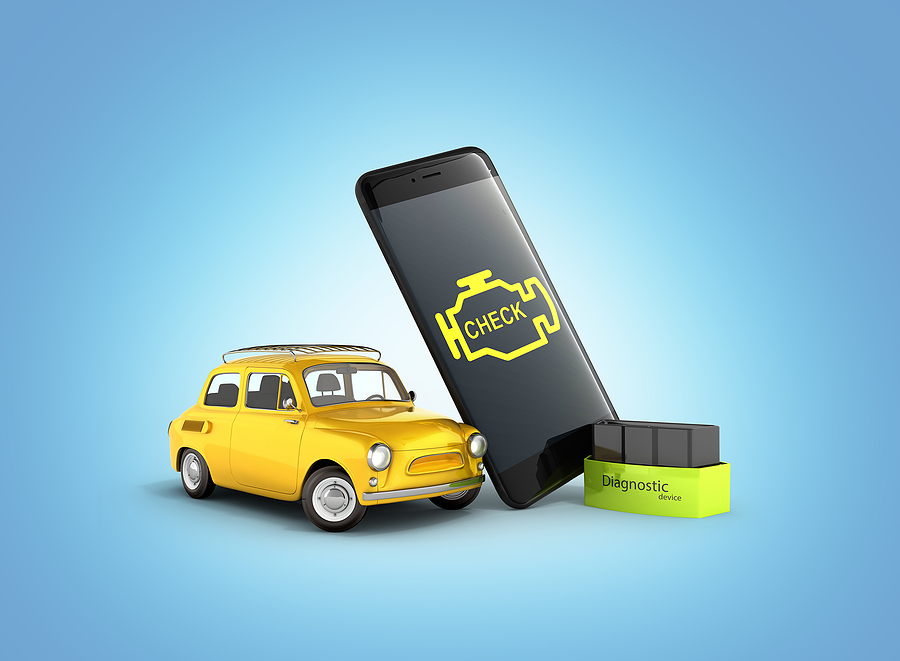
This is where the On-Board Diagnostics (OBD-II) scanner comes in. Once a tool reserved exclusively for professional shops, these devices are now affordable and accessible for the average car owner. Thinking of an OBD-II scanner as a translator is helpful; it bridges the gap between your car’s complex internal computer and you.
Understanding how to use this tool can save you time, money, and a significant amount of anxiety. By reading this guide, you will learn how to interpret your car’s signals and make informed decisions about its maintenance.
What is an OBD-II Scanner and How Does It Work?
To understand the scanner, we first need to understand the system it reads. OBD-II stands for On-Board Diagnostics II. It is a standardized computer system mandated by the US government for all cars and light trucks sold from 1996 onward. Its original purpose was to monitor emissions performance, but it has evolved to monitor the health of the engine, transmission, and other vital systems.
Your car is equipped with sensors that constantly measure performance—temperature, speed, oxygen levels, and airflow. All this data feeds into the Engine Control Unit (ECU), which acts as the car’s brain.
When the ECU detects a reading that falls outside the normal range, it triggers a Diagnostic Trouble Code (DTC) and turns on the Check Engine Light. An OBD-II scanner connects to a standardized port in your vehicle, usually located under the driver’s side dashboard. It “talks” to the ECU, retrieving the specific code that triggered the warning light so you know exactly which system is acting up.
What Common Issues Can an OBD-II Scanner Detect?
While an OBD-II scanner is a powerful tool, it is important to know what it can and cannot see. It specifically monitors systems related to the engine, transmission, and emissions.
Here are some of the most common issues a scanner will reveal:
- Misfires: If your engine feels shaky or sounds rough, the scanner can tell you exactly which cylinder is misfiring.
- Evaporative System Leaks: This is often as simple as a loose or faulty gas cap, but it can also indicate leaks in the fuel vapor hoses.
- Oxygen Sensor Failures: These sensors monitor how much fuel you are burning. If they fail, your gas mileage will suffer.
- Catalytic Converter Efficiency: This is a critical emissions component. A scanner can alert you if it is becoming clogged or failing.
- Fuel System Issues: It can detect if your engine is running too “lean” (not enough fuel) or too “rich” (too much fuel).
What it usually won’t detect:
Standard OBD-II scanners generally do not diagnose non-electronic mechanical problems. For example, a scanner cannot tell you if your brake pads are worn down, if you have a flat tire (unless you have specific TPMS sensors), or if your suspension bushings are squeaking.
How Do I Use an OBD-II Scanner?
Using a scanner is surprisingly straightforward. You do not need to be a mechanic or have technical expertise to get a reading. Follow these simple steps:
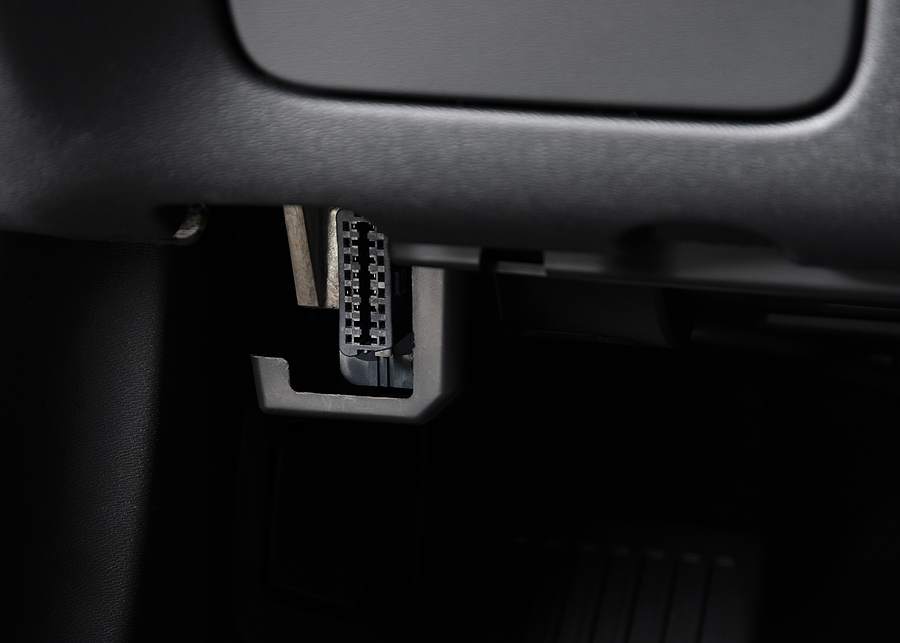
- Locate the Port: Look for the 16-pin Data Link Connector (DLC) under your dashboard on the driver’s side. It usually looks like a trapezoid-shaped open plug (see image above).
- Plug In: With the vehicle turned off, plug your scanner into the port. It should fit snugly.
- Power On: Turn your ignition key to the “On” or “Accessory” position. This powers the electrical systems without starting the engine. (Some scanners may require the engine to be running for live data, but for reading codes, “On” is usually sufficient).
- Scan: Follow the prompts on your scanner’s screen to “Read Codes.”
- Interpret: The scanner will display a code, such as P0300 or P0420.
- P stands for Powertrain (engine and transmission).
- 0 usually indicates a generic code (applies to all cars).
- 1 usually indicates a manufacturer-specific code (unique to Honda, Ford, BMW, etc.).
- The last digits identify the specific fault.
Once you have the code, you can use a search engine to find out exactly what it means for your specific make and model.
Are There Different Types of OBD-II Scanners?
Not all scanners are created equal. They range from simple pocket-sized tools to complex tablets used by master technicians.
1. Basic Code Readers
These are the most affordable options. They simply display the error code and allow you to clear it (turn off the light). They rarely provide detailed descriptions, so you will need to research the codes they display. Just enter them into a search engine to learn more.
2. DIY Scanners and Bluetooth Dongles
These are popular with modern car owners. Some are handheld devices with color screens, while others are small “dongles” that plug into the port and connect wirelessly to an app on your smartphone. These often provide definitions of the codes, potential fixes, and even “live data” (real-time speed, RPM, and temperature readings).
3. Professional Bi-Directional Scanners
These are advanced tools used by shops. Unlike basic readers that only listen to the car, these scanners can talk to the car. They can command the car to turn on the cooling fan, roll down windows, or cycle the ABS pump. These are generally overkill for the average daily driver.
Frequently Asked Questions
Can I drive my car if the Check Engine Light is on?
If the light is steady yellow or orange, it generally indicates a problem that needs attention soon, but you can usually drive home or to a mechanic. If the light is flashing, pull over immediately. A flashing light indicates a severe misfire that can rapidly damage your catalytic converter and engine.
Will a scanner tell me exactly which part to buy?
No. A scanner tells you which circuit or system is reporting an error. For example, an Oxygen Sensor code doesn’t always mean the sensor is bad; it could be a frayed wire leading to the sensor. The code is the starting point for diagnosis, not the final answer.
Does my electric vehicle (EV) have an OBD-II port?
While EVs are not required to follow the same emissions standards as gas cars, many still have an OBD-II port. However, standard scanners may not read EV-specific battery health data. You may need a scanner specifically designed for EVs or a specialized app.
Quick Recap:
- OBD-II is the standard diagnostic system for cars made after 1996.
- Scanners plug into the DLC port under the driver’s dashboard.
- They detect engine and emissions issues but not mechanical wear like brakes.
- P0xxx codes are generic; P1xxx codes are manufacturer-specific.
- Never ignore a flashing Check Engine Light.
In Summary
Understanding your vehicle doesn’t require a degree in engineering. With a simple OBD-II scanner, you can peel back the mystery of the “Check Engine” light and approach car maintenance with confidence. Whether you fix it yourself or simply walk into the repair shop knowing exactly what the problem is, you are in the driver’s seat.
For expert automotive repair and maintenance on German vehicles in Carmel, Indiana, contact us today! Our skilled technicians specialize in brands like BMW, Audi, and Mercedes-Benz, ensuring your car gets the care it deserves. Schedule your appointment now.
Related Post: Comprehensive Guide to Troubleshooting Common Issues with German Cars