Comprehensive Guide to Troubleshooting Common Issues with German Cars

Are you the proud owner of a German automobile like BMW or Volkswagen? If so, then you know that they come with many advantages – from their smooth ride to their reliable performance. But like any other vehicle, there are times when something goes wrong, and your German car needs repair. That’s why it’s important to be familiar with common issues and how to troubleshoot them.

In this blog post, we’ll provide an overview of some of the most common problems experienced by German car owners and explain how best to address them. From BMWs to Mercedes-Benz models, our comprehensive guide will help ensure that your beloved German automobile stays in top condition for years to come!
Call 317-571-0800 For German Auto Repair in Carmel Indiana.

Typical Problems With German Model Vehicles

Routine Oil Changes

One issue that often arises with German cars is the need for regular oil changes. The internal combustion engine of a German car requires periodic lubrication to run smoothly and efficiently, so make sure to keep up with your oil changes as recommended in your owner’s manual. If you’re not sure how often this should be done, consult an experienced auto repair technician.

Malfunctioning Electronics

Another common problem associated with German cars is faulty electronics. This can range from dashboard lights that won’t turn on to erratic engine performance caused by an electrical issue. It’s important to have your car checked immediately if you suspect a malfunction in the wiring or computer system, as this can be indicative of a larger problem.

Brake System Problems

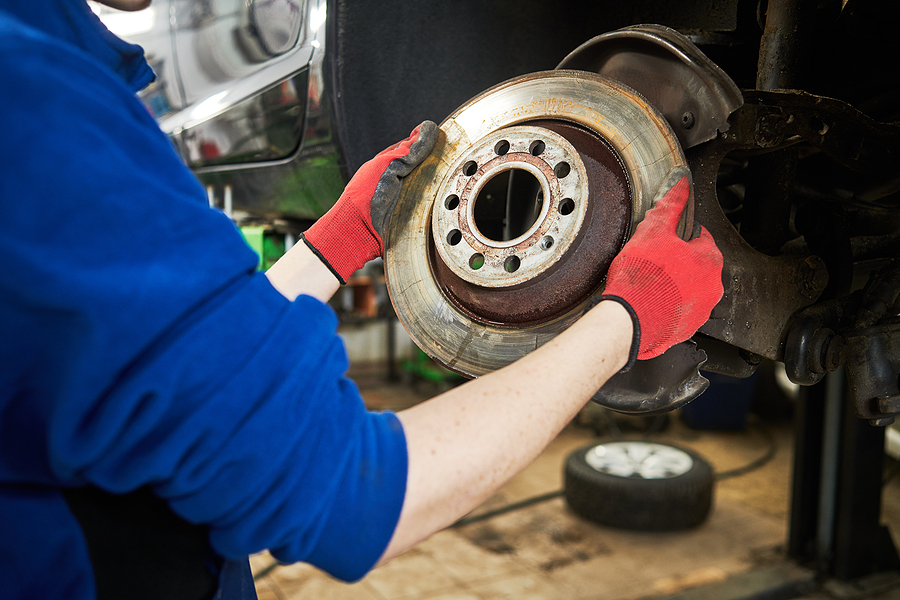
German vehicles are also known to experience issues with the brake system. It’s important to have your brakes inspected regularly, as faulty brakes can lead to dangerous situations on the road. Make sure that all of the components – such as brake pads, rotors, and calipers – are in good condition, and replace them if necessary. Additionally, check your brake fluid levels on a regular basis and have it replaced as needed.

Hotter Engines

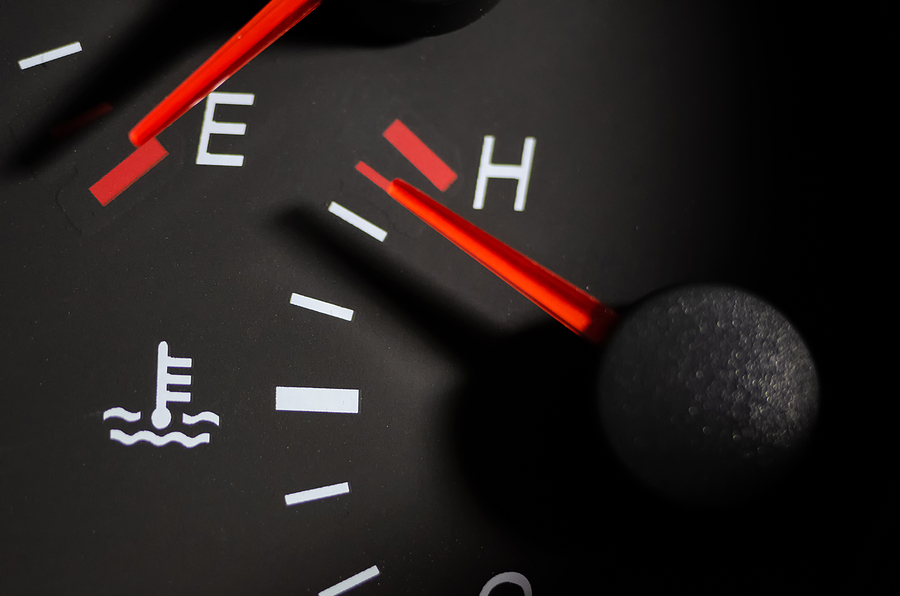
Finally, German cars are prone to overheating due to the higher compression of their engines. Make sure you keep an eye on your car’s temperature gauge and take action immediately if it starts to rise rapidly. This could be indicative of a number of issues, including a leaking or clogged cooling system, so be sure to have it checked out by an experienced technician.

European Automotive Service for Your German Car

Comprehensive care and maintenance are essential when it comes to keeping your German car running in top condition. We hope this guide has given you the information necessary to troubleshoot common issues with German cars and keep them on the road for years to come. If you’re after expert advice and skilled care for your European car, turn to an experienced German-factory trained mechanic in Indianapolis.

Contact Autohaus Dierolf at 317-571-0800 for superior factory scheduled maintenance in Carmel, Indiana. We work on all European vehicles, but specialize in BMW, Mercedes, Volkswagen, Porsche, and Audi repairs and services.

Related Posts:

6 Mercedes Benz Auto Parts That Commonly Breakdown
BMW Maintenance: What You Need to Know
How to Make Your Audi Last More Than 300,000 Miles
How to Winterize Your Car

Winter is nearly here, bringing with it the challenge of ensuring your vehicle is ready for the cold weather. For starters, tire pressure and tread are critically affected by temperature variations, making it important to ensure all tires are properly inflated and tread depth is sufficient. Additionally, an oil change is also paramount as wintertime can often bring excess strain on motor oil’s ability to protect parts of the engine. But there is a lot more to prepping your ride for the winter climate.

Continue reading to learn how to winterize your car in preparation for the cold ahead.

For Trusted Winter Auto Service in Carmel Indiana, Call 317-571-0800 Today!

What You Need to Know About Winterizing Your Vehicle

Here are some tips on how to winterize your car and make sure it’s ready for the snow and ice:

1. Start With a Car Care Check-Up: A good car care check-up can ensure your car is in top condition for the winter. Have your car serviced regularly, including oil changes and tire rotations, to make sure everything is running smoothly and efficiently.

2. Change Your Tires: Make sure your tires are suitable for winter conditions. If you live in an area with snow and ice, invest in a set of quality winter tires or snow chains to ensure your car has the best grip possible.

3. Check Your Battery: Cold weather can take its toll on car batteries, so make sure yours is up to the task. Have it tested by a professional auto service technician and replace it if necessary.

4. Top Up Fluids: Keep your car running smoothly by topping up oil, coolant, washer fluid, antifreeze, etc. Check your owner’s manual for the correct type of fluids to use in each situation.

5. Have an Emergency Kit Ready: It’s always a good idea to carry an emergency kit with you in case of breakdowns or other problems. Keep things like jumper cables, flashlights, blankets, and snacks in the car at all times.

6. Get Scheduled Auto Service. To truly ensure maximum efficiency during the chilliest of months, a comprehensive vehicle checkup should be scheduled at your preferred repair shop. Taking heed of these basic preventative maintenance steps can go a long way in keeping your car poised for success when winter finally arrives.

These tips can help ensure your car is ready for winter weather conditions. Regular maintenance and car care will go a long way towards keeping you safe and sound during the cold winter months. Don’t forget, it’s always a good idea to read your owner’s manual for specific winter car care tips that may be relevant to your vehicle.

Carmel Indiana Auto Repair and Maintenance

Autohaus Dierolf offers exceptional European and German auto repair and maintenance services in Carmel, Indiana. Our German-factory trained mechanics specialize in servicing all makes and models of European and German vehicles, providing peace of mind knowing that your car is being cared for by knowledgeable professionals. Contact us at 317-571-0800 today and experience the Dierolf Difference! Let us make you a customer for life.

Related Posts:

The Quickest Way to Check Your Tire Pressure
5 Car Maintenance Services That Protect Your Life
8 Automotive Problems Caused By Cold Weather

5 Car Maintenance Services That Protect Your Life

When it comes to driving, whether yourself or your loved ones, safety is always front of mind. There is no better way to ensure optimal safety and performance of your vehicles than responsible auto service and maintenance. Not only should you have your vehicles inspected by a licensed mechanic, according to the automotive manufacturer factory scheduled maintenance recommendations, but you should also know how to visibly inspect and care for your car on your own.

Although all manufacturer recommended auto services and car care best practices should be followed, continue reading to learn the top five auto services that are the most critical to your overall safety.

Car Brake Auto Service Carmel Indiana 317-571-0800

5 Safety Focused Auto Services

To protect yourself from danger, out on the road, these five safety focused auto services should be at the top of your routine car maintenance priority list: brake replacement, shocks and struts replacement, exterior light inspections, windshield wiper fluid refills, and car fluid refills.

Car Brake Replacement

Car brakes are not designed to last forever. At some point in time, your vehicle’s car braking system will need either a full replacement or parts replacement. When car brakes wear down, they lose performance value. Since brakes are arguably the most important safety feature of the vehicle, a decline in corporate performance is a serious issue that requires immediate attention. As for parts, brake pads can deteriorate over time, so they need to be changed on a routine basis to ensure optimal braking and friction and performance.

Shocks and Struts Replacement

Shocks and struts generally began to experience wear and tear between 50,000 and 100,000 miles. This is typically a middle-aged vehicle, with struts in the front and shocks in the rear end. If you’re feeling like your car is bouncy when you drive or if it’s sagging on one end, you could have a damaged strut or blown shock. Damaged shocks and struts can pose serious risks out on the road since a car can become less responsive to steering and braking.

Exterior Light Inspections

It is important to routinely check on the exterior lights of your vehicle. This is something that you can do all on your own, or even enlist the kids to do for you. Simply insert your key into the ignition. Clicking it over one time so that your lights turn on. But your engine stays off. Then, while monitoring reflections around you or with the help of a partner, check to see that your turn signals, windshield Wiper, parking lights, headlights, brake lights, and brights are all working. If you ever drive in the evening hours or at night, exterior lights are vital to your overall safety on the road. Even if you are a daytime driver, inclement weather conditions and foggy weather can put you in serious danger. If your exterior lights are not functioning properly.

Windshield Wiper Fluid Refills

On the subject of inclement weather conditions, having a full reservoir of windshield wiper fluid is critical to your visibility, which is critical to your overall ability to operate your vehicle safely. Not only is it important to use a quality windshield wiper fluid, but it is also important to routinely fill it up, especially during times of frequent use. Along with windshield wiper fluid, it is important to replace your actual windshield wipers every year or two. And unlike many other products in life, price does matter. The more expensive the windshield wipers are, the better performance you can expect.

Automotive Fluid Refills

Along with windshield wiper fluid, your vehicle requires six other vital automotive fluids that need to be refilled on a routine basis. These fluids include motor oil, coolant (radiator fluid/antifreeze), brake fluid, power steering fluid, transmission fluid, differential fluid (if applicable), and battery fluid (if applicable). Refer to your owner’s manual for instructions on how to check and refill these fluids for your make and model vehicle.

Are you looking for a trusted German factory trained auto mechanic for your luxury or European vehicle? Contact Autohaus Dierolf at 317-571-0800 for European car maintenance in Indianapolis, Carmel, Indiana. We are German factory trained mechanics who specialize in German and European vehicles.

Related Posts:

When Do I Need to Change the Fluids in My Car?
Recommended Car Maintenance for Fall
How to Safely Jump Start a Dead Vehicle Battery

How to Calculate Your Car’s Gas Mileage

Gas prices will always be at the forefront of our budgets. Fuel costs seem to increase with every turn of the market, regardless of direction. For the sake of your financial goals and money-saving priorities, try calculating your vehicle’s gas mileage to see if you are getting the most out of every gallon. Continue below to learn how you determine your car’s MPG, plus what you can do to improve fuel efficiency from there.

Car Maintenance Mechanic Carmel Indiana 317-577-0800

Gas Mileage 101

The number of miles your car can drive on one gallon of gas is referred to as gas mileage, or miles per gallon (MPG). This is also known as fuel economy. The more miles per gallon your car gets, the more fuel efficient it is.

To achieve the highest level of fuel economy possible for your vehicle, the key is regular maintenance and quality automotive parts and products. The better you care for your car, the better it will perform and the longer it will last.

To understand your vehicle’s routing car maintenance needs, refer to the owners’ manual. If you do not have the owners’ manual, you can download one online for your make and model vehicle, or you can ask a trusted Carmel IN mechanic for a recommended auto maintenance schedule.

Calculating Your Vehicle’s MPG

There are 7 simple steps to calculating your vehicle’s miles per gallon. It will take some time, as well as some basic, elementary-level math. Here’s how to determine a car’s MPG:

Fill Your Tank All the Way – Be sure your gas tank is topped off all the way.

Record the Odometer Reading – Write down the number of miles that reads on your odometer. You may also set your odometer’s trip meter is applicable.

Use Up All Your Gas – Drive your vehicle as you normally would until the gas tank is on E again. This should take a week or so depending on how much and how far you drive on a daily basis.

Record the Odometer Reading AGAIN – Write down the number of miles that shows on your odometer.

Record the Number of Gallons Refueled – Write down how many gallons of gas it took to refuel your tank all the way full.

Do the Math – Subtract the first odometer reading from the second reading. This will tell you how many miles your car drove on one tank of gas.

Do Some More Math – To get your MPG, divide the number of miles you drove by the number of gallons it took to refill your gas tank.

Does Your Car Have Good Fuel Economy?

The U.S. Environmental Protection Agency provides us with a fuel economy rating system that evaluates vehicles on a scale from 1 to 10, with lower numbers being worse and higher numbers being better. If your vehicle has an MPG less than 14, you are assigned a rating of 1, while a MPG of 44 or more rates a full 10.

Are you looking for trusted automotive service for your classic or luxury European vehicle? Contact Autohaus Dierolf at 317-571-0800 for factory scheduled car maintenance in Carmel, Indianapolis. We are German-trained mechanics specializing in European make and model vehicles.

Related Posts:

How Does Tire Width Affect Gas Mileage in Cars?
5 Signs That Suggest Your Car Needs Fuel Pump Replacement
5 Automotive Modifications That Will Increase Horsepower

5 Budget-Friendly Ways to Extend the Life of Your Import Car

Luxury and import vehicles are not a dime-a-dozen. They are special makes and models, thus requiring a distinct care plan. If you are keen on making your car last much longer than all your previous rides, but not sure you can afford to stay current on all that’s required of you, rest assured that import car maintenance and care can be inexpensive if you know what you’re doing.

Continue below to learn five budget-friendly ways to extend the life of your import or luxury car.

Import Car Mechanic Carmel Indiana 317-571-0800

Cost-Effective Car Maintenance for Luxury Vehicles

It is in everyone’s best interest to keep their vehicles in good working condition for as long as possible. Not only is car maintenance important for the safety, efficiency, and performance of your vehicle, but it is also important for resale or trade-in value. Fortunately, implementing cost-effective car maintenance for a luxury vehicle is a viable endeavor. You just have to know what your car needs and how to get it done.

How to Ensure Your Vehicle Lasts as Long as Possible

Here are the top recommended car maintenance tips to make your luxury or import vehicle last longer than any other car you’ve ever owned:

Follow the Manufacturer’s Service Schedule

In your owner’s manual, you will find a very detailed service schedule for your particular make and model vehicle. By adhering to this manufacturer’s service schedule, you automatically extend the life of your luxury or import vehicle.

Check Your Automotive Fluids Regularly

Every vehicle requires seven essential automotive fluids, including motor oil, brake fluid, transmission fluid, radiator fluid (coolant/anti-freeze), battery fluid, power steering fluid, and windshield wiper fluid. Some cars might even require additional automotive fluids, such as differential fluid. To support a long-lasting life for your vehicle, it is important to regularly check that these automotive fluids are at their proper levels.

Do Not Skip Oil Changes

As just mentioned, automotive fluids are very important to all vehicles. This is especially true when it comes to motor oil, being as though it lubricates the internal moving parts within the engine that create heat and friction. For this reason, oil changes are vital. Many people think they can hold off a little longer or skip out altogether on a routine oil change, but this is a very bad idea. If you want your car to last a very long time, have the oil changed out regularly.

Do Not Ignore Odd Sounds or Vibrations

As the primary driver of your import vehicle, you know it’s performance patterns pretty well. If you begin to notice strange sounds or vibrations happening in idle or while driving, it is important to have them checked out immediately by a Carmel Indiana luxury car mechanic. If this sounds or vibrations are fairly new, it is probably a minor problem. But it is important to get this minor problem resolved before it turns into a major one.

Pay Close Attention to Your Tires

Your car tires are one of the most vital components seeing as though they are the primary point of contact between your car and the ground, making tire care a vital element to any automotive maintenance plan. It is important to pay close attention to your tires, inspecting them periodically for proper inflation. Not only do you want to ensure that your tires have good air pressure, but you also want to look for signs of dry rot or flat spots. These damages can happen to cars that are not driven very often.

Are you wondering which auto mechanic will deliver unparalleled care and service at the most budget-friendly prices in town? Contact Autohaus Dierolf at 317-571-0800 for superior factory scheduled maintenance in Carmel, Indiana. We work on all European vehicles, but specialize in BMW, Mercedes, Volkswagen, Porsche, and Audi repairs and services.

Related Posts:

Top 4 Car Maintenance Services That Keep You Safe
When Do I Need to Change the Fluids in My Car?
Top 3 Things You Need to Know About Your Car Battery

5 Signs That Suggest Your Car Needs Fuel Pump Replacement

Fuel pumps last a really long time, but not forever. The average fuel pump will need to be replaced once a vehicle nears the 100,000 mile marker, while some are reported to last closer to 200,000 miles. But malfunctions do happen, causing fuel pumps to go out before their manufactured expiration date.

If you suspect that something is going wrong with your car, it could be a problem with your fuel pump. Continue reading to learn the top 5 signs that suggest your vehicle needs fuel pump replacement, plus where to get trusted fuel system service in Carmel, Indiana for Luxury and European vehicles.

Fuel Pump Repair Carmel Indiana 317-571-0800

When a Fuel Pump Goes Out

The fuel pump plays an important role in the overall driveability and operation of a vehicle. Without a properly operating fuel pump, the engine will not get the fuel delivery needed to start. There is a necessary fuel-to-air ratio that must be met in order for the engine to get the power needed fuel the cylinders and fire up the pistons.

Because of the unique role of the fuel pump, the signs are often easy to spot. If you notice any automotive malfunctions or changes in your car’s performance, your car might have a bad fuel pump, in which case, your likely recourse is fuel pump replacement.

Common Signs of a Fuel Pump Problem

Failed Ignition Attempts

Can you get your car to start? If you are experiencing multiple failed attempts when trying to start the car, you should have your fuel pump checked out. Most often, this is due to structural damage of the fuel pump itself, but sometimes, the pump is just clogged. If the car will not turn over at all, fuel pump damage is the likely culprit. If the engine cranks but won’t turn over all the way, you may just be dealing with a clogged fuel pump.

Sputtering and Stalling

If your car is routinely sputtering or stalling while driving, it could be an indication of a failing fuel pump. In most cases, the fuel pump is working at a low pressure, so the engine is not getting the fuel it needs to generate combustion. If the car starts, drives away, but then stalls, it is usually because your fuel pump is not doing its job, and the engine cannot keep the car running.

Rear Bumper Whirring

Backseat noises like whirring or humming can point directly back to the fuel pump. These noises are naturally generated by the operation of the fuel pump, but we usually cannot hear them. When the fuel pump starts to malfunction, it is forced to work harder, which can make the noises get louder.   

Engine Surging

Do the engine revolutions randomly surge and swell while you drive? This is a common sign of a faulty fuel pump. Opposite of fuel pump clogs and low pressure, engine surging is caused by a malfunction that sends too much fuel to the cylinders. This often causes the car to suddenly pick up speed and soon after, slow down.

Increased Fuel Consumption

Noticing changes in gas mileage, specifically reduced gas mileage, is a common indication of a fuel system problem. As for the fuel pump, it can be responsible for increased gas consumption when its internal parts and bearings deteriorate or break. Deterioration or damage can cause extra gasoline to be sent to the engine, which goes unused.

Are you looking for trusted fuel pump repair in the Indianapolis areas for your Audi or Volkswagen? Contact Autohaus Dierolf at 317-571-0800 for fuel system repair in Carmel, Indiana. We are German factory trained mechanics who specialize in German and European vehicles. We also sell refurbished used auto parts!

Related Posts:

FAQS About Car Engine Flushes
Top 5 Signs Your Car Needs Fuel System Cleaning
How to Start the New Year With Better Fuel Mileage

Recommended Car Maintenance for Fall

Fall has begun, and likely so has some of your favorite seasonal activities and indulgences. But don’t let all the fun Autumn festivities distract you from your season-to-season scheduled car maintenance duties. Continue reading to learn the recommended car maintenance checklist for Fall, and who to trust for superior European auto service in Indianapolis.

Factory Scheduled Maintenance Indianapolis IN 317-571-0800

Fall Season Car Care Checklist

Heating and Air Conditioning System

Now that the temperatures are slowly dropping, it is important to ensure that your heating system is on point and ready to deliver a cozy indoor environment for your vehicle. In preparation for the increasingly chilly Fall weather, be sure to have your automotive heating and air conditioning system inspected and serviced by a licensed mechanic in Carmel, Indiana.

Tires

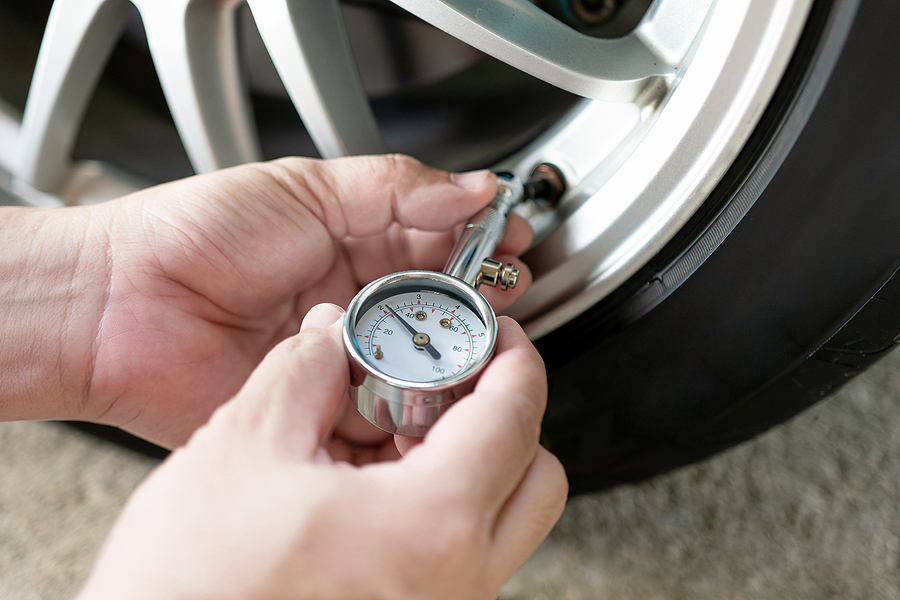
Proper tire inflation is vital for safe driving through the fall season. Colder climates can also cause tires to lose air pressure, making it important to routinely check your tire pressure. Before fall turns into winter, be sure to have your tire serviced by a licensed mechanic. Have your tires changed at the tread is low and have them rotated and balanced for optimal performance and fuel efficiency.

Car Battery

Car batteries are known to encounter problems as the outdoor temperatures drop for the Autumn season. Be sure that your automotive battery is an optimal condition. Also, be sure that your vehicle is equipped with jumper cables and additional emergency roadside assistance supplies in the case of your car battery dies while out on the road.

Automotive Fluids

All vehicles, regardless of make or model, require 7 vital automotive fluids. These include transmission fluid, brake fluid, power steering fluid, radiator fluid (also known as coolant or antifreeze), battery fluid, windshield wiper fluid, and of course motor oil. Bring your vehicle into your local Carmel Indiana auto shop to have all fluids topped off and refilled as needed.

You might want to also consider keeping an extra bottle of coolant and motor oil in the trunk in the case of an overheating car engine. Depending on the type of battery you have, you may not require battery fluid. Sometimes battery cells are required to be topped off with water. This is more common in older vehicles.

Headlights

Before the foggy and hazy fall and winter days approach, be sure your headlights are cleaned up and shining bright for optimal road safety and driving control. Be sure to have any lamps changed if any of your headlights or taillights are burnt out.

Windshield Wipers

Not only do you want to ensure that your when should wiper fluid is topped off and ready for the fall season, but you also want to ensure that your windshield wipers are in good condition. It is important to switch at you when chilled wipers annually to ensure optimal performance and water runoff clearance. You need to prepare for flurries and snowstorms, even in the Fall.

Do you own a European vehicle that requires some routine car maintenance in Indianapolis? Contact Autohaus Dierolf at 317-571-0800 for superior factory scheduled maintenance in Carmel, Indiana.

You Should Also Read:

When Do I Need to Change the Fluids in My Car?
Factory Recommended Maintenance for Car Brakes
How to Correct an Overheating Car Engine

European Automotive Repair Carmel
European Automotive Repair Carmel Indiana 317-577-0800

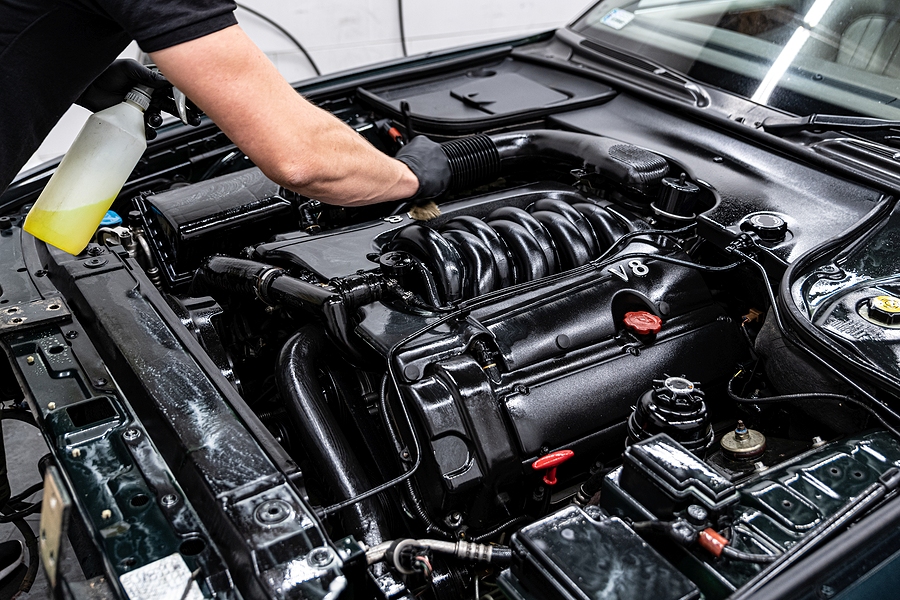
Fundamental Tips for Cleaning a Car Engine

Car maintenance is crucial in order to maintain the performance value of your vehicle.  Cleaning out your car’s engine regularly is one way to ensure a longer life for your ride.  Continue reading to learn the basic DIY method to engine cleaning and where you can go for professional help, assistance, and advice, as well.

European Car Engine Repair Carmel Indiana
European Car Engine Repair and Service – Carmel Indiana 317-571-0800

Engine Cleaning Preparation

The first thing you want to do before you begin is find a safe spot to clean your car. This means finding an area where the soap, water, and dirt can run off your car without causing damage or danger. Always be sure it’s far away from storm drains as to not contaminate them. Have a spot prepared ahead of time where you can dump the sludge afterward without harming the environment or making a mess.

Next, you want to turn your car on and let it run for a few minutes, especially if it’s excessively dirty. Be sure to not let your engine get too hot, or you will not be able to touch it without getting burned. Once your engine is heat up, turn your car back off and remove the car keys from the ignition for extra safety.

Time to Get Your Hands Dirty

The next step involves hands-on engine work. First, disconnect the negative cable on the battery. Then do the same for the positive cable. Be sure to always do the negative cable first, and then proceed to the positive one.  Next, cover all electrical components with tarp or plastic bags, to avoid getting water in places that can damage your vehicle.

You are now ready to start wiping down the surface of the engine to remove all the loose debris and accumulation. It is suggested to use a stiff paint brush because the bristles are very effective at removing this type of dirt. 

Use a grease cutting dish soap and water solution to use as your cleaning agent for the engine. Begin to apply the solution to the surfaces of the engine with the paint brush or sponge. In the tougher areas, you may have to use an actual engine de-greaser solvent if the soapy water is not effective enough. You can purchase these products at your local automotive accessory shop.

Rinse and Dry

It is time to rinse the engine off at this point, so use light water pressure to accomplish this, such as a garden hose or spray gun. You have to allow the engine to dry completely, so let it sit for a few hours. Drying times vary, and could possibly take up to 24 hours to dry entirely. Turning a wet engine on is detrimental to your engine and car. Once it is dried, you can remove the plastic coverings and begin driving again!

Does your car engine need some professional attention? Contact Autohaus Dierolf at 317-571-0800 for specialty automotive engine repair service in Carmel, Indiana. We are German factory trained mechanics who specialize in European auto service. Request a free estimate, anytime.

You Should Also Read:

How to Correct an Overheating Car Engine
Routine Automotive Services Recommended Just for European Vehicles
Transmission Repair Solutions for European Car Owners

European Automotive Repair Carmel
European Automotive Repair Carmel Indiana 317-577-0800

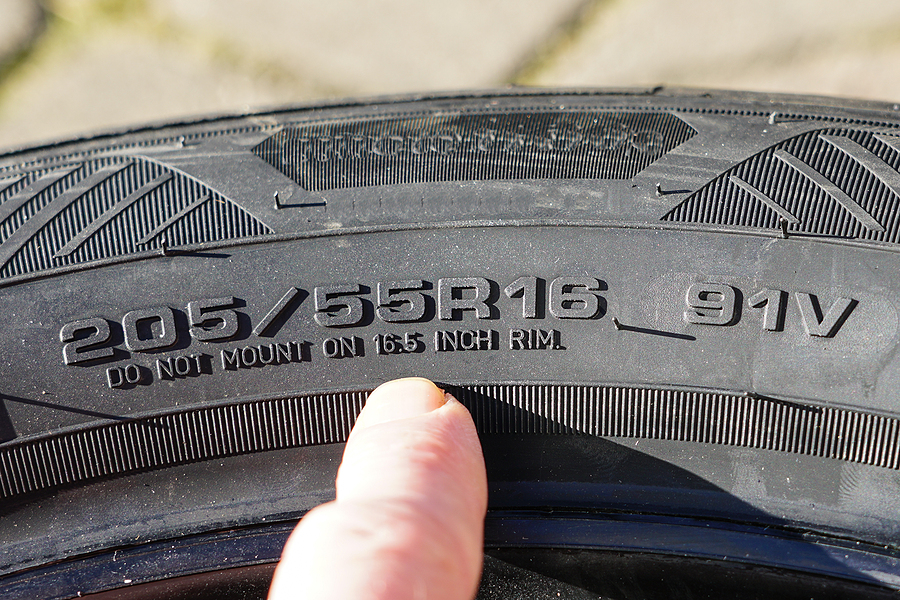
How Does Tire Width Affect Gas Mileage in Cars?

Today, everyone is looking for the answer to better gas mileage.  Vehicle owners and drivers are on a constant hunt for secrets, miracle cures, rises in the economy, and blatant luck to reduce gas mileage, prices, and fuel consumption. There are several reasons why vehicles can get good or bad gas mileage. There are so many factors that affect this area of concern; however, there is one variable that is hardly discussed but highly influential when it comes to fuel mileage.  This variable is tire width.  Tires have a large influence on how a car or truck operates on the road.

Continue reading to learn how tire size can affect fuel economy and gas mileage on the road.

Fuel System Repair Carmel Indianapolis
Fuel System Repair and Car Maintenance Carmel, Indiana 317-571-0800

The 101 on Gas Mileage and Tire Care

There are two things to consider when thinking about tires and their effect on gas mileage; one is wind resistance, and the other is rolling resistance. When a car is driving at higher speeds, it experiences higher wind resistance; this means lower fuel economy. Rolling resistance is the impact the road has on the tires, and how it affects drivability. If you change the features (size and width) of your tires, it will then influence the interaction it has with the road, thus affecting the gas mileage. This is where tire width can begin to influence gas mileage.

Tire Size and Width Influences Gas Mileage

Many people believe by changing the height of a car’s tires, they can increase its fuel economy. This is not a reliable idea. You see, speedometers are specifically calibrated to the number of revolutions a set of tires makes per mile while driving.  If the original set of tires is replaced, the calibration will be off and changes in fuel economy will be blurred.  Shorter tires will calculate at higher gas mileage because they will make so many more revolutions per mile. This negatively affects fuel consumption because it makes the car’s engine work at a higher rpm to achieve the same speeds. Taller tires will do just the opposite while still offering an inaccurate reading.

Tire Width versus Gas Mileage

Tire width is one of the only tire size factors that can influence gas mileage in a positive way. For example, a narrow tire will have less wind resistance, rolling resistance, and weight, thus, increasing gas mileage. If choosing a narrower tire, be aware that they can make the car’s handling characteristics more difficult to control. It is best to always install the proper size tires for your particular vehicle.  A professional tire tech or mechanic will have no problem helping you figure this out. Also, keeping your tires fully inflated can improve gas mileage.

Do you need fuel system repair or factory scheduled maintenance for a European car in Carmel, Indianapolis, IN? Contact Autohaus Dierolf at 317-571-0800 for the best deals around town!

More Reads to Check Out:

Top 5 Car Parts Affected By Cold Weather
How to Start the New Year With Better Fuel Mileage
Routine Automotive Services Recommended Just for European Vehicles

European Automotive Repair Carmel
European Automotive Repair Carmel Indiana 317-577-0800

How to Correct an Overheating Car Engine

The first rule to know is never drive an overheating vehicle under any circumstances. Not only is this dangerous to your safety and others, but it can also further damage the vehicle’s engine even more.  This obviously leads to more expensive car repair bills and a longer stay at the mechanic.  When a car does begin to show certain signs that it may be in distress, immediately act.  The sooner you acknowledge a problem with your ride, the better the chances are for an easier and cheaper repair. 

Continue reading to learn the basic instructions for what to do when your car engine overheats on the road while driving.

European Car Engine Repair Carmel Indianapolis
European Car Engine Repair and Service Carmel, Indiana

If Your Car Engine Begins to Overheat, Do This:

Pull the Car Over Immediately

As soon as you are aware that there is a problem with your car’s engine, pull to the side of the road and come to a complete stop.  Put your car into park, turn the engine off, and remove your car keys from the ignition (Be sure to keep your keys on you so you do not get locked out of your vehicle).  Certain clues that suggest your car engine is problematic or is overheating include smoke coming from the hood, engine temperature gauge reading is in the red, strange or loud noises, or smelling gasoline.  Any of these signs, and more, is signs that your car is in distress. If you absolutely must continue driving, allow the engine to cool completely, and then drive only short distances until you reach your destination.

Call a LICENSED Mechanic

Many people want to call a tow truck or a friend to get their car to a repair garage.  The better choice, however, is to just call a mechanic first because they usually offer free towing and vehicle pickups for paying customers.  This way, you avoid having to pay extra money for a tow truck and can take advantage of an all-inclusive deal.  If a car is overheating, it needs to be inspected and serviced by a licensed mechanic as soon as possible.  The longer the engine sits without a repair, the longer you will go without the use of a working vehicle!  Be sure to use a licensed and reputable car repair shop.  Look at company credentials and see if they offer any specials or coupons for car repair and service.

Explain How Your Engine Overheats

Once a mechanic is contacted, it is time to explain to them the situation. To do this, think about the style of driving you are doing when it starts to overheat. Is the car in an idle mode, such as sitting in traffic, when it overheats? Or does it overheat while exceeding certain speeds during interstate or highway driving? These clues can help a mechanic better diagnose the engine problem, making for a shorter stay at the shop.

European and German Car Engine Repair Services in Carmel, Indianapolis

Call Autohaus Dierolf at 317-571-0800 for European car engine repair in Carmel, Indianapolis. We are German factory-trained automotive mechanics who specialize solely in European and British car repair.  You can speak with a licensed mechanic about your overheating car engine and get free estimates on our services and repairs. No matter what make and model your vehicle is our highly trained and certified auto repair mechanics can repair or service it with professional care.v

European Automotive Repair Carmel
European Automotive Repair Carmel Indiana 317-577-0800